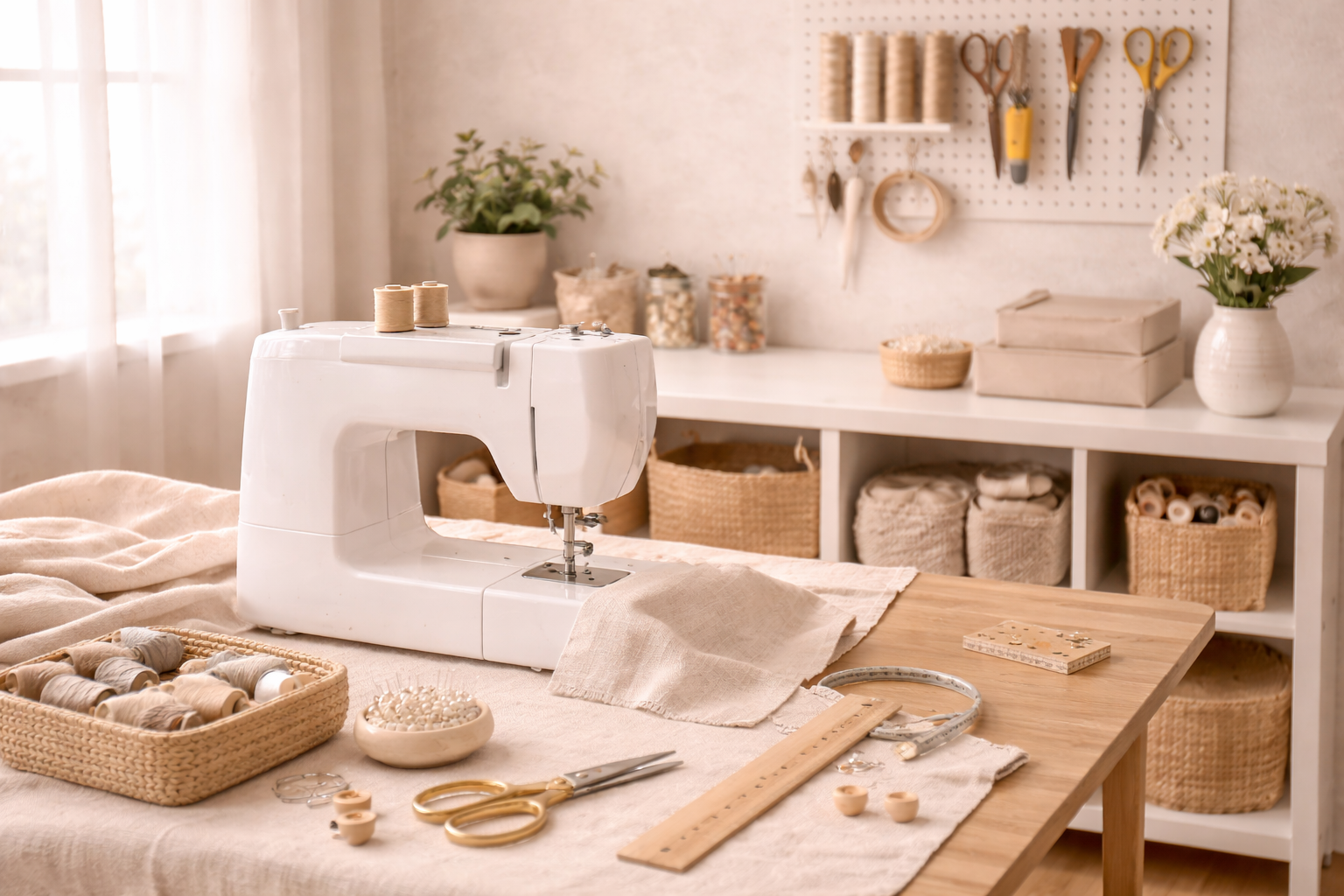
Starting sewing can feel overwhelming—especially when you see long lists of tools that make it seem like you need everything before you begin.
The truth is, you don’t need a fully stocked studio. You just need the right tools to get started confidently.
This guide will walk you through exactly what you need, what you can skip, and how to build a simple toolkit that actually works.
The Essential Sewing Tools Every Beginner Needs
Let’s start with the basics—the tools that will make the biggest difference in your results.
1. Sewing Machine
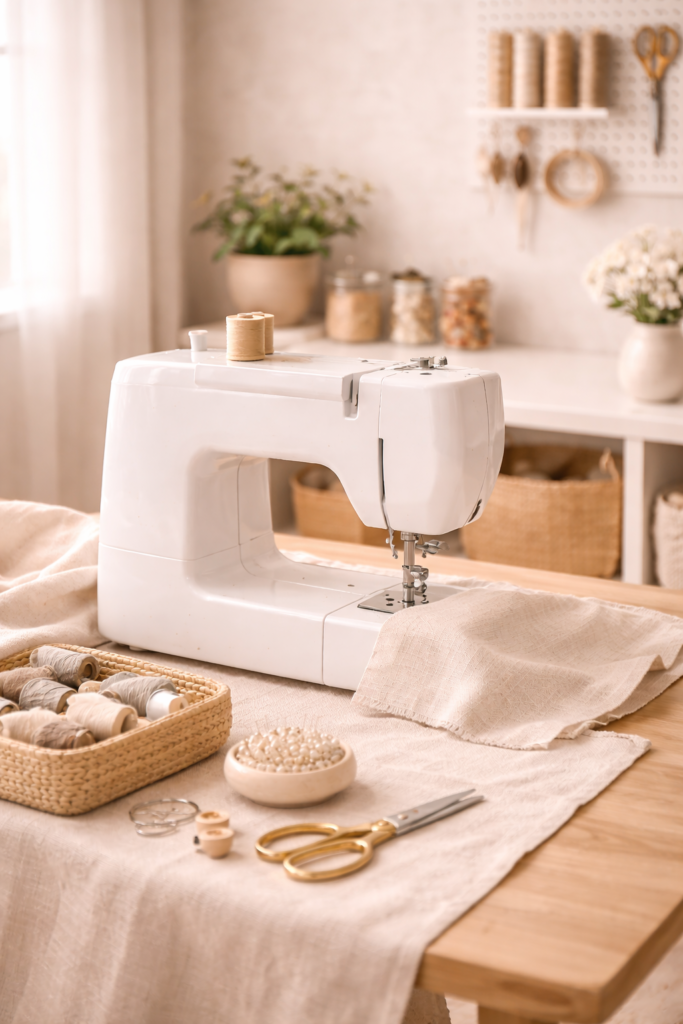
Your sewing machine is the foundation of everything you create.
- Choose a beginner-friendly model
- Look for simple stitch options
- Avoid overly complex machines
👉 Recommended machine: Shop sewing machine
Pro Tip: Practice stitching on scrap fabric before starting your project.
2. Fabric Scissors
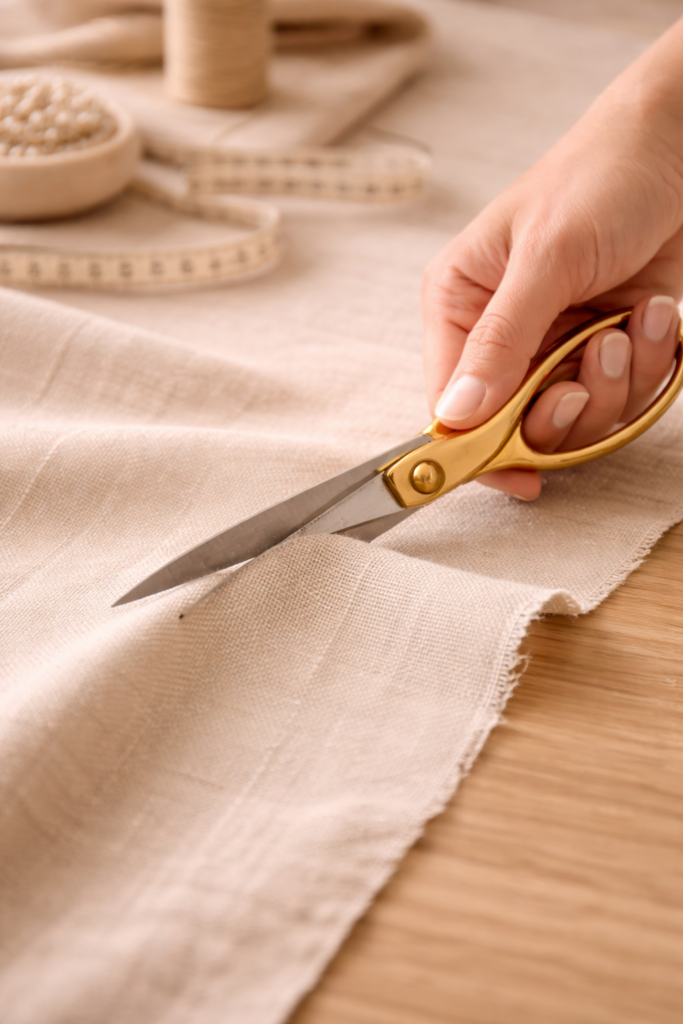
Fabric scissors are one of the most important tools you’ll own.
- Ensure clean, precise cuts
- Prevent frayed edges
- Improve overall sewing quality
Important: Never use fabric scissors for paper.
3. Measuring Tape
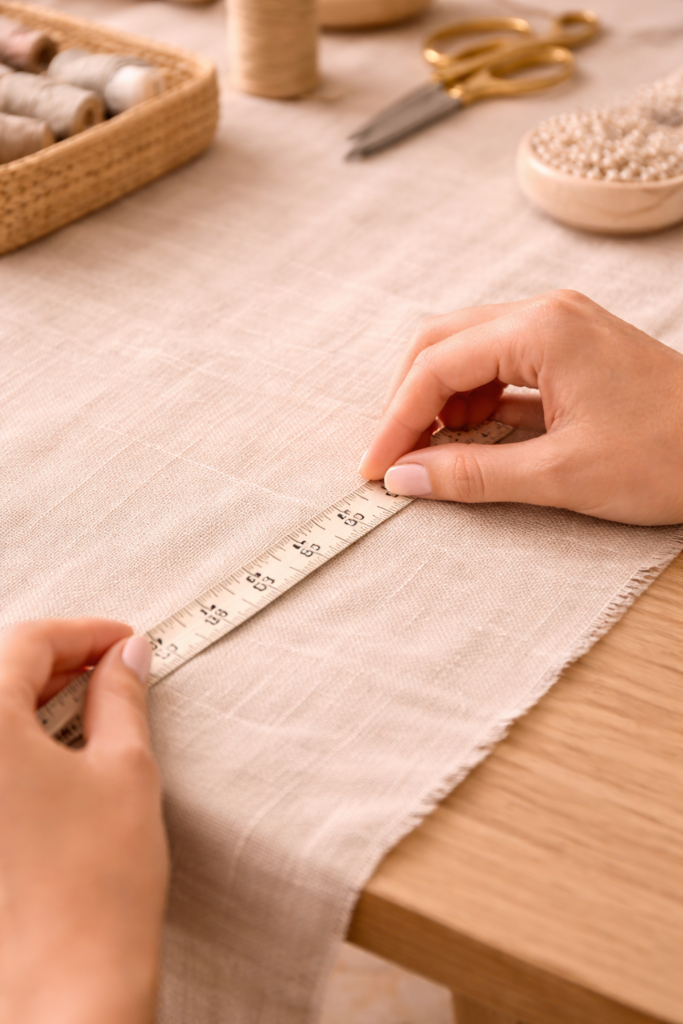
Accurate measurements are essential for a good fit.
- Use flexible measuring tape
- Measure before cutting
- Follow pattern sizing
4. Pins and Seam Ripper
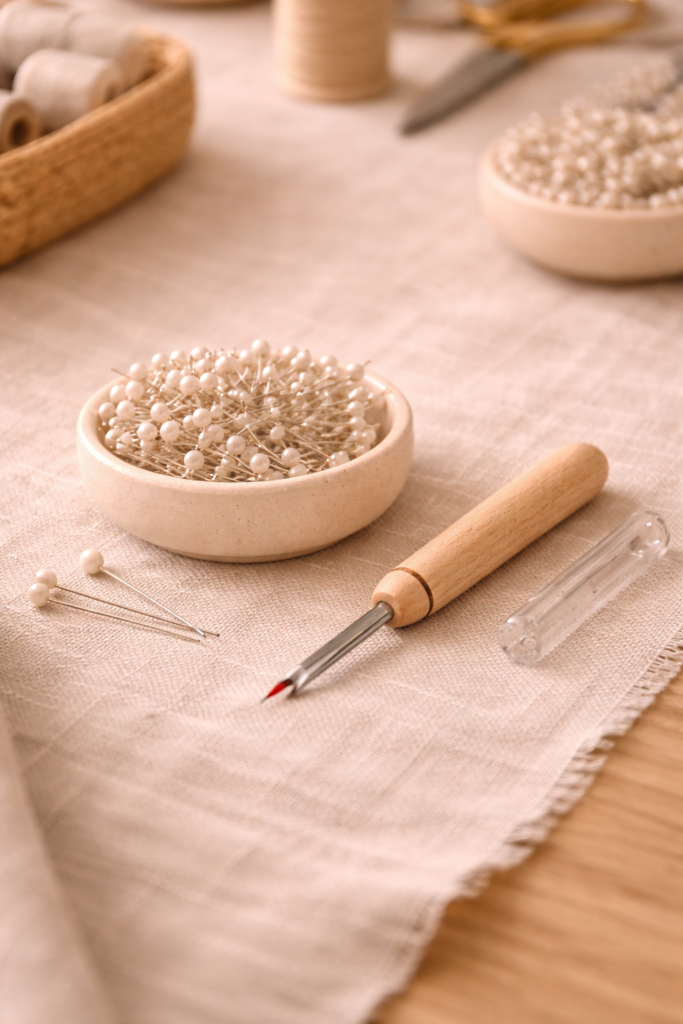
These tools help you maintain control and fix mistakes.
- Pins hold fabric in place
- Seam rippers remove stitches cleanly
👉 Get both here: Shop dressmaking kit
5. Thread
Thread might seem simple, but it plays a big role in your results.
- Use quality thread
- Match thread color to fabric
- Avoid cheap thread that breaks easily
Tools That Make Sewing Easier (Optional but Helpful)
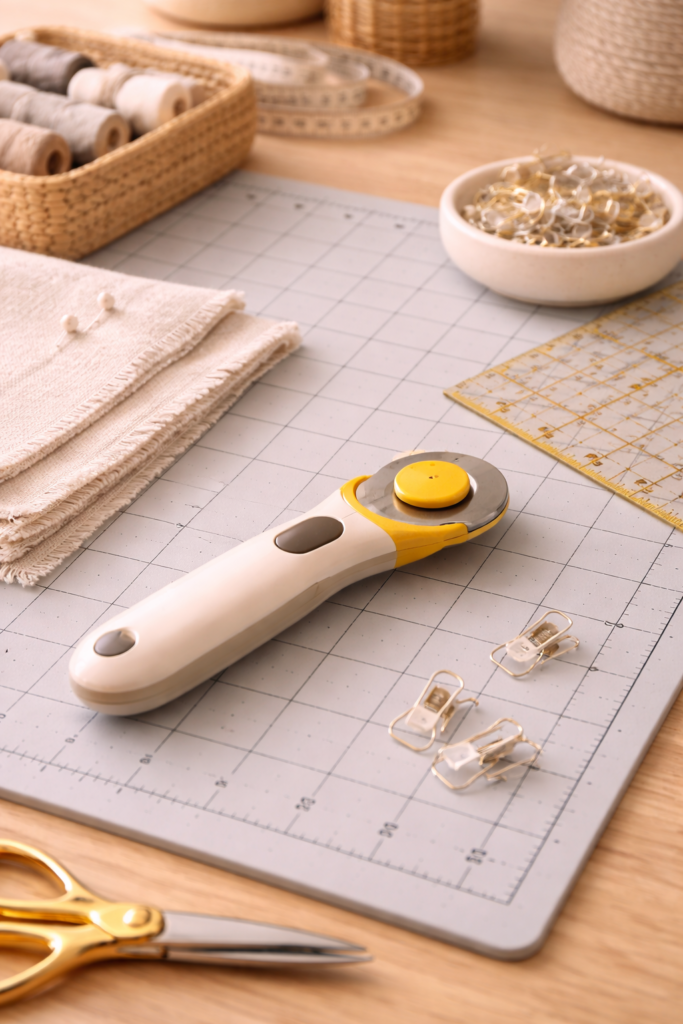
Once you’re comfortable, these tools can improve your workflow.
- Rotary cutter for faster cutting
- Cutting mat for protection
- Pattern weights for stability
Tools You Don’t Need Right Away
Don’t waste money on tools you won’t use yet.
- Advanced presser feet
- Expensive cutting machines
- Specialty rulers
Focus on mastering the basics first.
How to Build Your Sewing Toolkit Over Time
You don’t need everything at once.
- Start with essentials
- Add tools as your skills grow
- Invest in quality over quantity
This approach saves money and keeps your setup simple.
Common Beginner Tool Mistakes
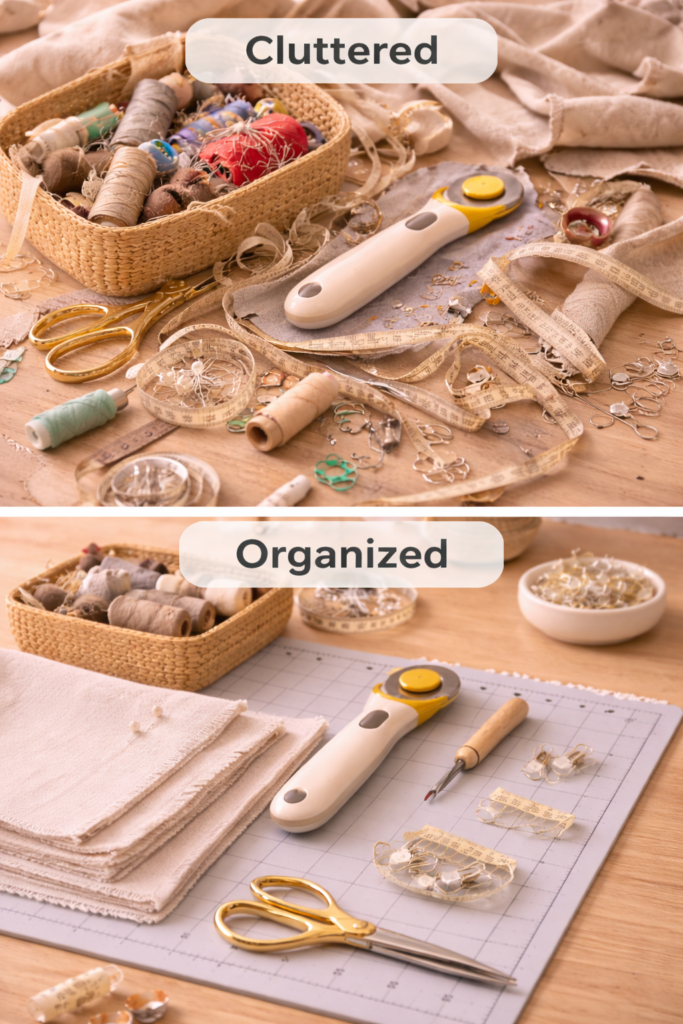
Buying too many tools too early
Stick to essentials first.
Using low-quality tools
Cheap tools often create more problems.
Not maintaining tools
Keep scissors sharp and machines clean.
Pro Tips for Better Results
- Keep your tools organized
- Replace needles regularly
- Use the right tool for each task
- Maintain your sewing machine
Final Thoughts
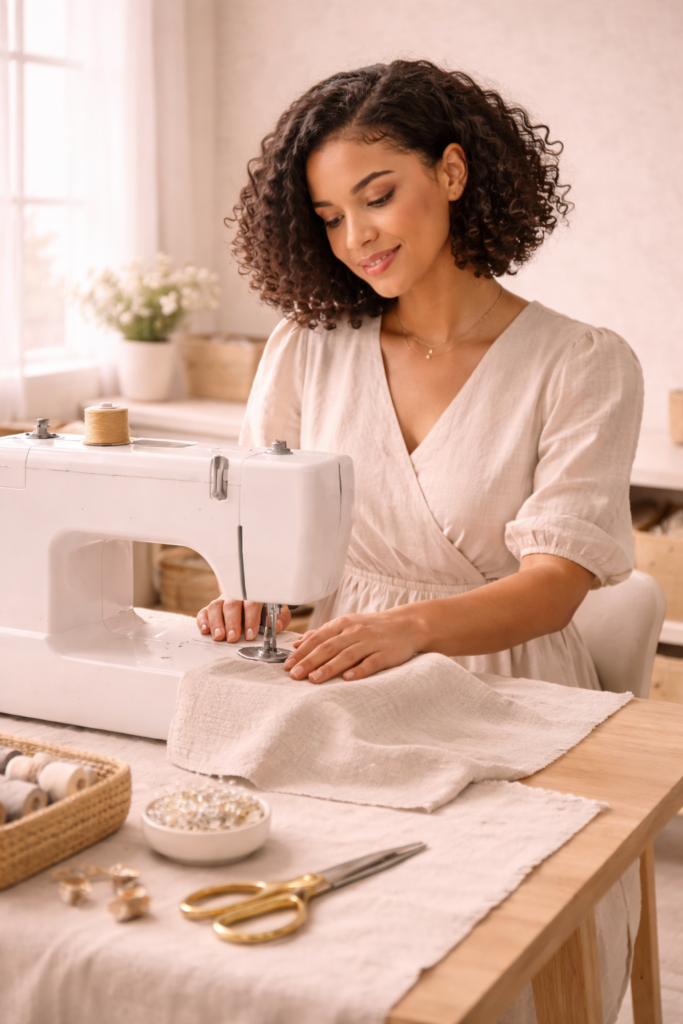
Sewing doesn’t require a massive investment—it requires the right foundation.
With a few essential tools and consistent practice, you can start creating pieces that feel polished and intentional.
Start simple, build over time, and enjoy the process.
Affiliate Disclosure: This post may contain affiliate links. If you purchase through these links, we may earn a small commission at no extra cost to you.
Leave a Reply