Author: MTBM

  • One Dress, 5 Ways: How to Style a Modest Dress

    One Dress, 5 Ways: How to Style a Modest Dress

    If you’ve ever felt like you need more clothes to create more outfits, here’s the truth: you don’t.

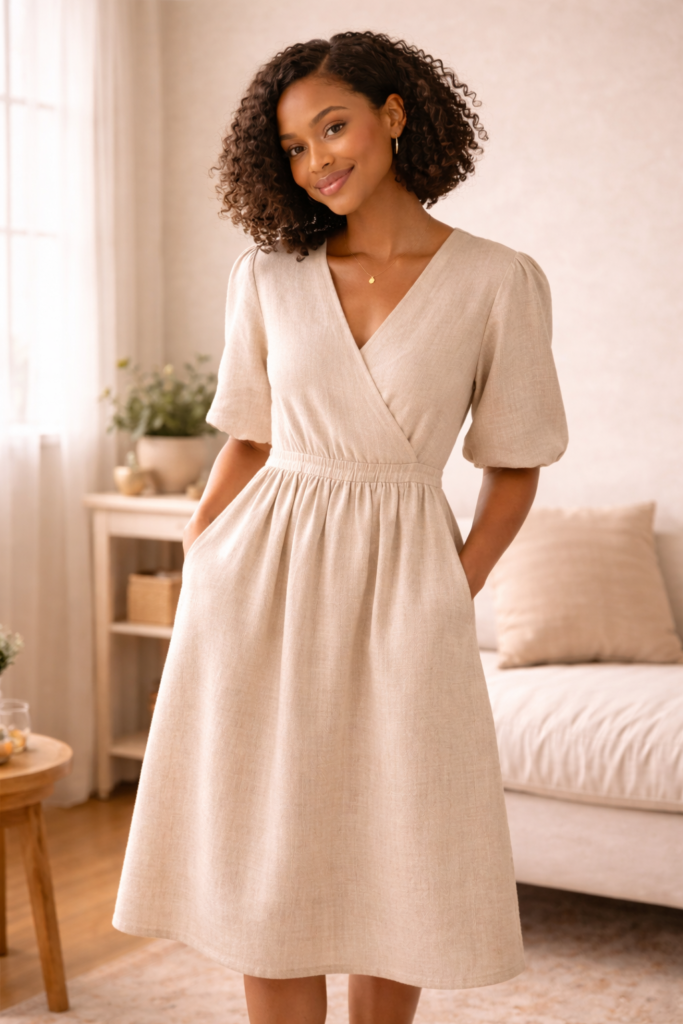
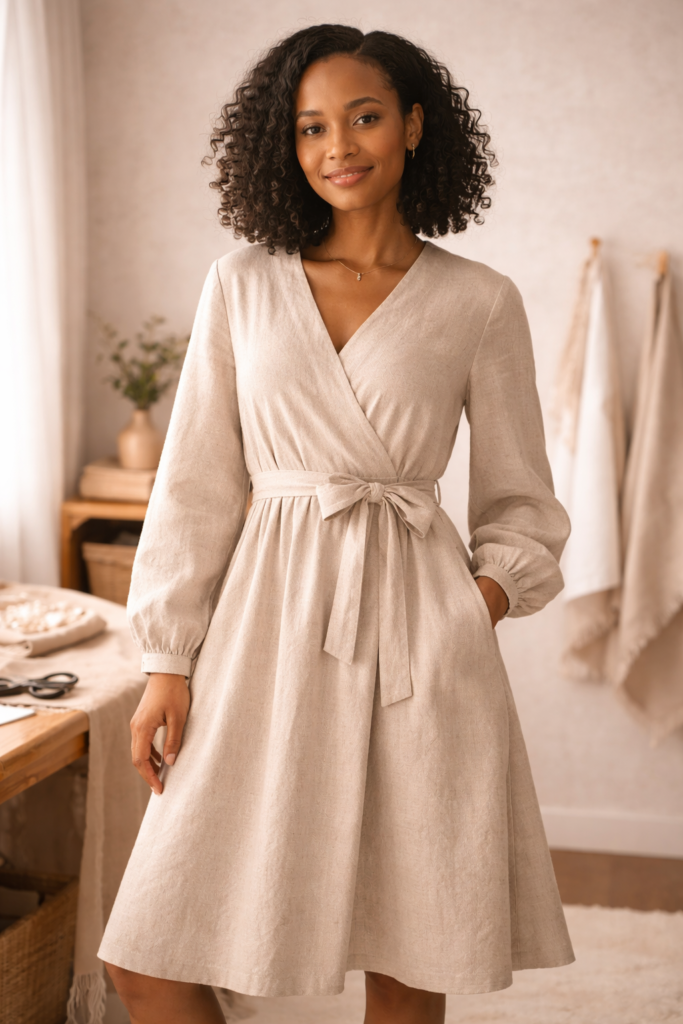
    One well-made modest dress can become the foundation of an entire wardrobe — if you know how to style it correctly.

    In this guide, you’ll learn how to take a single modest dress and transform it into five completely different looks using simple styling techniques. This is how you maximize your wardrobe, save money, and still look polished in every setting.


    Why One Dress Is All You Need

    A thoughtfully designed modest dress is one of the most versatile pieces you can own.

    With the right styling, it can transition across:

    • Casual everyday wear
    • Work or professional settings
    • Church or formal occasions
    • Travel and errands
    • Layered seasonal looks

    Key idea:
    Versatility isn’t about having more — it’s about using what you already have better.


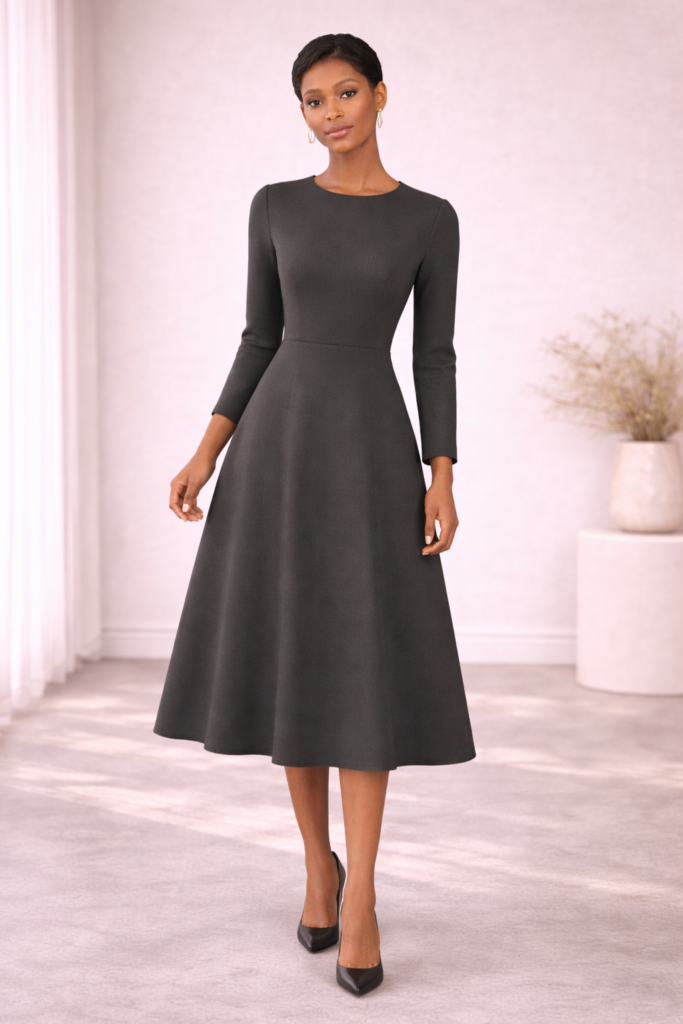
    The Base Dress (Start Here)
    One Dress, 5 Ways: How to Style a Modest Dress

    For best results, choose a dress with:

    • Neutral color (black, beige, navy, soft brown)
    • Clean silhouette (A-line, maxi, or shift)
    • Minimal design (easy to build on)
    • Midi or maxi length

    This becomes your core piece that everything else builds around.


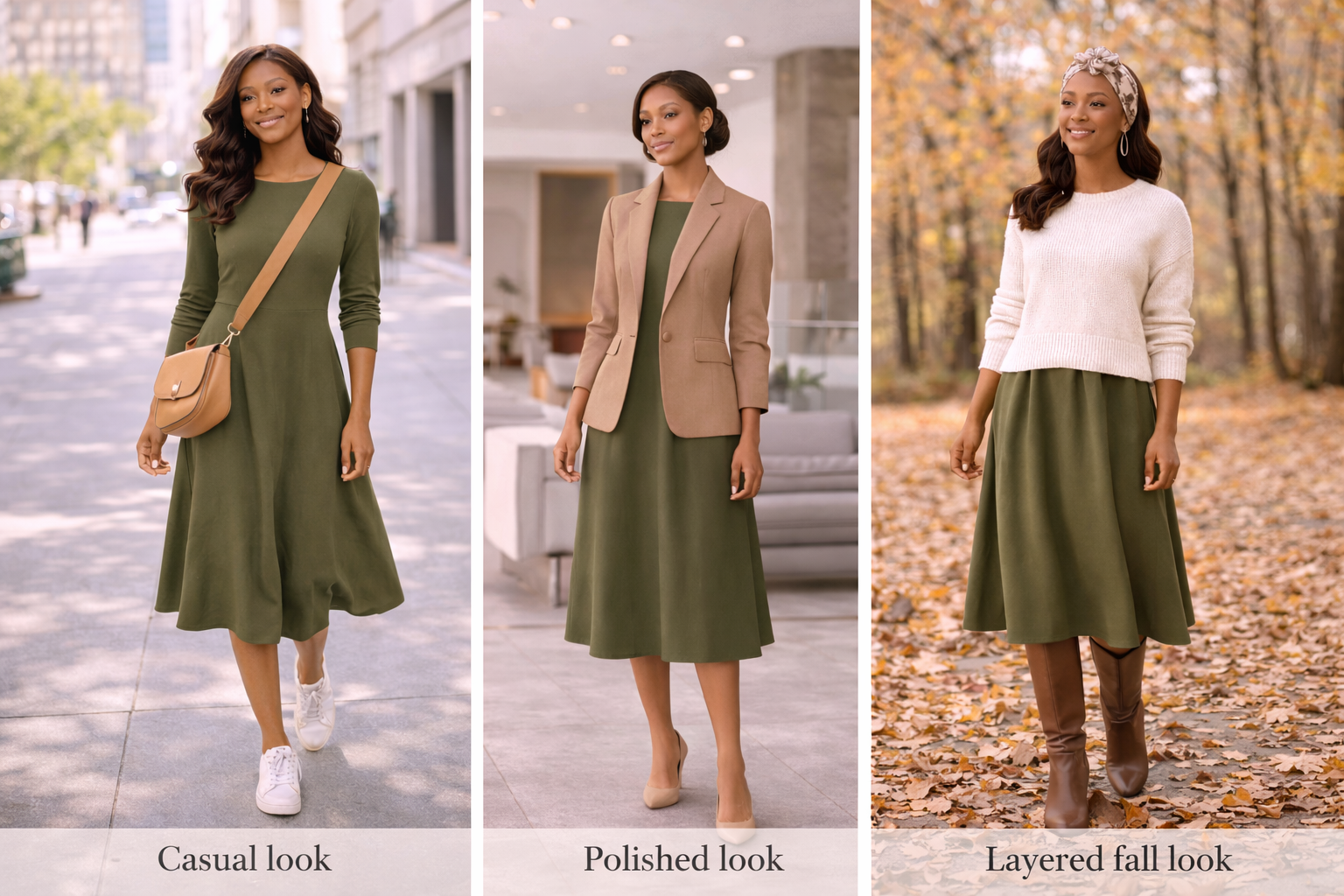
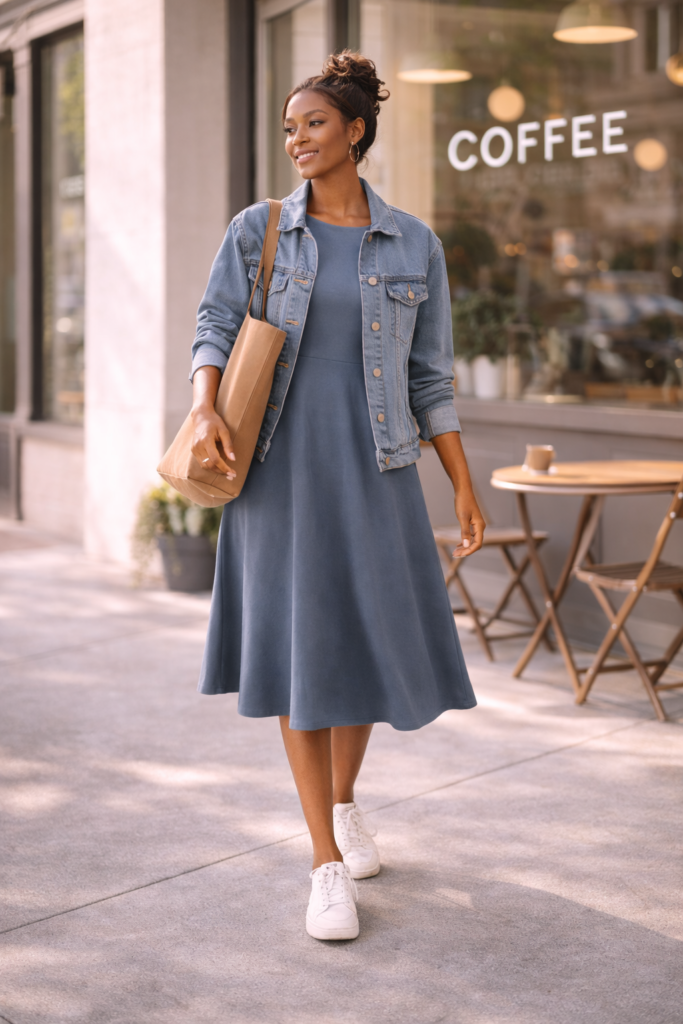
    Look 1: Casual Everyday
    One Dress, 5 Ways: How to Style a Modest Dress

    Keep it simple, comfortable, and effortless.

    Style it with:

    • Flat sandals or sneakers
    • Minimal jewelry
    • Crossbody bag
    • Natural hair or simple headwrap

    Result:
    A relaxed look that still feels intentional and put together.


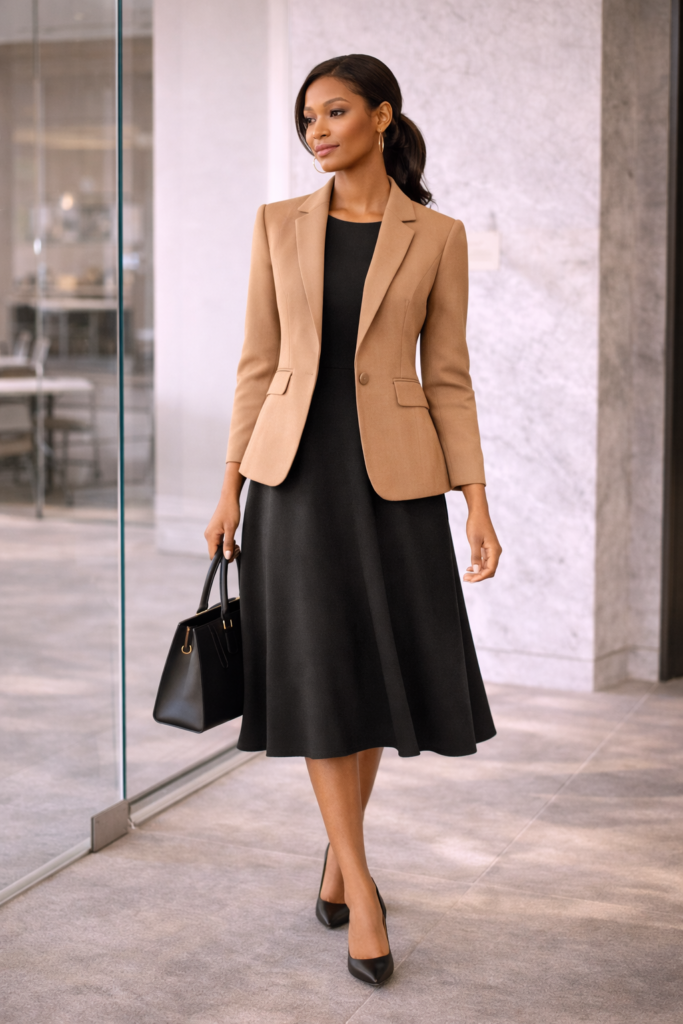
    Look 2: Workwear / Polished
    One Dress, 5 Ways: How to Style a Modest Dress

    Elevate the same dress for a more structured setting.

    Style it with:

    • Lightweight blazer or structured cardigan
    • Closed-toe flats or low heels
    • Structured handbag
    • Simple watch or stud earrings

    Result:
    Professional, clean, and refined without feeling overdone.


    Look 3: Church or Formal
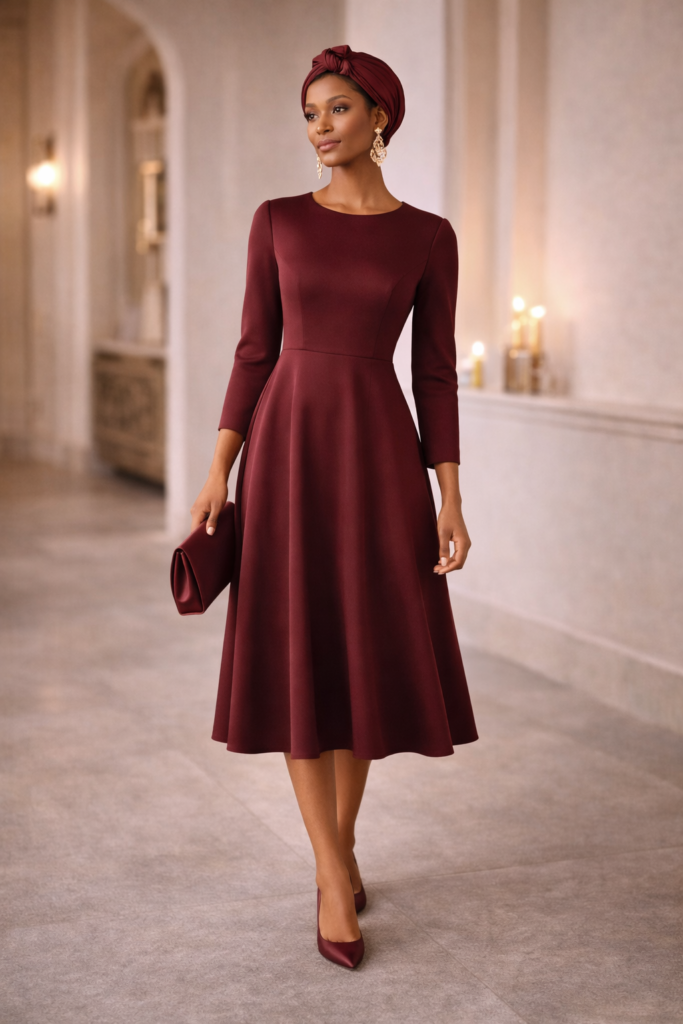
    This look leans into elegance and modest sophistication.

    Style it with:

    • Heeled shoes or elegant flats
    • Statement accessory (necklace or earrings)
    • Structured outer layer or shawl
    • Coordinated bag

    Result:
    Graceful and elevated with minimal effort.


    Look 4: Travel / Errands
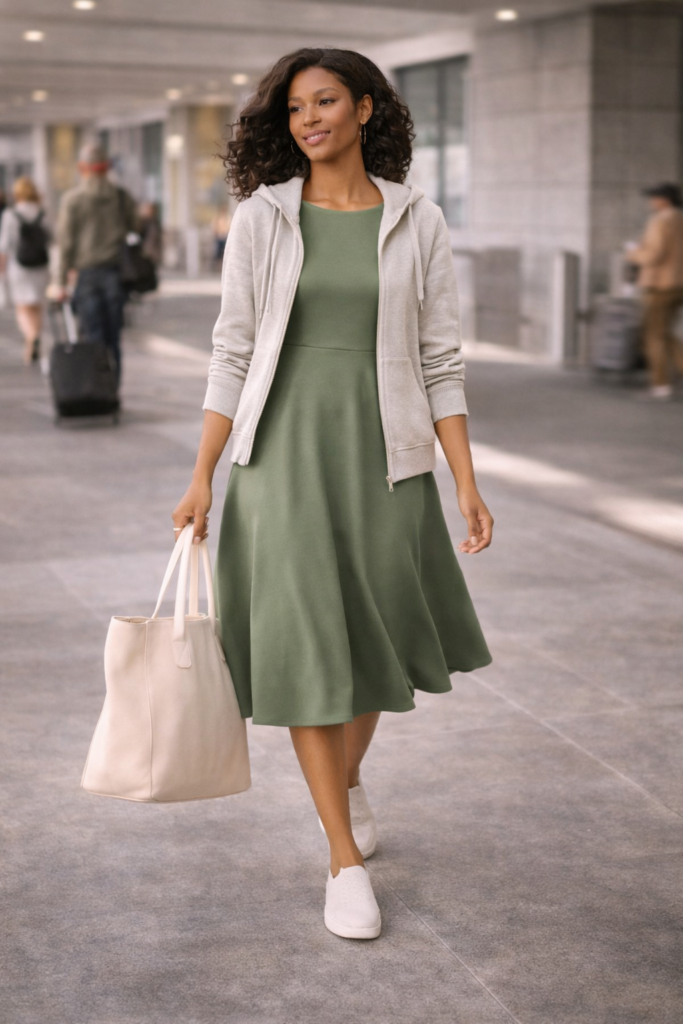
    Comfort meets function while still looking styled.

    Style it with:

    • Comfortable sneakers or slip-ons
    • Denim jacket or lightweight layer
    • Tote bag
    • Minimal accessories

    Result:
    Practical, easy to move in, and still polished.


    Look 5: Layered Seasonal (Fall/Winter)
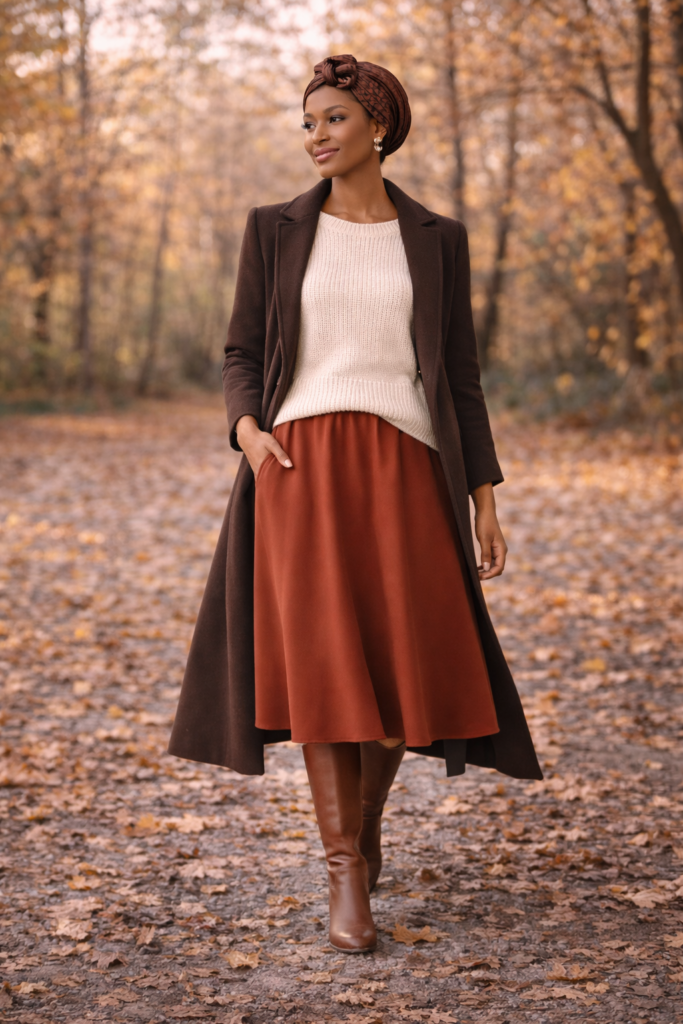
    Extend your dress into cooler seasons.

    Style it with:

    • Knit sweater layered over (turns dress into skirt look)
    • Boots (ankle or knee-high)
    • Coat or long cardigan
    • Scarf or headwrap

    Result:
    Warm, stylish, and completely transformed.


    Key Styling Principles That Make It Work
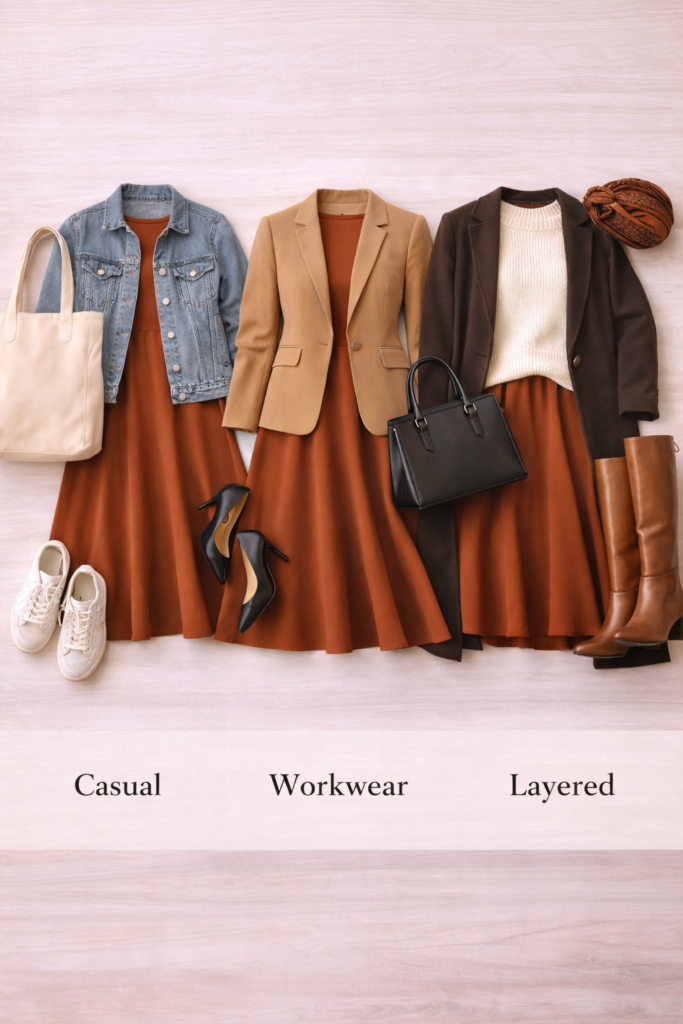
    No matter the look, these principles keep everything cohesive:

    1. Balance the Silhouette

    If the dress is loose, add structure (belt, blazer).
    If it’s structured, keep accessories minimal.

    2. Stick to a Cohesive Color Palette

    Neutral tones make mixing and matching easier.

    3. Layer Intentionally

    Each layer should add purpose — not bulk.

    4. Focus on Proportion

    Keep your outfit visually balanced from top to bottom.


    Common Styling Mistakes to Avoid
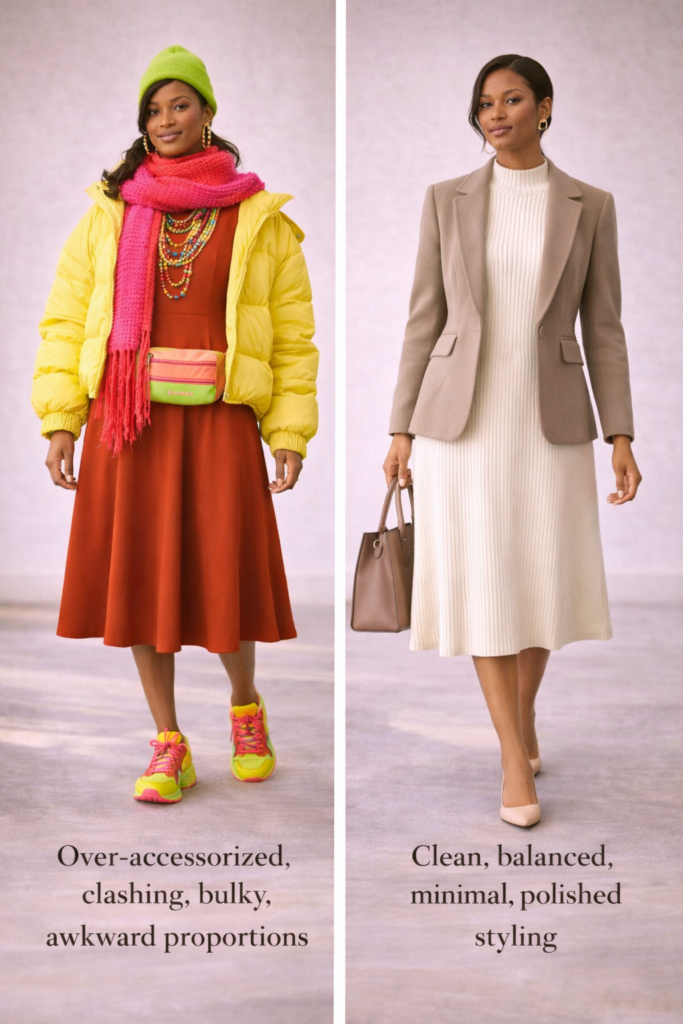
    • Adding too many accessories
    • Mixing too many colors
    • Ignoring proportion
    • Over-layering bulky pieces
    • Choosing the wrong shoes for the look

    Final Takeaway
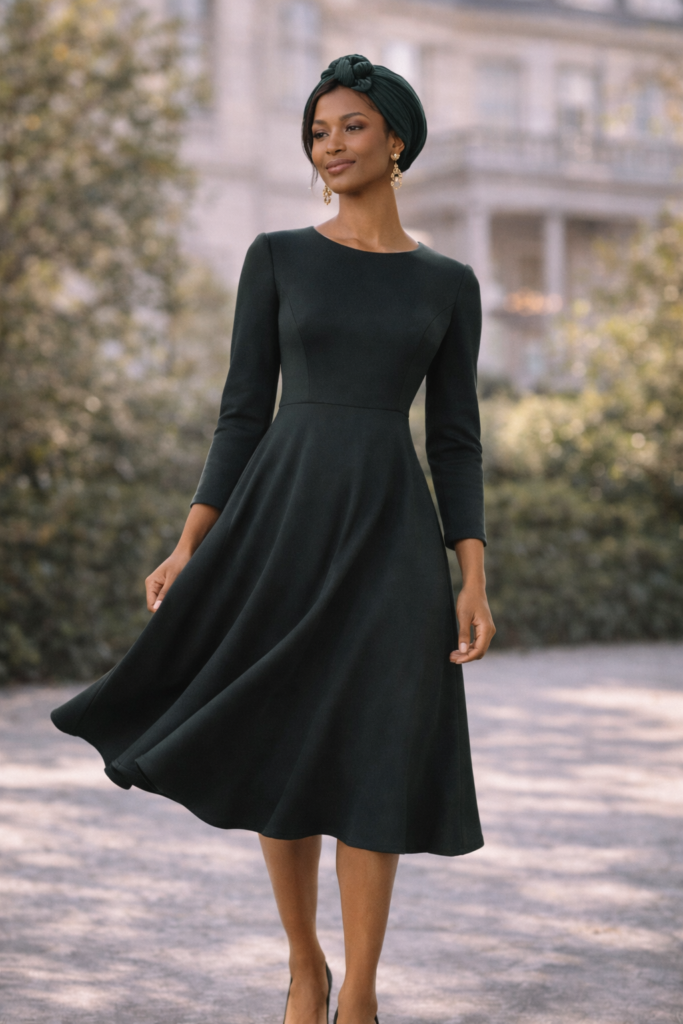
    One Dress, 5 Ways: How to Style a Modest Dress

    You don’t need a closet full of clothes to look put together.

    With one well-chosen modest dress and a few styling adjustments, you can create multiple looks that feel fresh, intentional, and elevated.

    This is how you build a wardrobe that works smarter — not harder.


    Next Step

    Now that you know how to style one dress multiple ways, the next move is avoiding the common mistakes that can make your outfits look less polished — even when the pieces are right.
  • Best Sewing Tools for Beginners (What You Actually Need to Start)

    Best Sewing Tools for Beginners (What You Actually Need to Start)

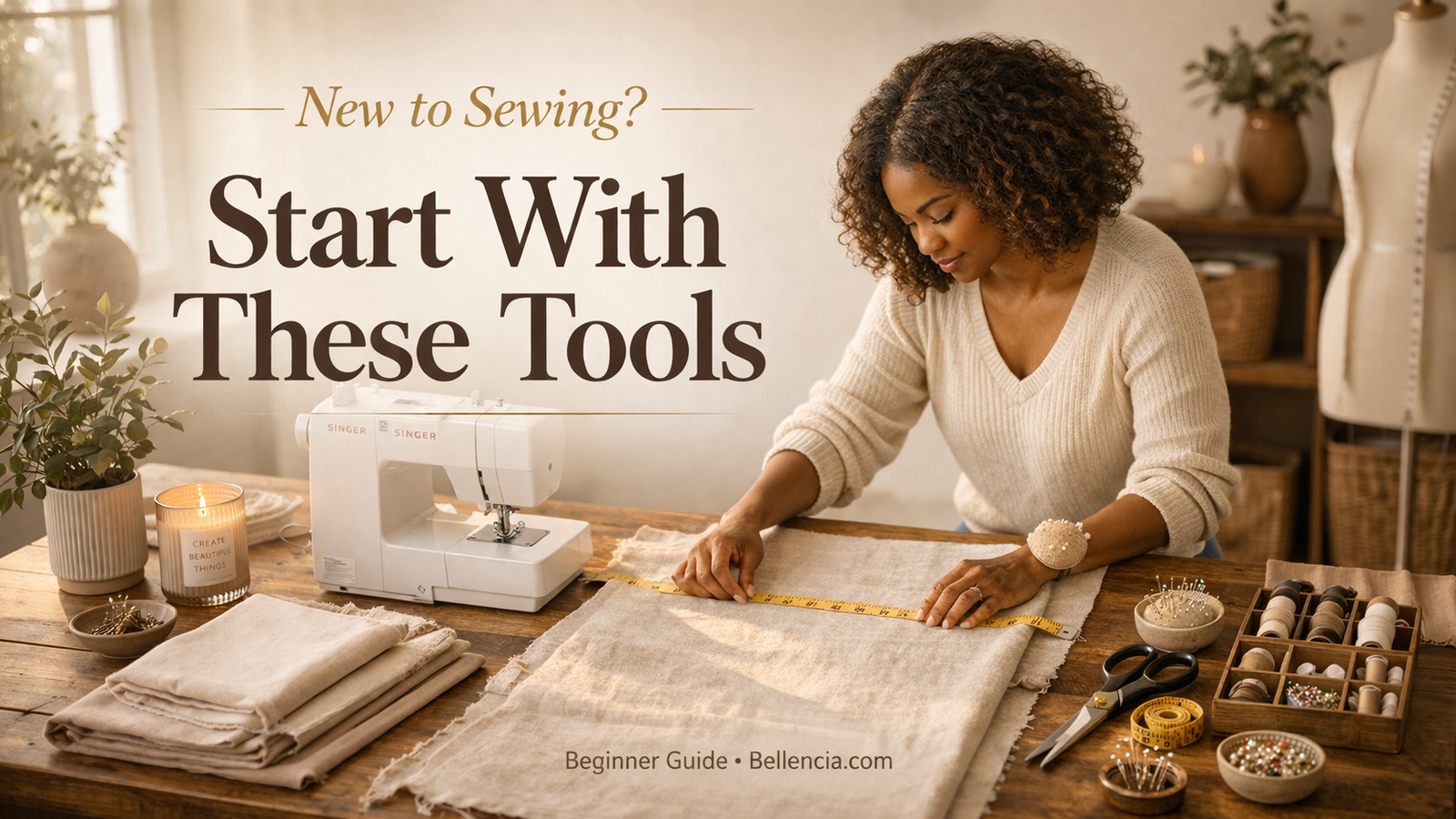
    Starting sewing can feel overwhelming—especially when you see long lists of tools that make it seem like you need everything before you begin.

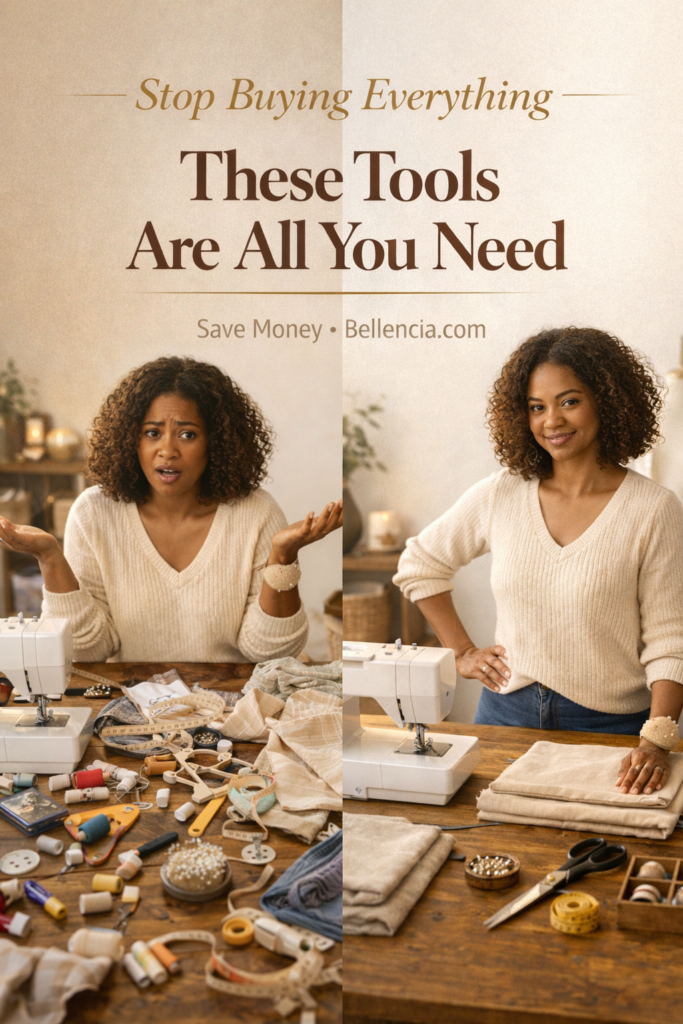
    The truth is, you don’t need a fully stocked studio. You just need the right tools to get started confidently.

    This guide will walk you through exactly what you need, what you can skip, and how to build a simple toolkit that actually works.

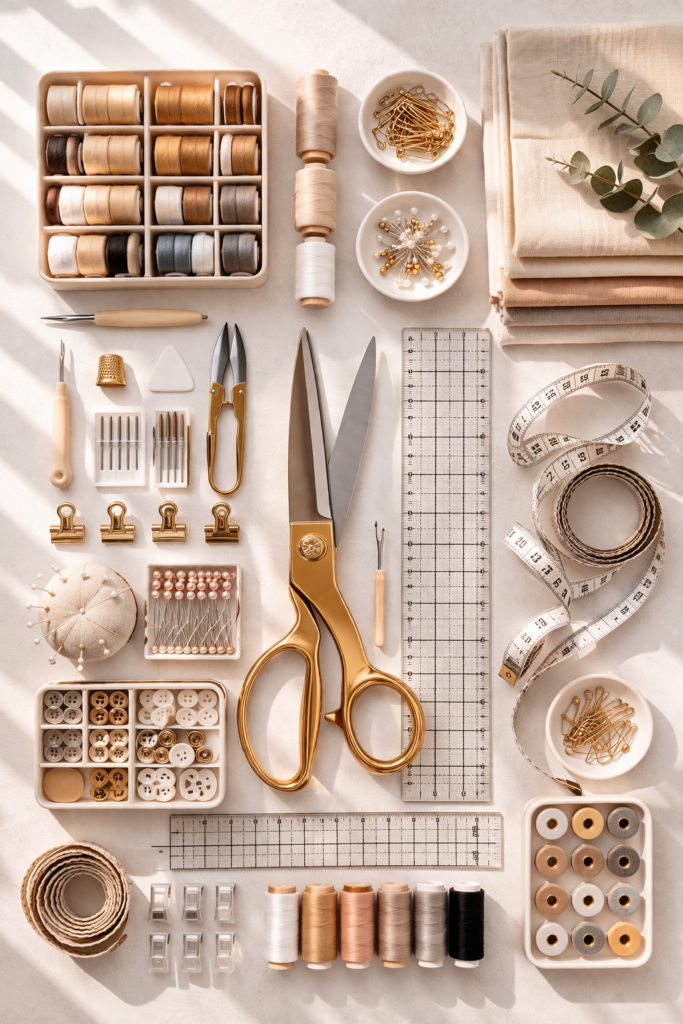
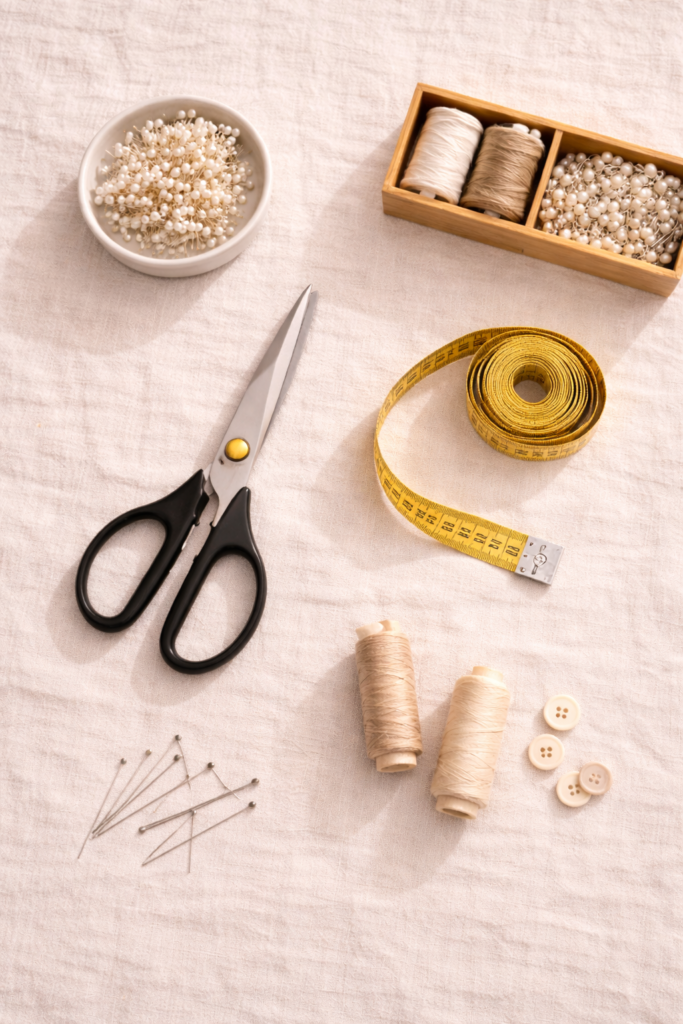
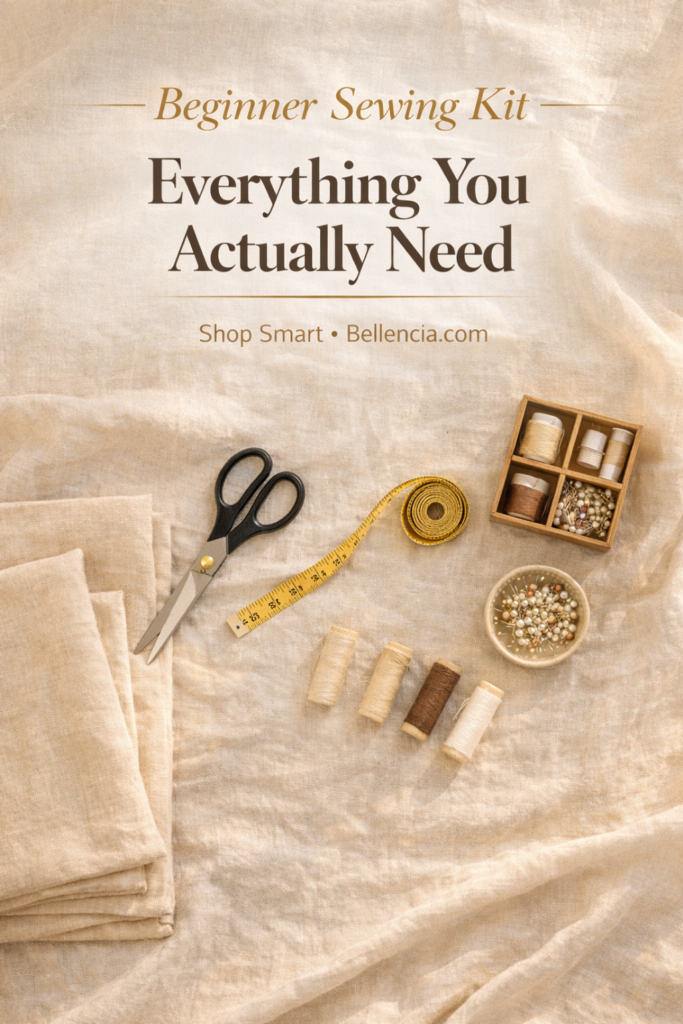
    The Essential Sewing Tools Every Beginner Needs

    Let’s start with the basics—the tools that will make the biggest difference in your results.

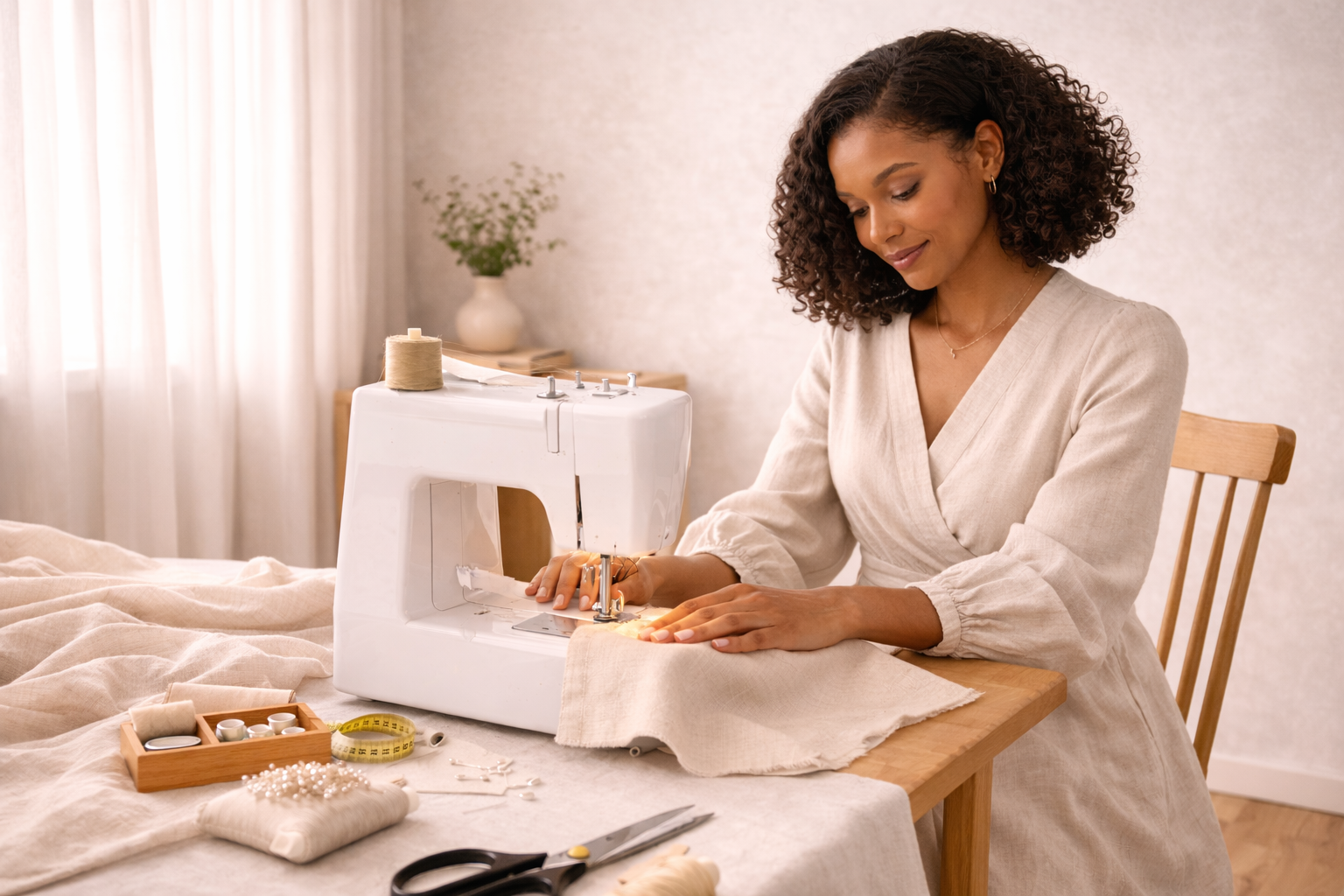
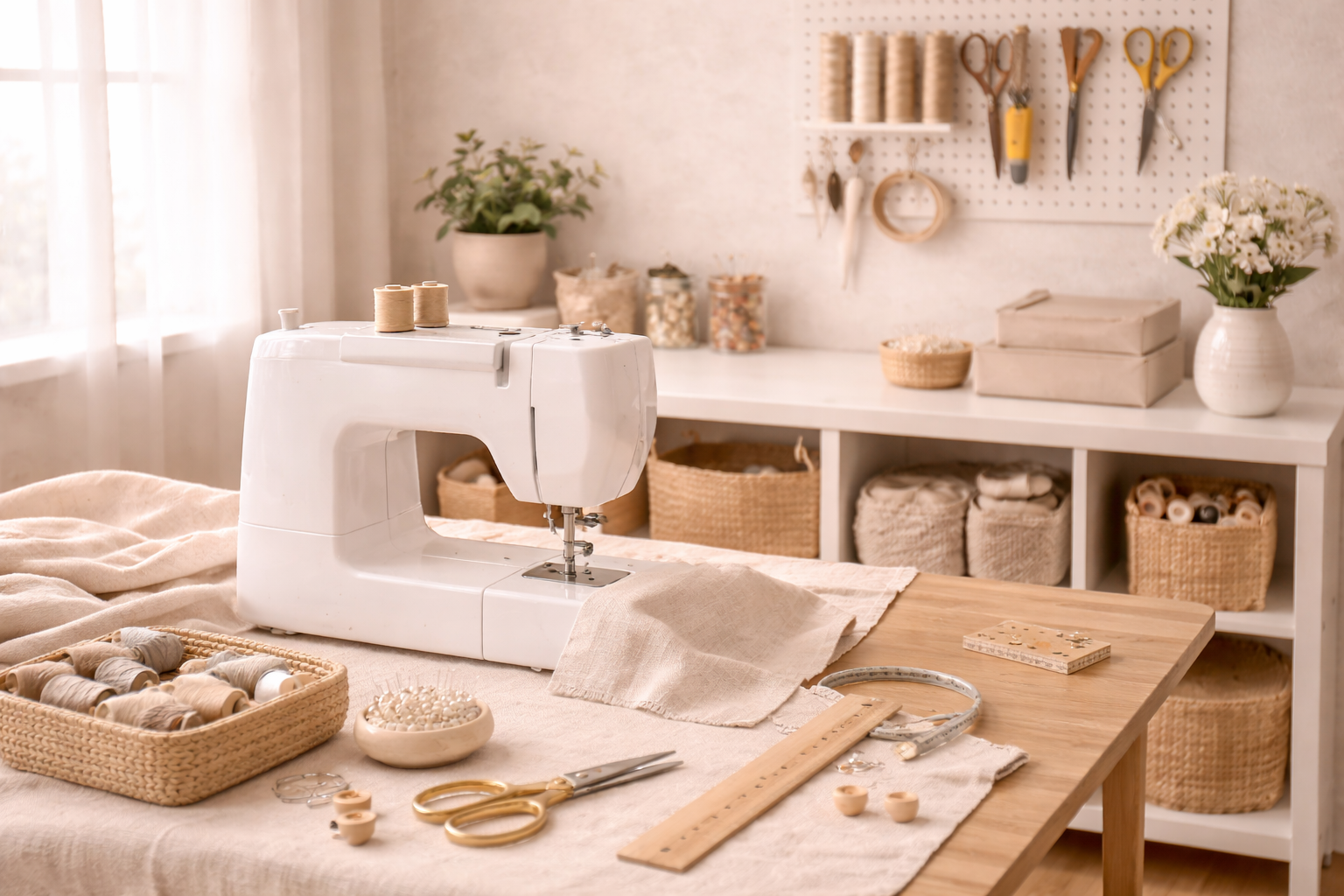
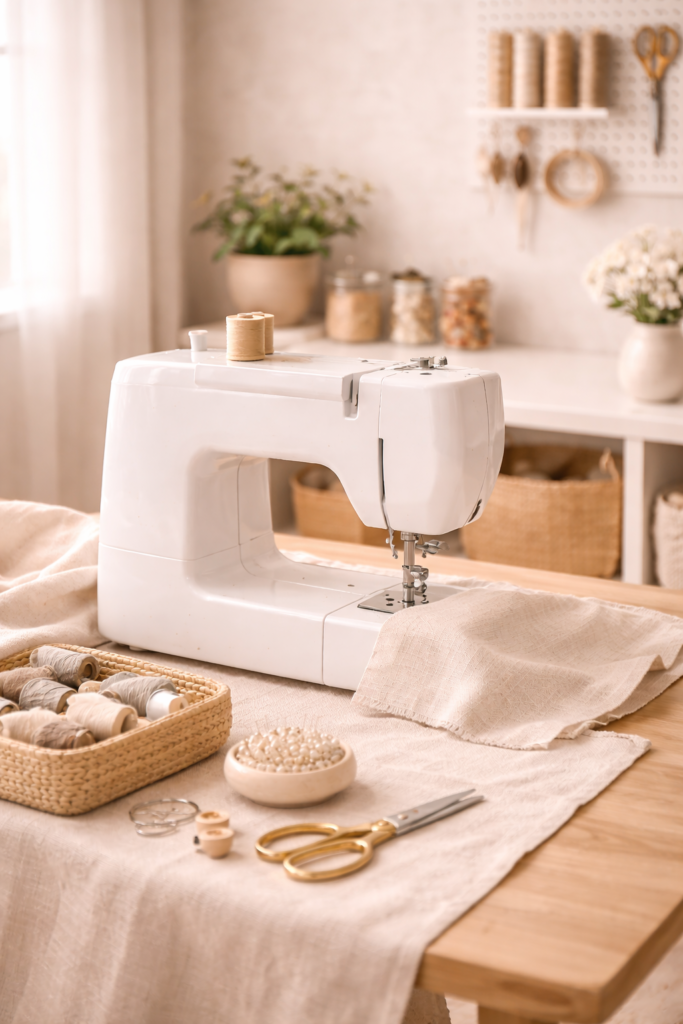
    1. Sewing Machine

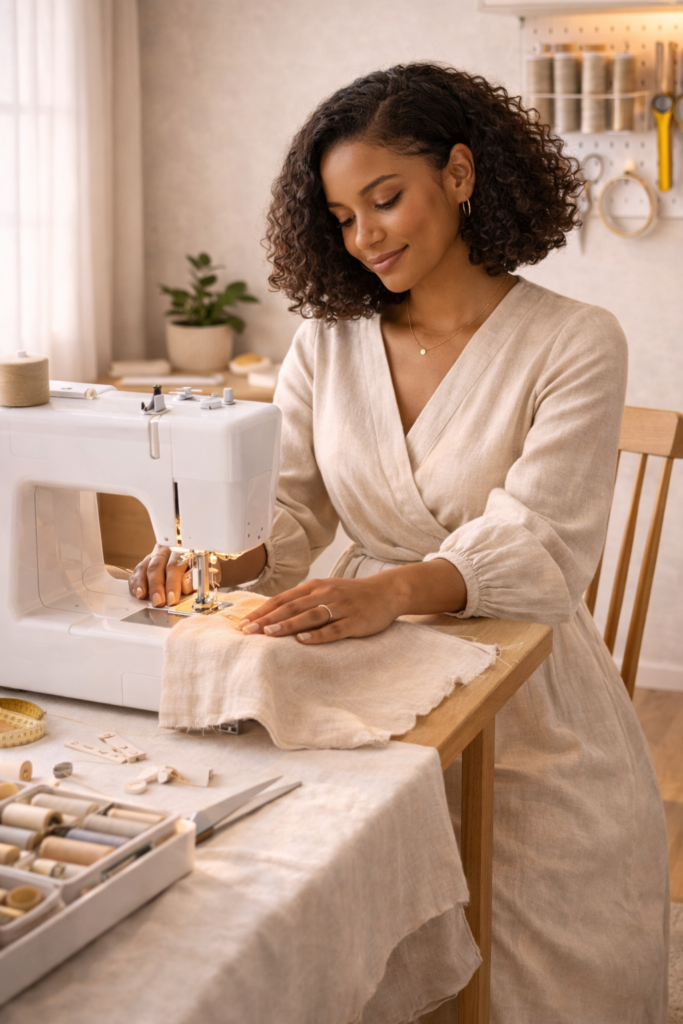
    Your sewing machine is the foundation of everything you create.

    • Choose a beginner-friendly model
    • Look for simple stitch options
    • Avoid overly complex machines

    👉 Recommended machine: Shop sewing machine

    Pro Tip: Practice stitching on scrap fabric before starting your project.
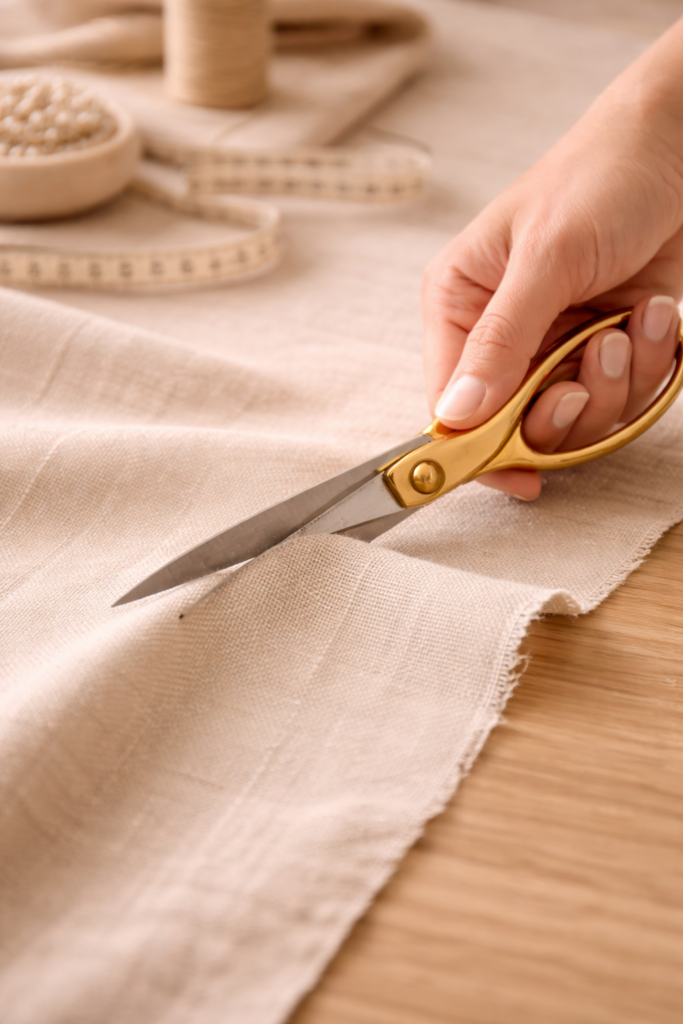
    2. Fabric Scissors
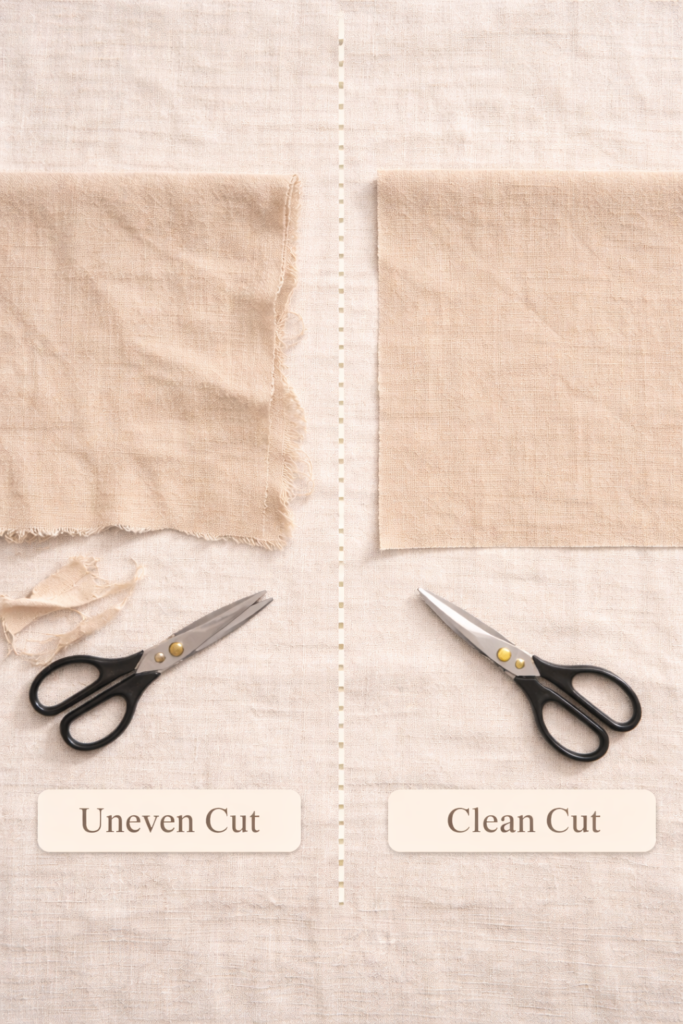
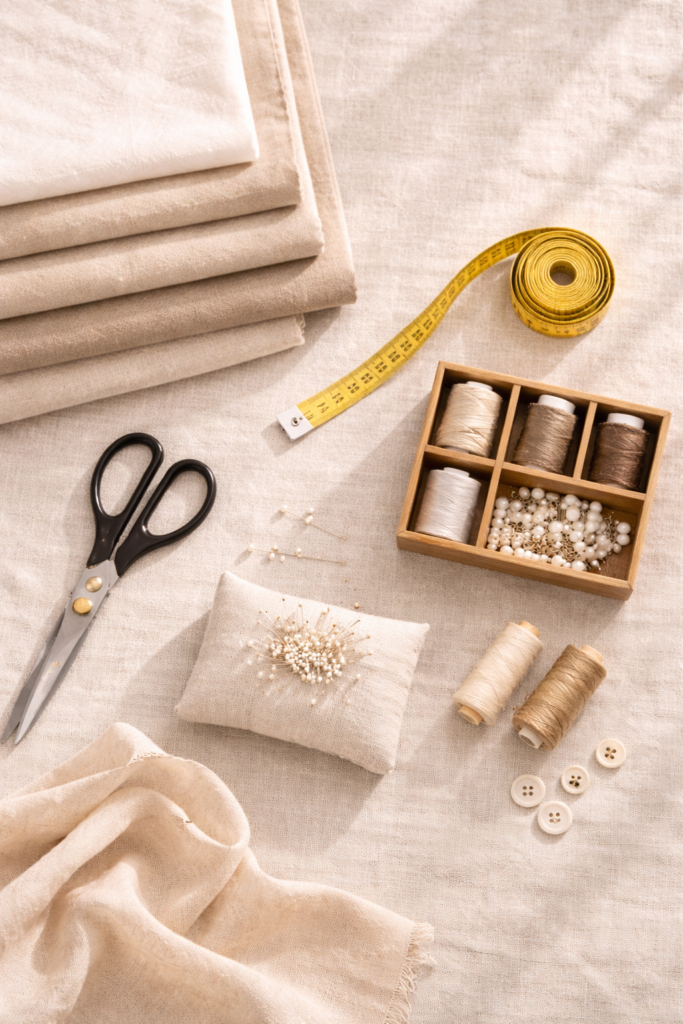
    Fabric scissors are one of the most important tools you’ll own.

    • Ensure clean, precise cuts
    • Prevent frayed edges
    • Improve overall sewing quality

    Important: Never use fabric scissors for paper.

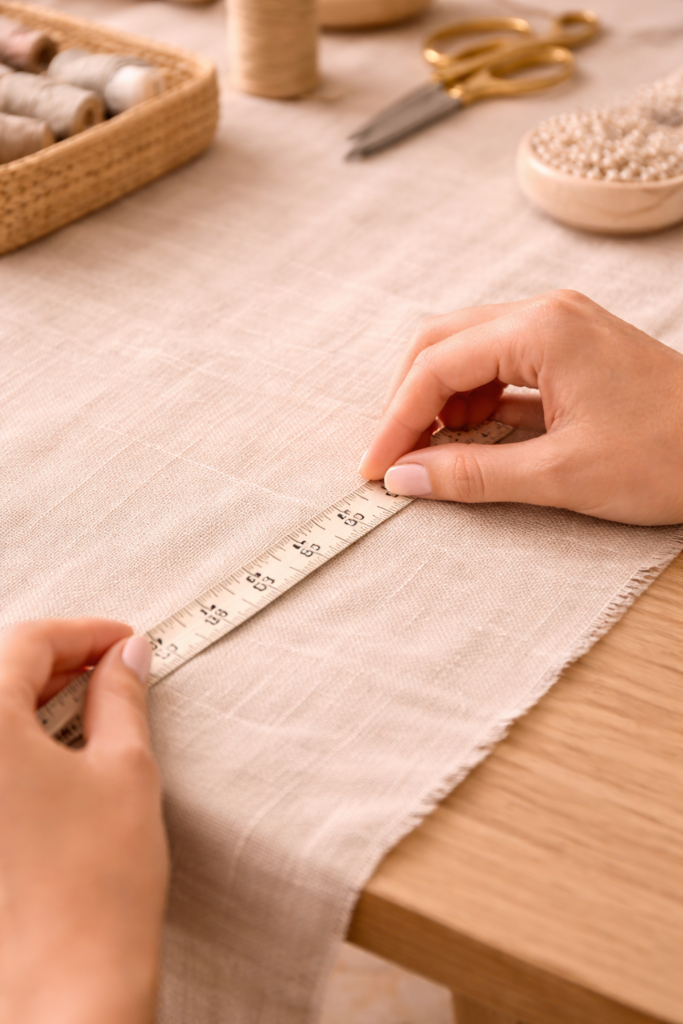
    3. Measuring Tape

    Accurate measurements are essential for a good fit.

    • Use flexible measuring tape
    • Measure before cutting
    • Follow pattern sizing

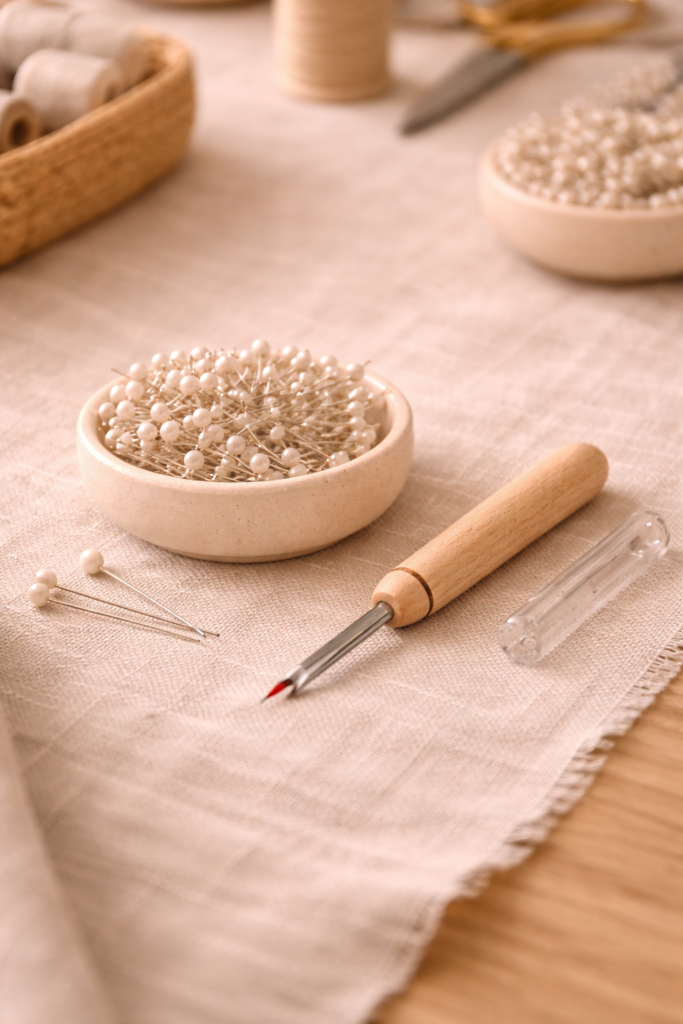
    4. Pins and Seam Ripper

    These tools help you maintain control and fix mistakes.

    • Pins hold fabric in place
    • Seam rippers remove stitches cleanly

    👉 Get both here: Shop dressmaking kit

    5. Thread

    Thread might seem simple, but it plays a big role in your results.

    • Use quality thread
    • Match thread color to fabric
    • Avoid cheap thread that breaks easily

    Tools That Make Sewing Easier (Optional but Helpful)

    Once you’re comfortable, these tools can improve your workflow.

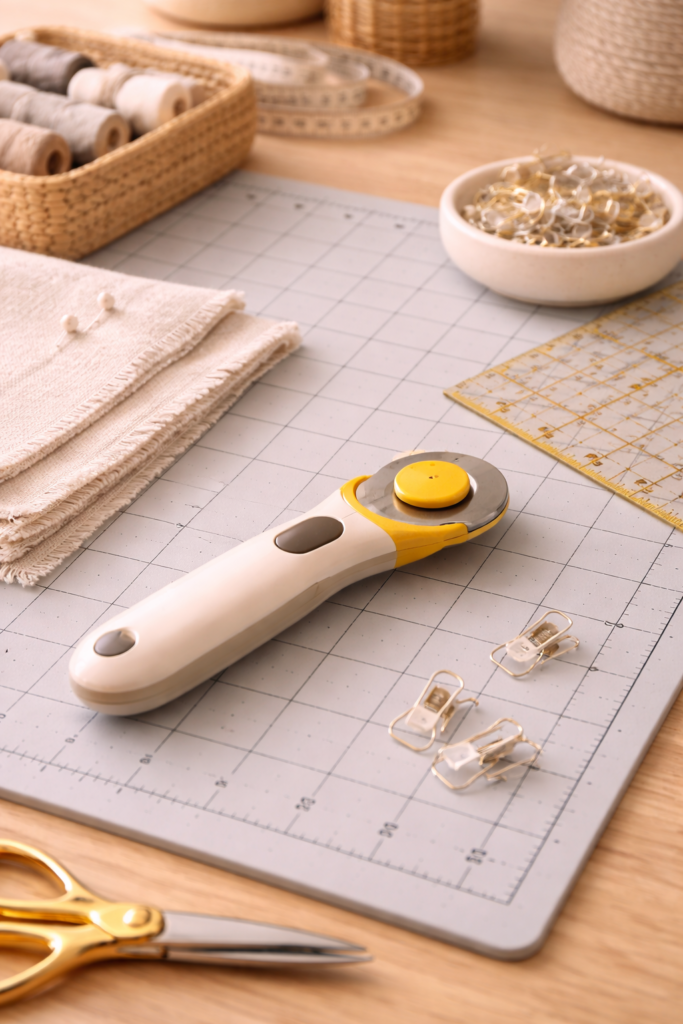
    • Rotary cutter for faster cutting
    • Cutting mat for protection
    • Pattern weights for stability

    Tools You Don’t Need Right Away

    Don’t waste money on tools you won’t use yet.

    • Advanced presser feet
    • Expensive cutting machines
    • Specialty rulers

    Focus on mastering the basics first.

    How to Build Your Sewing Toolkit Over Time

    You don’t need everything at once.

    • Start with essentials
    • Add tools as your skills grow
    • Invest in quality over quantity

    This approach saves money and keeps your setup simple.

    Common Beginner Tool Mistakes

    Buying too many tools too early
    Stick to essentials first.

    Using low-quality tools
    Cheap tools often create more problems.

    Not maintaining tools
    Keep scissors sharp and machines clean.

    Pro Tips for Better Results

    • Keep your tools organized
    • Replace needles regularly
    • Use the right tool for each task
    • Maintain your sewing machine

    Final Thoughts

    Sewing doesn’t require a massive investment—it requires the right foundation.

    With a few essential tools and consistent practice, you can start creating pieces that feel polished and intentional.

    Start simple, build over time, and enjoy the process.

    Affiliate Disclosure: This post may contain affiliate links. If you purchase through these links, we may earn a small commission at no extra cost to you.

  • 7 Easy Sewing Projects for Beginners (Start Today)

    7 Easy Sewing Projects for Beginners (Start Today)

    Starting your sewing journey can feel overwhelming—but it doesn’t have to be.

    The key to building confidence quickly is choosing the right projects. When you start with simple, achievable designs, you learn foundational skills without frustration or burnout.

    Instead of jumping into complicated garments, these beginner-friendly sewing projects are designed to help you:

    • build essential skills
    • understand fabric behavior
    • gain confidence with your sewing machine
    • create items you can actually use or wear

    Let’s walk through seven projects that will set you up for success.

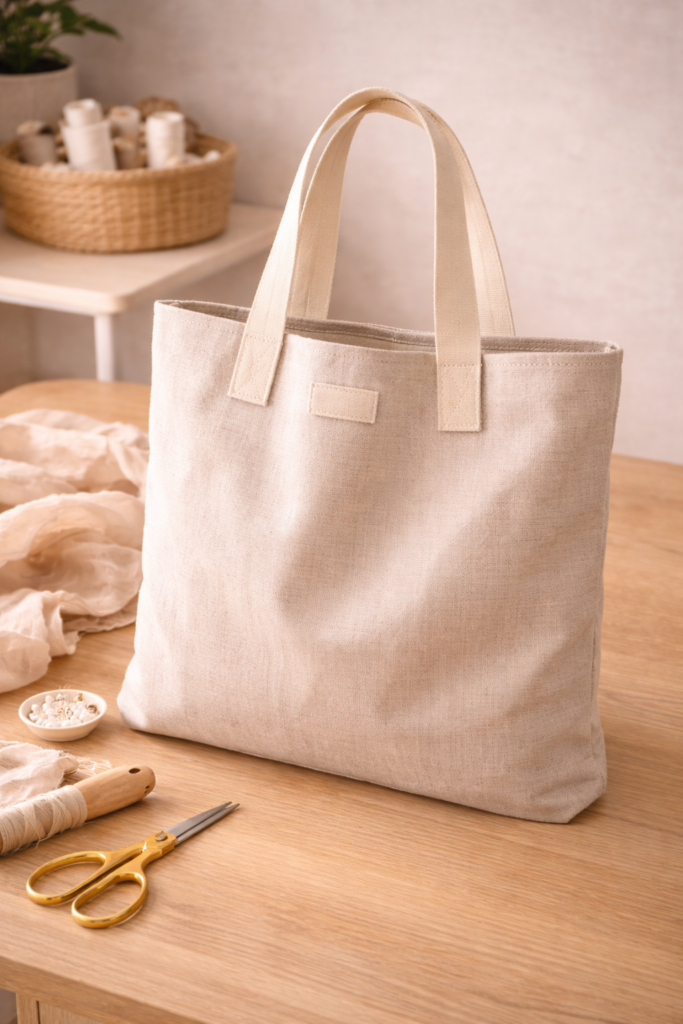
    1. Simple Tote Bag

    A tote bag is one of the best beginner projects because it teaches the most important sewing fundamentals in a simple format.

    You’ll learn:

    • how to sew straight seams
    • how to handle fabric evenly
    • how to reinforce straps

    This project is forgiving, practical, and quick to complete—making it perfect for your first or second sewing attempt.

    Pro Tip: Choose medium-weight cotton fabric so the bag holds its shape but is still easy to sew.

    Common mistake: Uneven seams. Go slow and guide the fabric instead of pulling it.

    2. Pillow Cover

    Pillow covers are ideal for practicing clean edges and consistent seam allowances.

    Because they use simple rectangular shapes, you can focus on improving your technique instead of worrying about complex construction.

    You’ll learn:

    • how to align fabric properly
    • how to sew corners cleanly
    • how to finish seams neatly

    Pro Tip: Press your seams with an iron as you go. This instantly makes your project look more professional.

    Why this matters: Pressing is one of the biggest differences between beginner and polished results.

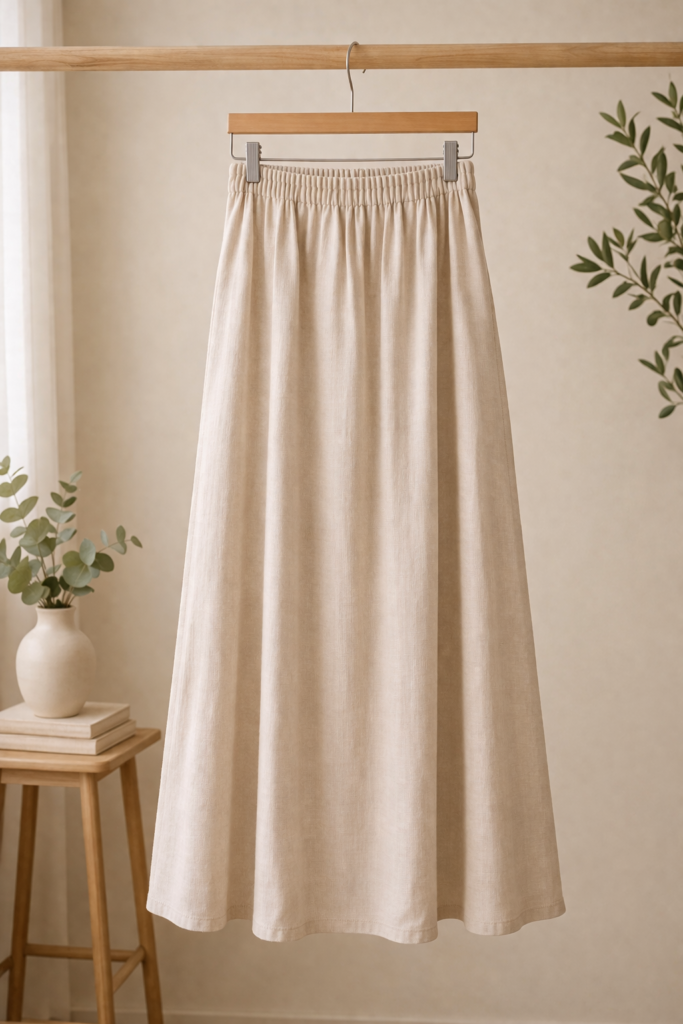
    3. Elastic Waist Skirt

    This is your first step into wearable sewing—and it’s easier than you think.

    An elastic waist skirt removes the need for zippers or complex fitting, making it perfect for beginners.

    You’ll learn:

    • how to create a waistband casing
    • how to insert elastic
    • how to sew longer seams evenly

    Pro Tip: Use breathable, beginner-friendly fabrics like cotton.

    👉 Explore beginner-friendly fabric: Shop fabric options

    Common mistake: Twisting the elastic inside the casing. Always secure it before closing.

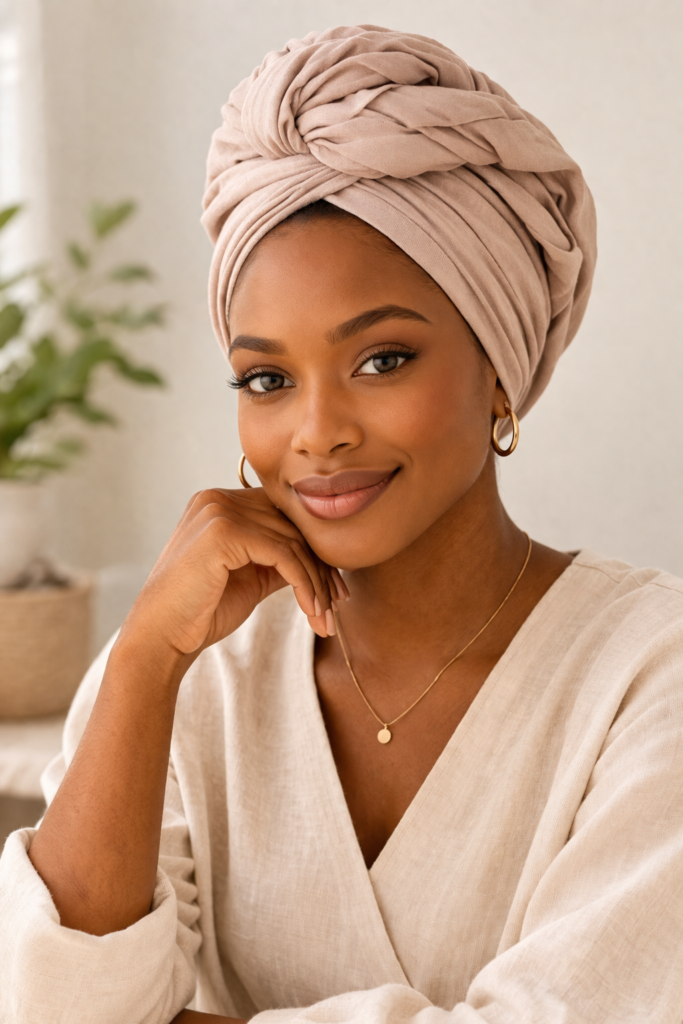
    4. Headwrap or Scarf

    This is one of the fastest projects you can complete—and it builds confidence quickly.

    It’s perfect for practicing:

    • cutting fabric accurately
    • hemming edges
    • working with lightweight materials

    This project also allows you to experiment with different fabrics and styles without a large commitment.

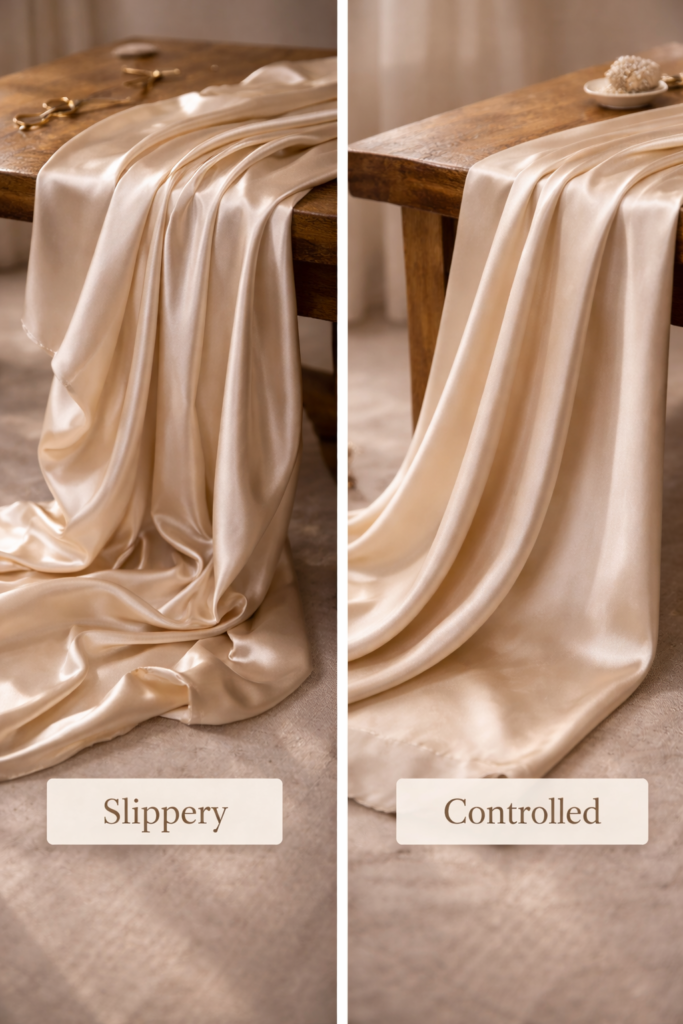
    Pro Tip: Start with stable fabric before trying slippery materials like satin.

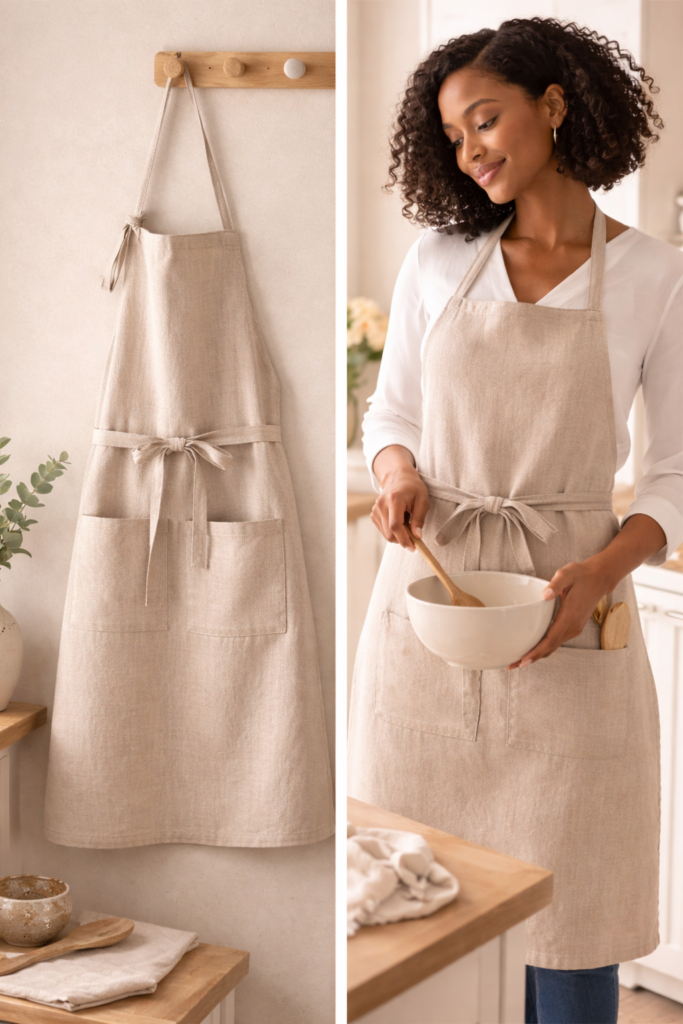
    5. Basic Apron

    An apron introduces slightly more complexity while still being beginner-friendly.

    You’ll learn:

    • how to attach straps
    • how to shape fabric
    • how to sew multiple components together

    This project is great for building confidence and preparing for more advanced garments.

    Tip: Focus on clean stitching—this project is very visible when worn.

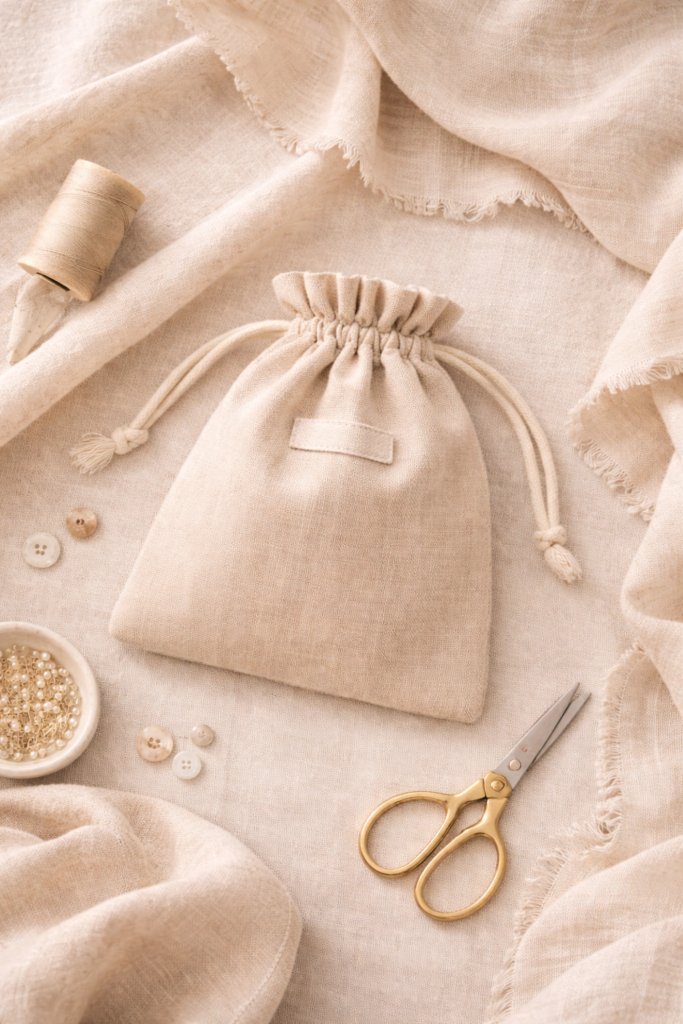
    6. Drawstring Bag

    This project teaches an important sewing technique: creating a casing.

    You’ll learn:

    • how to create channels for drawstrings
    • how to thread fabric through openings
    • how to finish edges cleanly

    It’s simple, practical, and a great way to practice precision.

    Pro Tip: Use a safety pin to easily guide the drawstring through the casing.

    7. Simple Modest Dress (Beginner Version)

    Once you’ve completed a few smaller projects, you’re ready to try a basic dress.

    This is where everything comes together:

    • cutting pattern pieces
    • sewing structured seams
    • assembling a full garment

    Start with a simple, modest silhouette that doesn’t require advanced techniques.

    👉 Get beginner tools: Shop dressmaking kit

    Pro Tip: Take your time and follow each step carefully—this is where your skills really develop.

    Tips for Success (Read This Before You Start)

    • Start with simple projects before moving up
    • Practice stitches on scrap fabric first
    • Always measure before cutting
    • Use beginner-friendly fabrics
    • Don’t rush—accuracy matters more than speed

    These small habits will dramatically improve your results.

    Final Thoughts

    Sewing is a skill that grows with every project you complete.

    The goal isn’t perfection—it’s progress.

    Start with these simple projects, build your confidence, and enjoy the process of creating something with your own hands.

    Affiliate Disclosure: This post may contain affiliate links. If you purchase through these links, we may earn a small commission at no extra cost to you.

  • How to Set Up a Sewing Space at Home (Even in a Small Area)

    How to Set Up a Sewing Space at Home (Even in a Small Area)

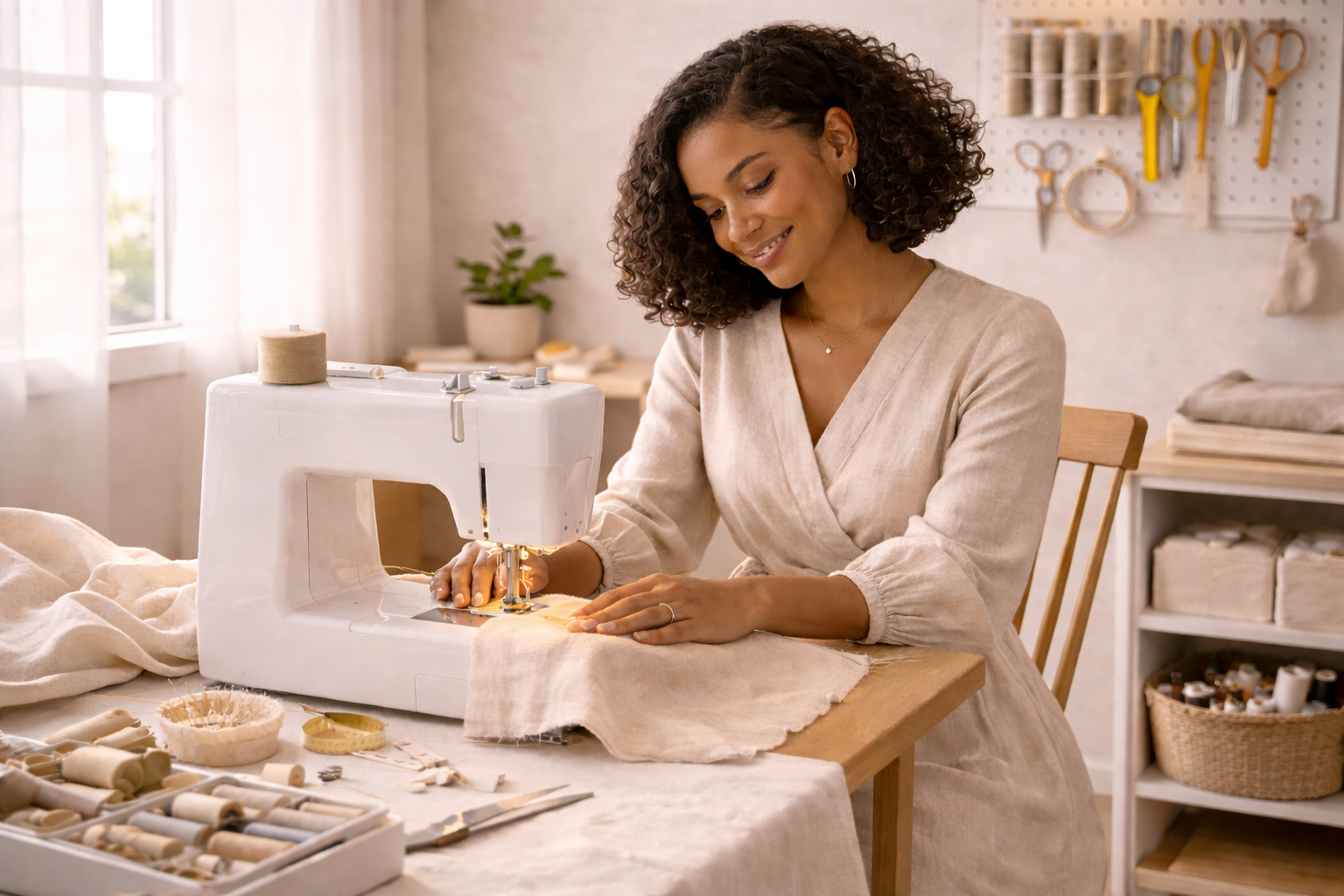
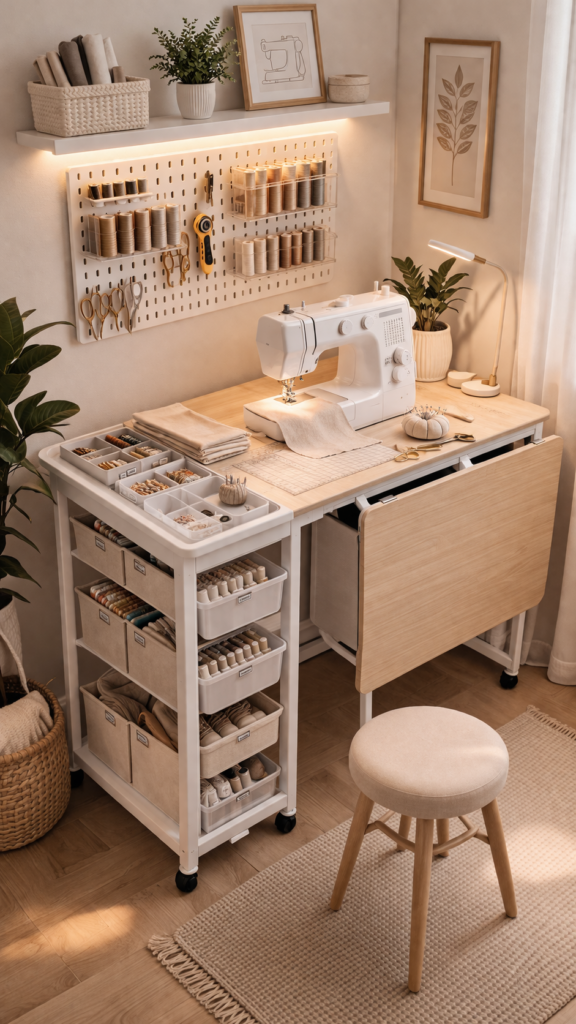
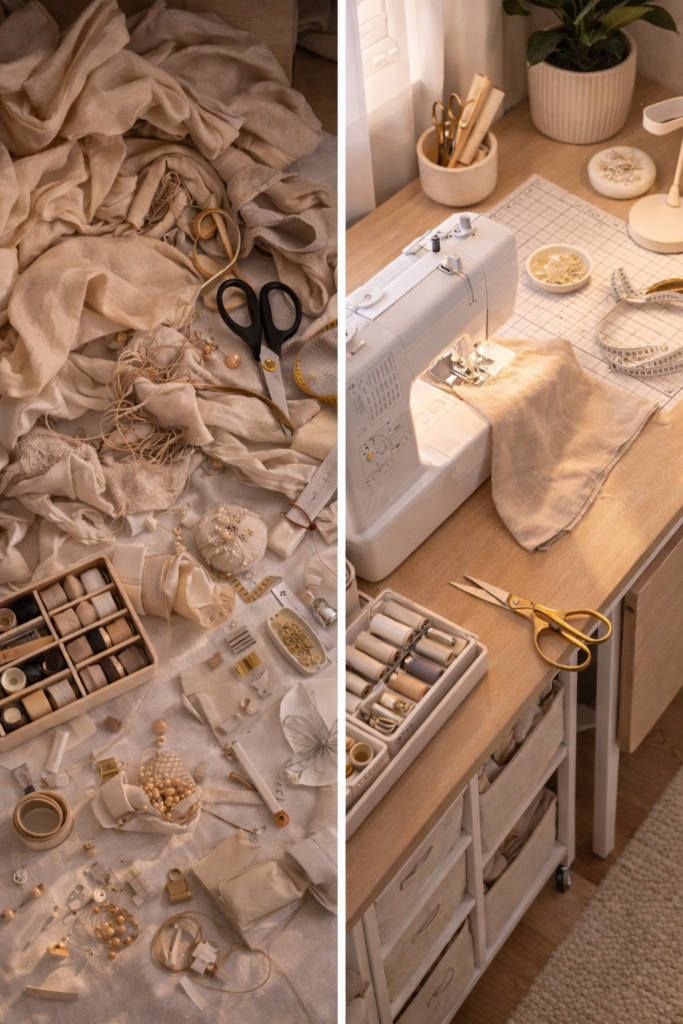
    Setting up your sewing space doesn’t have to be complicated—or expensive.

    Whether you’re working with a full room or just a small corner, the right setup can make sewing easier, more enjoyable, and far more productive.

    The goal isn’t perfection—it’s creating a space that works for you.

    What You Actually Need to Start

    You don’t need a full studio to begin. Start with the essentials:

    • A stable table or desk
    • A reliable sewing machine
    • Basic sewing tools
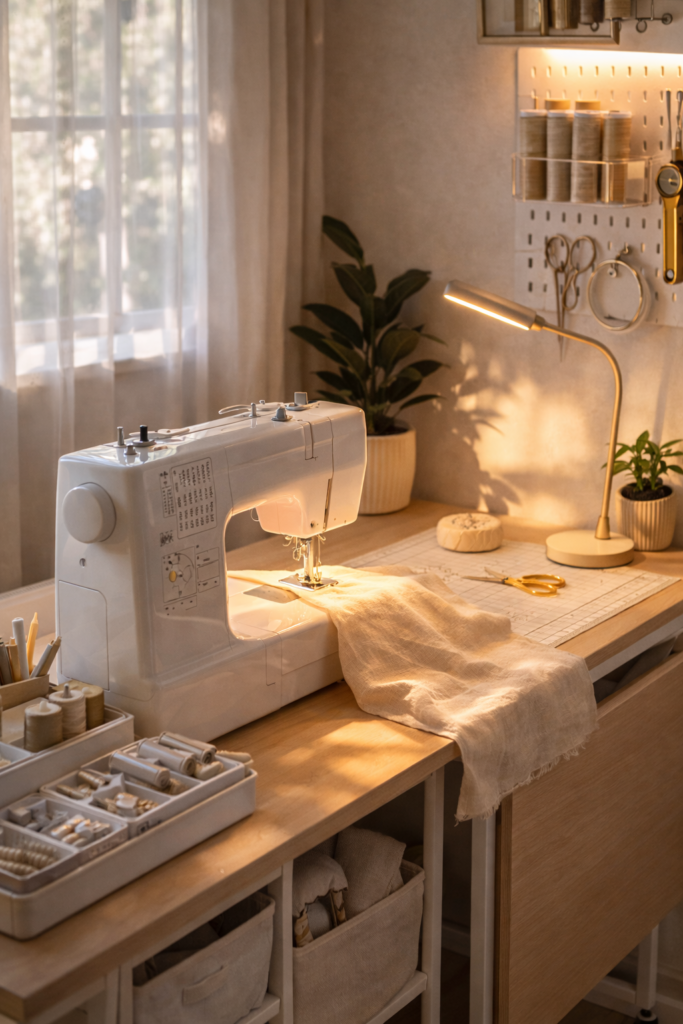
    • Good lighting

    👉 Recommended setup tools: Shop beginner sewing machine

    👉 Essentials kit: Shop dressmaking kit

    Pro Tip: Start simple. You can always upgrade your space later.

    Choosing the Right Location

    Your sewing space should feel comfortable and distraction-free.

    • Choose a quiet corner if possible
    • Use natural light when available
    • Avoid cramped or cluttered areas

    Tip: Even a small corner of your room can become a functional sewing area with the right setup.

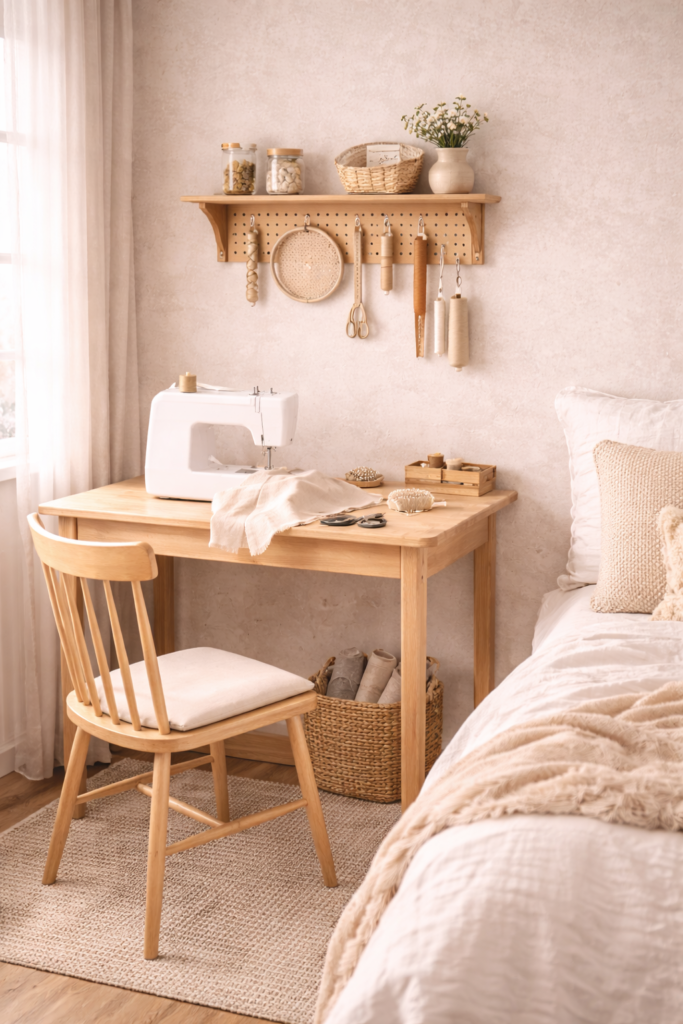
    Small Space Sewing Setup Tips

    If you don’t have a dedicated room, don’t worry—you can still create an effective setup.

    • Use a foldable table
    • Store tools in bins or drawers
    • Keep only what you use daily nearby

    Pro Tip: Vertical storage (shelves, wall hooks) saves space and keeps everything within reach.

    Lighting Matters More Than You Think

    Good lighting can dramatically improve your sewing accuracy.

    • Use natural light during the day
    • Add a desk lamp for detail work
    • Avoid shadows over your sewing area

    Tip: Position your light source from the side—not directly behind you.

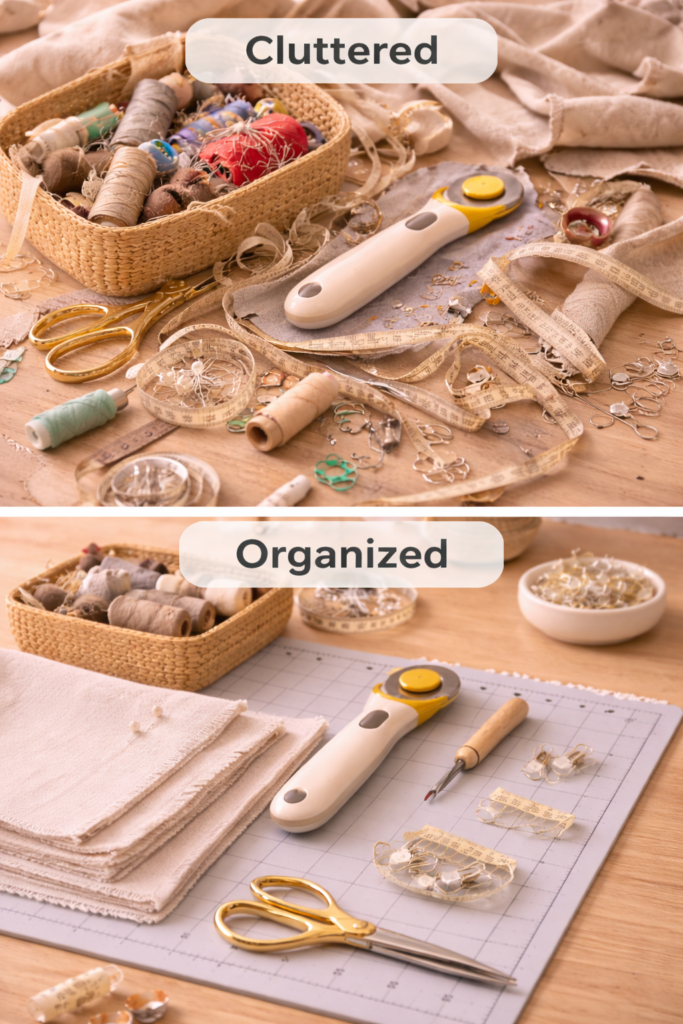
    Organizing Your Sewing Tools

    An organized space makes sewing faster and less stressful.

    • Keep scissors, pins, and tape within reach
    • Use small containers for tools
    • Store fabric separately to avoid clutter

    Pro Tip: Assign a place for every tool—this saves time and reduces frustration.

    Fabric Storage Tips

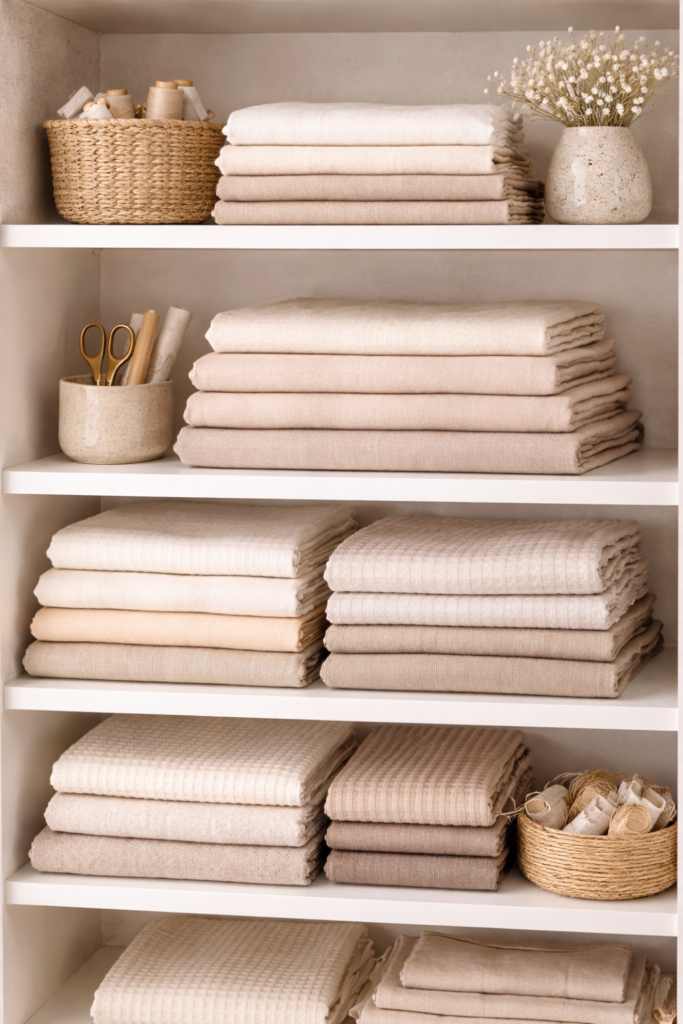
    Fabric can quickly become overwhelming if not stored properly.

    • Fold fabric neatly
    • Store by type or color
    • Avoid stacking too high

    👉 Explore beginner-friendly fabrics: Shop fabric options

    Tip: Keep your current project fabric separate from the rest.

    Common Setup Mistakes to Avoid

    Overcrowding your space
    Too many tools make it harder to focus.

    Poor lighting
    This leads to mistakes and eye strain.

    Unstable table
    This affects stitch quality and control.

    No organization system
    Wasting time searching for tools slows your progress.

    Small Habits That Improve Your Setup

    • Clean your space after each session
    • Prepare tools before starting
    • Keep your workspace clear while sewing
    • Organize materials before cutting

    These habits create a smoother, more enjoyable sewing experience.

    Final Thoughts

    Your sewing space doesn’t need to be perfect—it just needs to work for you.

    Start with the basics, stay organized, and build your setup over time.

    The more comfortable your space feels, the more confident you’ll become in your sewing.

    Affiliate Disclosure: This post may contain affiliate links. If you purchase through these links, we may earn a small commission at no extra cost to you.

  • How to Read a Sewing Pattern (Beginner Friendly Guide)

    How to Read a Sewing Pattern (Beginner Friendly Guide)

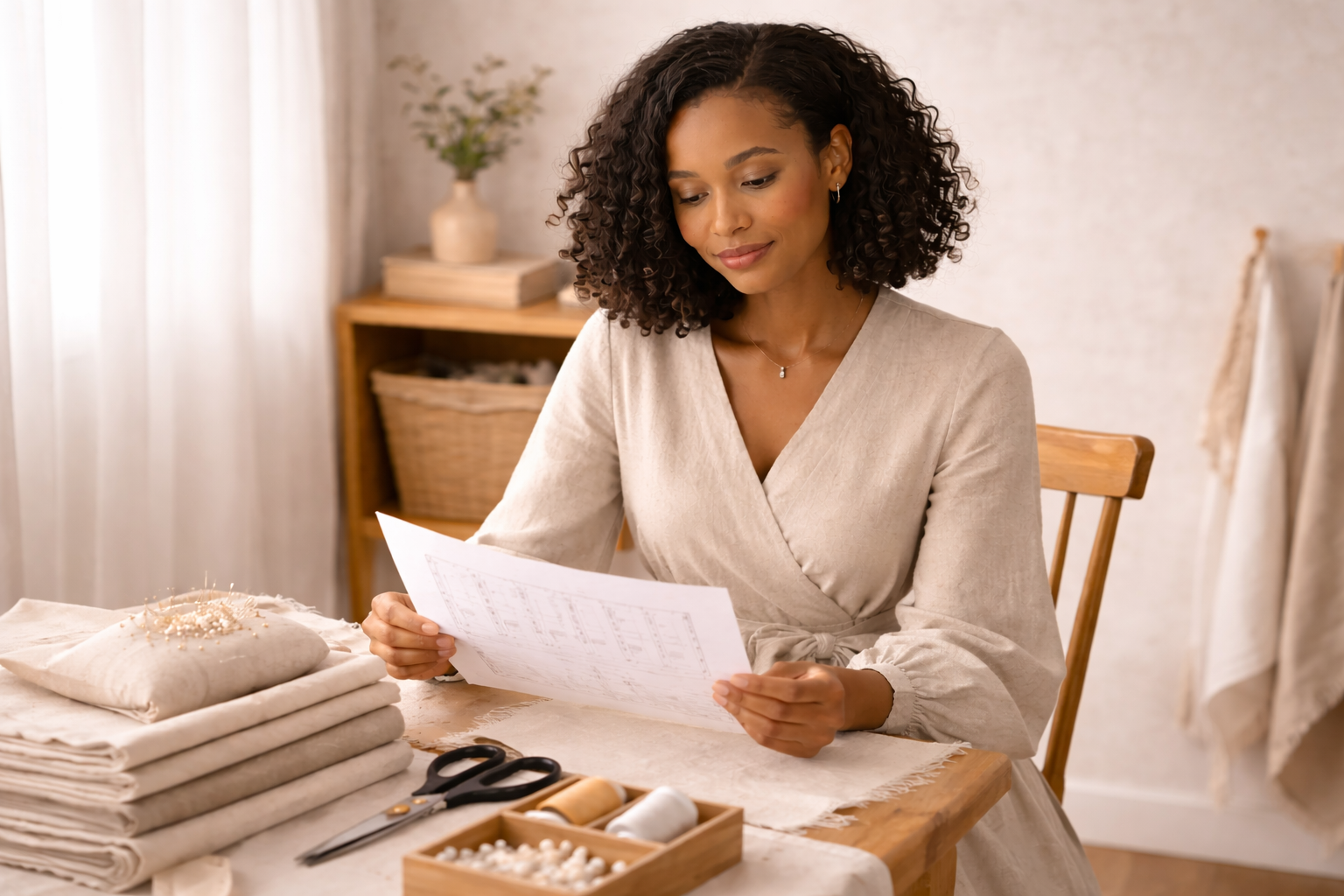
    If you’ve ever opened a sewing pattern and felt instantly overwhelmed, you’re not alone.

    Patterns can look confusing, technical, and even intimidating at first glance. But once you understand how they work, everything begins to click—and your confidence grows quickly.

    This guide breaks everything down in a simple, beginner-friendly way so you can go from confused to confident.

    What Is a Sewing Pattern?

    How to Read a Sewing Pattern

    A sewing pattern is your blueprint. It shows you exactly how to turn fabric into a finished garment.

    Most patterns include:

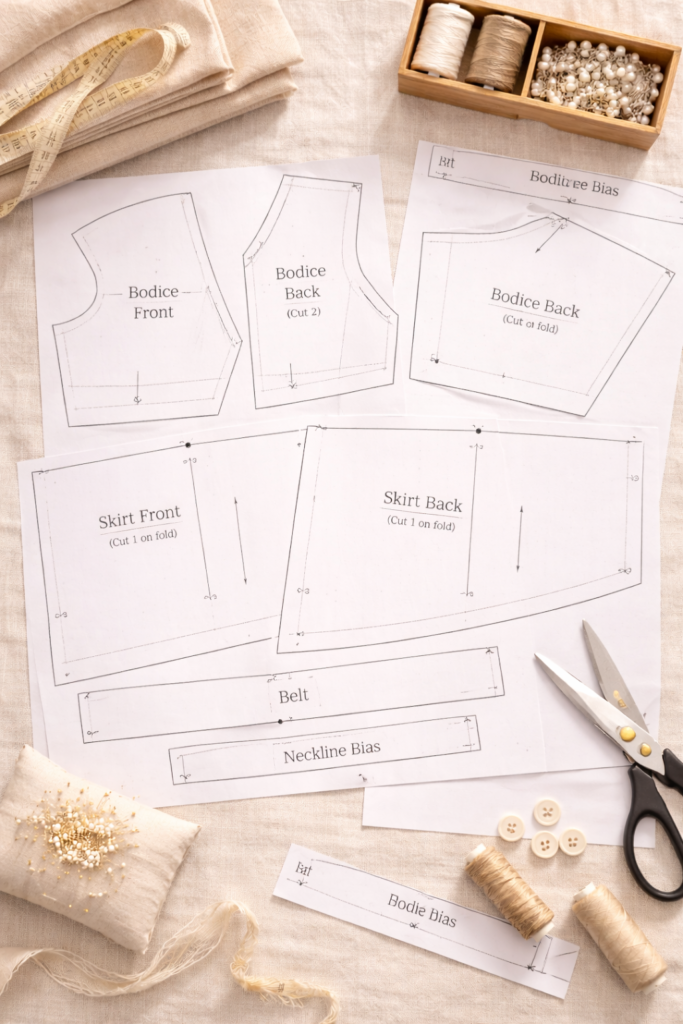
    • Pattern pieces (the shapes you cut out)
    • Step-by-step instructions
    • Markings and symbols
    • Fabric recommendations

    Think of it like a roadmap: if you follow it correctly, you’ll get to your final result much faster and with fewer mistakes.

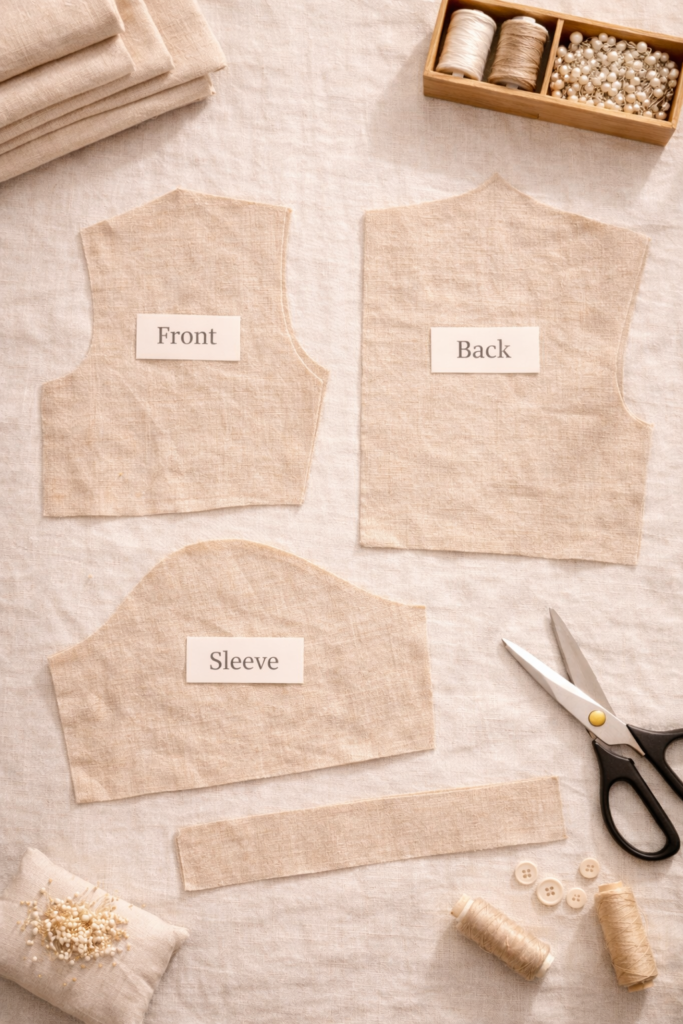
    Understanding Pattern Pieces

    How to Read a Sewing Pattern

    Each pattern piece represents a section of your garment.

    • Front bodice
    • Back bodice
    • Sleeves
    • Skirt panels

    Pro Tip: Before cutting anything, take a moment to identify each piece and understand where it belongs.

    Beginner Mistake: Cutting the wrong size or forgetting to cut mirrored pieces. Always check if the pattern says “cut 2” or “cut on fold.”

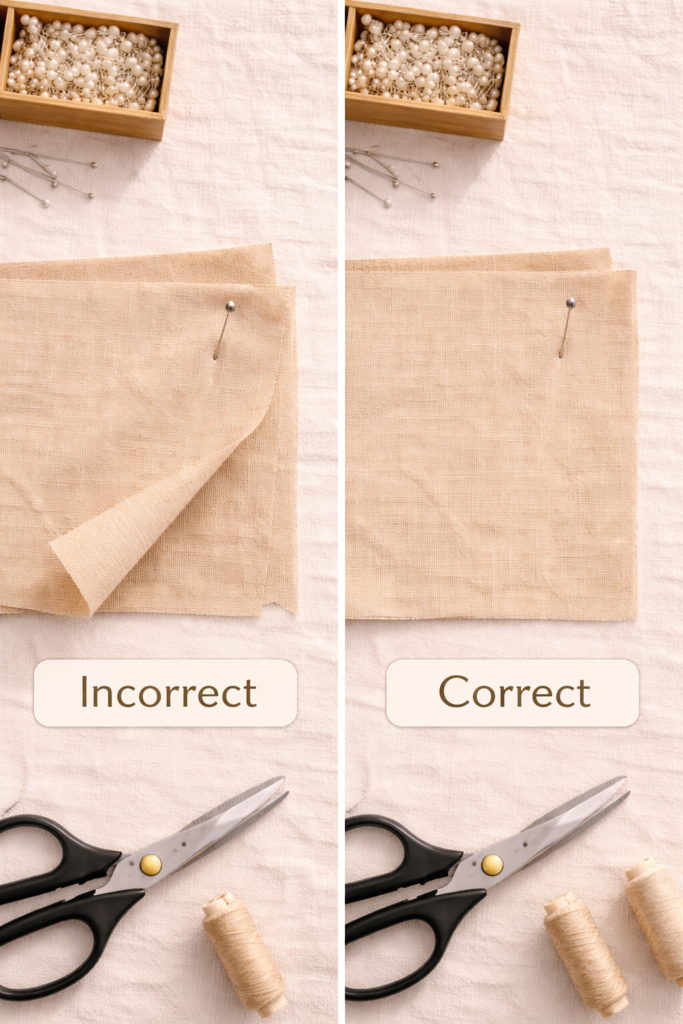
    Understanding “Cut on Fold”

    This is one of the most common areas beginners get confused.

    When a pattern says “cut on fold”, it means:

    • You fold your fabric in half
    • You place the pattern edge along the fold
    • You cut around the rest of the piece

    This creates a perfectly symmetrical piece when unfolded.

    Tip: Always align the fold edge precisely—misalignment can distort your entire garment.

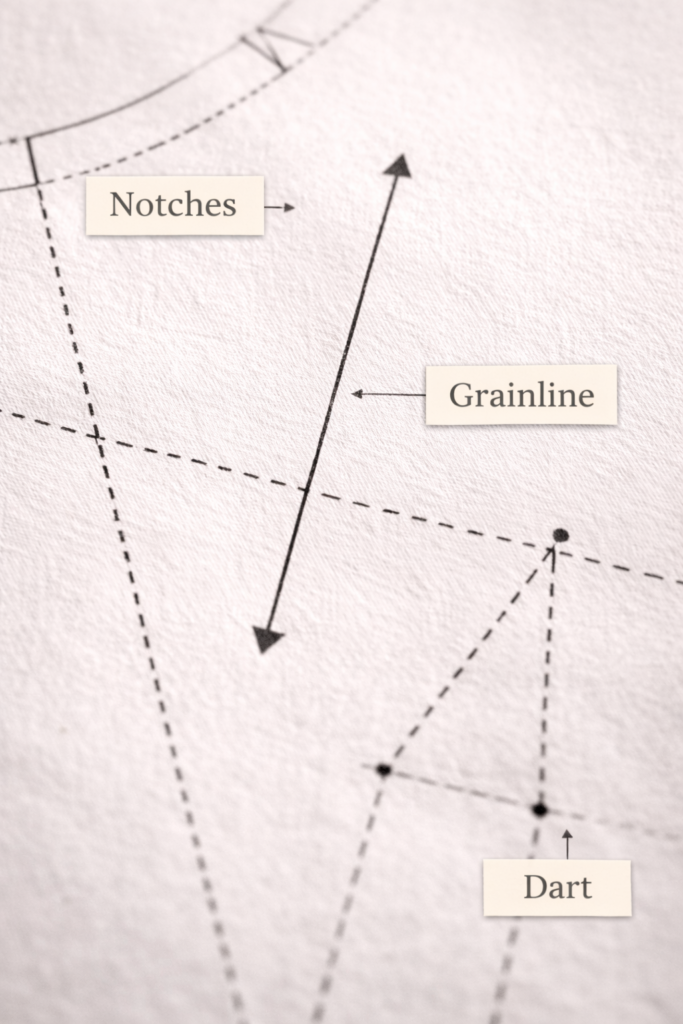
    Key Pattern Symbols You Must Know

    How to Read a Sewing Pattern

    These markings may look small, but they are extremely important.

    • Grainline: shows how to align fabric for proper drape
    • Notches: small marks that help match pieces together
    • Darts: folds that shape the garment to your body
    • Fold Line: indicates where fabric should be folded

    Pro Tip: Transfer markings to your fabric using chalk or pins. Skipping this step can make sewing much harder later.

    How to Choose the Right Size

    Sewing sizes are different from store sizes.

    Instead of guessing, always:

    • Measure your bust, waist, and hips
    • Compare your measurements to the pattern chart
    • Select based on measurements—not assumptions

    Tip: If you’re between sizes, choose the larger one. It’s easier to take fabric in than let it out.

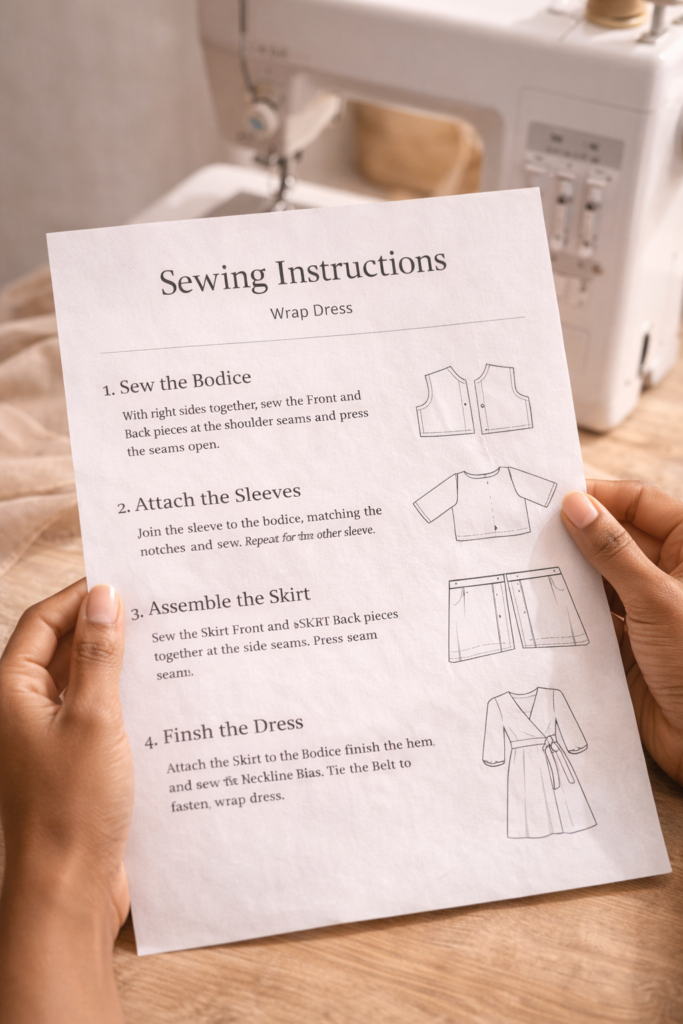
    Reading the Instructions (The Right Way)

    Instructions are often skipped—but they are one of your most valuable tools.

    • Read the entire pattern before starting
    • Understand the sequence of steps
    • Take note of unfamiliar terms

    Pro Tip: Read once before cutting, then again before sewing. This prevents costly mistakes.

    Tools That Make Pattern Reading Easier

    Having the right tools simplifies the process dramatically.

    • Measuring tape for accuracy
    • Sharp fabric scissors for clean cuts
    • Pins to keep pieces aligned

    👉 Get essentials here: Shop dressmaking kit

    Common Beginner Mistakes (And Fixes)

    Skipping measurements
    Fix: Always measure before choosing a size.

    Ignoring grainline
    Fix: Align fabric correctly to avoid twisting or distortion.

    Cutting too quickly
    Fix: Slow down and double-check placement before cutting.

    Not marking fabric
    Fix: Transfer notches and darts to guide your sewing.

    Pro Tips That Instantly Improve Your Results

    • Use pattern weights instead of holding pieces by hand
    • Cut on a flat, stable surface
    • Keep pattern pieces organized as you work
    • Label pieces after cutting to avoid confusion
    • Always double-check before sewing each step

    These habits create cleaner, more professional results.

    Building Confidence with Patterns

    At first, patterns may feel like a lot—but with each project, they become easier to understand.

    The key is consistency. The more you practice, the more natural it becomes.

    Start simple, take your time, and trust your progress.

    Final Thoughts

    Reading a sewing pattern is a skill—and like any skill, it improves with practice.

    Once you understand how patterns work, you unlock the ability to create your own garments with confidence and intention.

    Take your time, follow each step carefully, and enjoy the process.

    Affiliate Disclosure: This post may contain affiliate links. If you purchase through these links, we may earn a small commission at no extra cost to you.

  • How to Choose the Right Fabric for Your First Dress (Beginner Guide)

    How to Choose the Right Fabric for Your First Dress (Beginner Guide)

    One of the biggest mistakes beginners make isn’t in the sewing—it’s in the fabric.

    You can follow every step correctly, but if your fabric is difficult to work with, your final result will still feel off.

    The good news? Once you understand a few key things, choosing fabric becomes simple—and your results improve instantly.

    Why Fabric Choice Matters

    How to Choose the Right Fabric

    Fabric determines how your dress will:

    • fit on the body
    • hold its shape
    • move and drape
    • look when finished

    Even the same pattern can look completely different depending on the fabric you choose.

    Best Fabrics for Beginners

    How to Choose the Right Fabric

    1. Cotton

    Cotton is one of the easiest fabrics to work with.

    • doesn’t slip while sewing
    • holds its shape well
    • easy to cut and measure

    👉 Explore beginner-friendly options: Shop fabric options

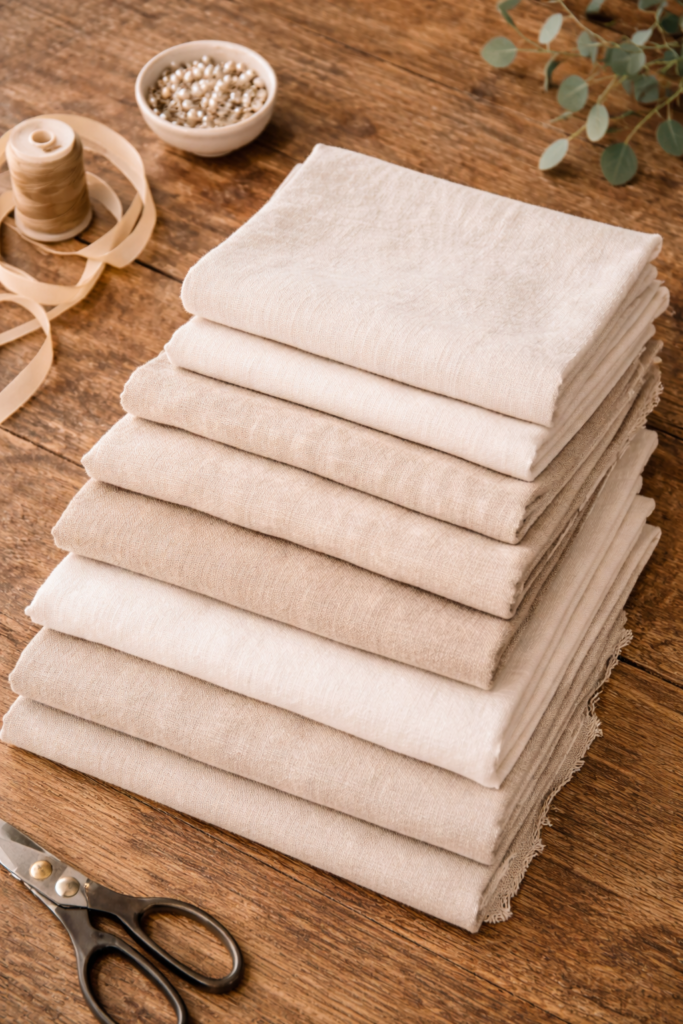
    2. Linen Blends

    Linen blends give a more elevated, structured look while still being manageable.

    Tip: Pure linen wrinkles easily—blends are more forgiving.

    3. Medium-Weight Fabrics

    Look for fabrics that aren’t too thin or too thick.

    • too thin = hard to control
    • too thick = difficult to sew

    Fabrics to Avoid as a Beginner

    Silk & Satin

    Beautiful—but very slippery and hard to control.

    Stretch Fabrics

    These require special techniques and can easily distort.

    Heavy Denim

    Too thick for most beginner machines and difficult to sew cleanly.

    How to Test Fabric Before You Buy

    How to Choose the Right Fabric

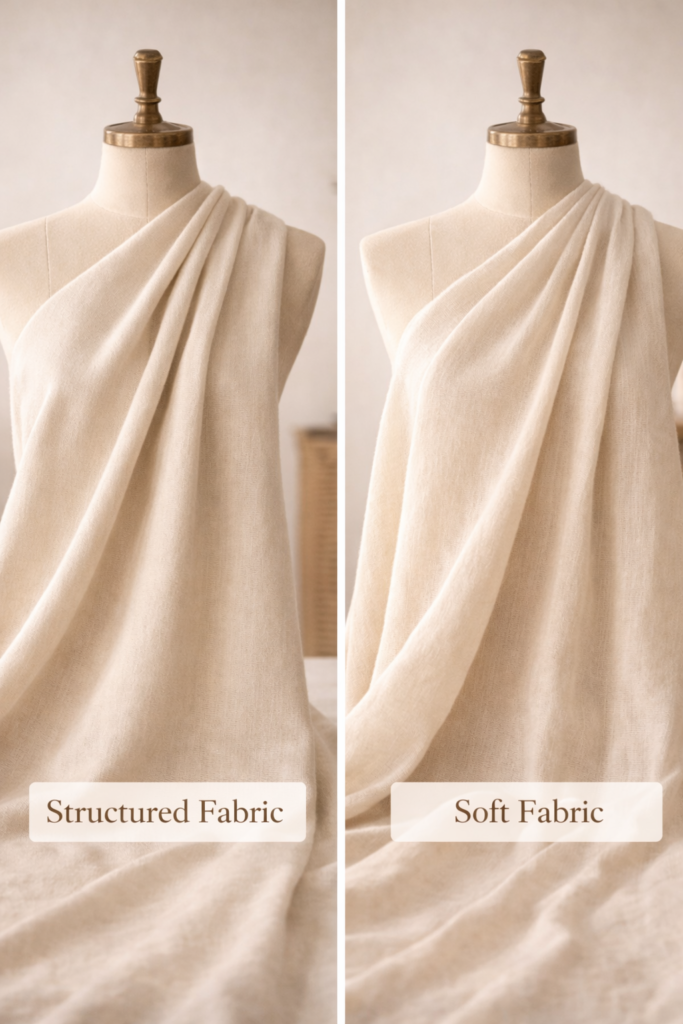
    Before committing to a fabric, try this:

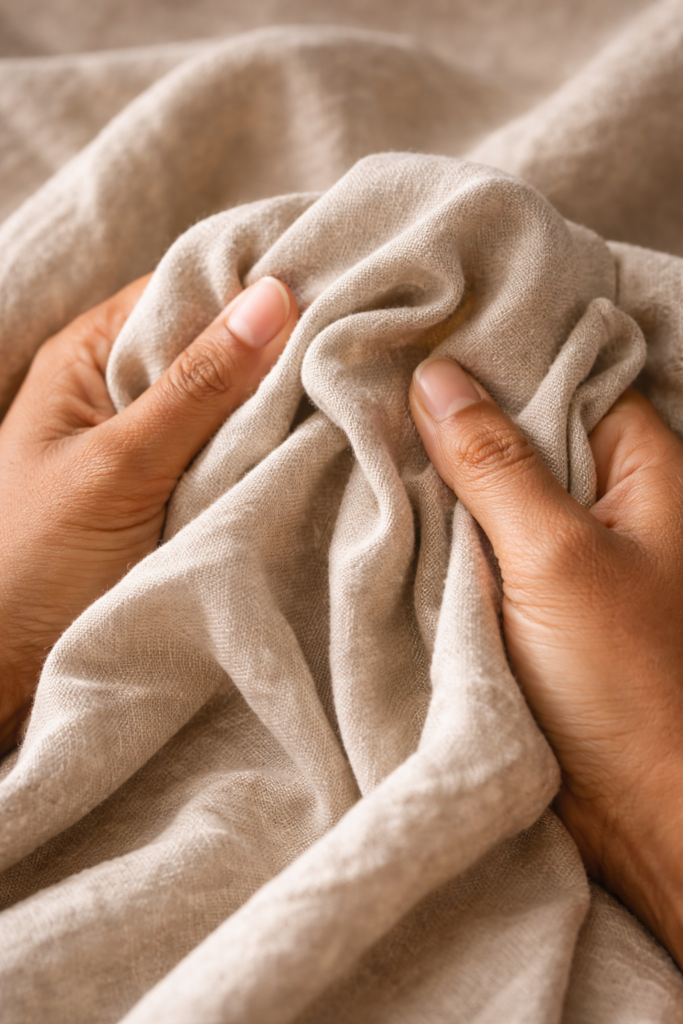
    • Hold it up — does it drape or stay stiff?
    • Scrunch it — does it wrinkle badly?
    • Fold it — does it hold structure?

    These small checks tell you how the fabric will behave when sewn.

    Pro Tips That Make a Huge Difference

    • Always pre-wash your fabric before sewing
    • Use matching thread for a cleaner finish
    • Cut fabric on a flat, stable surface
    • Use sharp scissors for clean edges

    👉 Get essential tools here: Shop dressmaking kit

    Common Beginner Mistakes

    Choosing fabric based on looks only
    Always consider how it behaves, not just how it looks.

    Skipping pre-wash
    This can cause shrinking after your piece is finished.

    Ignoring pattern recommendations
    Patterns are designed with certain fabrics in mind.

    Final Thoughts

    Choosing the right fabric is one of the fastest ways to improve your sewing results.

    When you start with beginner-friendly materials, everything becomes easier—and your finished pieces look more polished and intentional.

    Affiliate Disclosure: This post may contain affiliate links. If you purchase through these links, we may earn a small commission at no extra cost to you.

  • Beginner Sewing Tools You Actually Need (And What to Skip)

    Beginner Sewing Tools You Actually Need (And What to Skip)

    Starting your sewing journey can feel overwhelming—especially when you’re faced with long lists of tools you “need” before you even begin.

    The truth is, you don’t need everything.

    You just need the right tools—and more importantly, the right approach—to start creating with confidence.

    This guide will walk you through the essentials, what to skip, and the small tips that make a huge difference in how your final pieces turn out.

    The Core Tools Every Beginner Needs

    Beginner Sewing Tools You Actually Need (And What to Skip)

    1. A Reliable Sewing Machine

    Your sewing machine is your foundation. It doesn’t need to be expensive—it needs to be consistent and beginner-friendly.

    • Look for simple stitch options
    • Avoid overly complex machines at the beginning
    • Focus on smooth, even stitching

    👉 Recommended option: Shop beginner sewing machine

    Pro Tip: Always test your stitch on scrap fabric before starting your project. This prevents uneven seams and wasted fabric.

    2. Fabric Scissors (Your Secret Weapon)

    Fabric scissors are non-negotiable.

    Using dull or multipurpose scissors can cause jagged edges, which leads to poor sewing results.

    👉 Recommended: Shop dressmaking essentials kit

    Pro Tip: Never use your fabric scissors on paper. Even once can dull the blade significantly.

    3. Measuring Tape

    Good sewing is all about accuracy.

    • Measure twice, cut once
    • Always recheck measurements before cutting fabric

    👉 Included here: Shop dressmaking kit

    Pro Tip: Write your measurements down. Guessing leads to poor fit and wasted fabric.

    4. Pins & Seam Ripper

    These two tools will save you again and again.

    • Pins keep your fabric aligned
    • Seam rippers fix mistakes cleanly

    👉 Get both here: Shop essentials kit

    Pro Tip: Place pins perpendicular to the seam—it makes sewing smoother and safer.

    5. The Right Fabric

    Fabric choice is one of the biggest factors in how “professional” your final piece looks.

    • Start with medium-weight fabrics
    • Avoid slippery or stretchy fabrics at first
    • Choose materials that hold structure

    👉 Recommended fabrics: Shop fabric options

    Pro Tip: Wash and dry your fabric before sewing. This prevents shrinking after your piece is finished.

    Common Beginner Mistakes (And How to Fix Them)

    Beginner Sewing Tools You Actually Need (And What to Skip)

    Skipping the Iron

    Pressing your seams is what separates beginner work from polished results.

    Fix: Press every seam as you go. It makes your final piece look professionally made.

    Rushing Through Cuts

    Uneven cuts = uneven sewing.

    Fix: Take your time cutting fabric. This step affects everything else.

    Using the Wrong Needle

    Different fabrics need different needles.

    Fix: Use universal needles for most beginner fabrics and change them regularly.

    Not Practicing First

    Jumping straight into your project can lead to frustration.

    Fix: Practice stitches on scrap fabric before sewing your actual piece.

    What You Don’t Need (Yet)

    Don’t fall into the trap of overbuying tools you won’t use right away.

    • Advanced presser feet
    • Specialty rulers
    • Expensive cutting machines

    Focus on mastering the basics first—your skills matter more than your tools.

    Small Tips That Make a Big Difference

    • Always thread your machine with the presser foot up
    • Use matching thread color for a cleaner finish
    • Backstitch at the beginning and end of seams
    • Keep your workspace clean and organized
    • Take breaks—fatigue leads to mistakes

    These small habits elevate your work instantly.

    Final Thoughts

    Sewing is not about having everything—it’s about starting intentionally.

    With just a few essential tools and the right techniques, you can begin creating pieces that feel:

    • elegant
    • intentional
    • beautifully structured

    Every piece you create builds your confidence—and your skill.

    Ready to Start Sewing?

    Start with the right tools, take your time, and trust the process.

    Explore more guides inside MTBM Academy and continue building your sewing foundation.

    Affiliate Disclosure: This post may contain affiliate links. If you purchase through these links, we may earn a small commission at no extra cost to you.