Tag: fabric guide

  • Best Fabrics for Modest Dresses (What Actually Looks High-End)

    Best Fabrics for Modest Dresses (What Actually Looks High-End)

    If your dresses don’t look as polished as you imagined, the issue may not be your sewing — it’s likely your fabric.

    The truth is, even the simplest dress pattern can look expensive when made with the right material. On the other hand, the wrong fabric can make even a well-sewn garment look cheap.

    This guide breaks down the best fabrics for modest dresses, what makes them look high-end, and how to choose the right one — even as a beginner.


    What Makes a Fabric Look Expensive?
    Before choosing fabric, it’s important to understand what creates that elevated look.

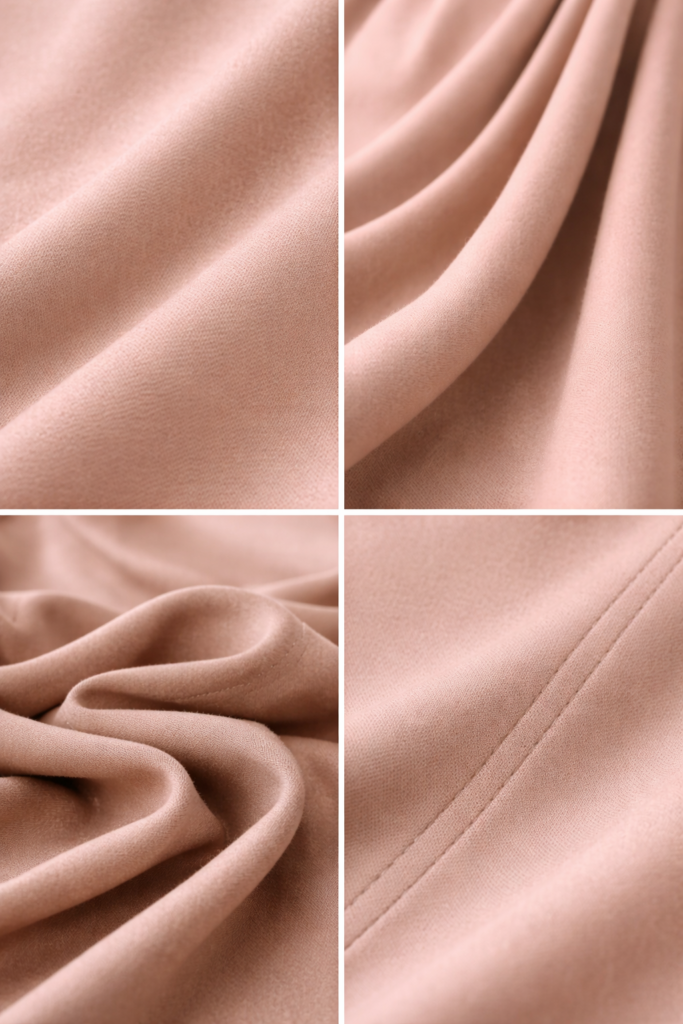
    High-end fabrics typically have:

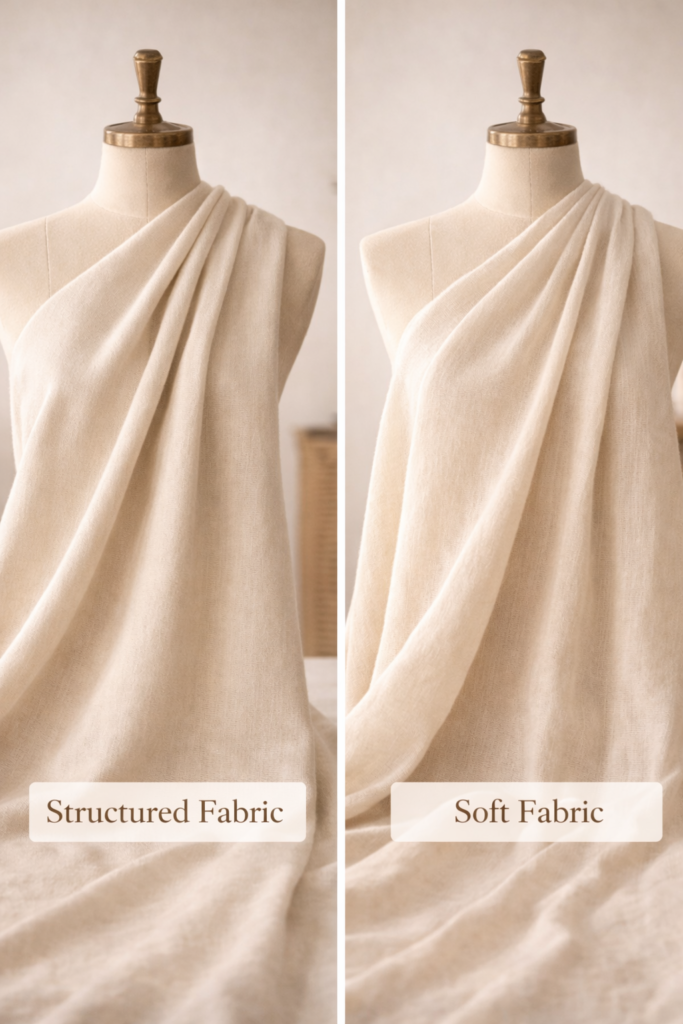
    • A structured but flexible drape
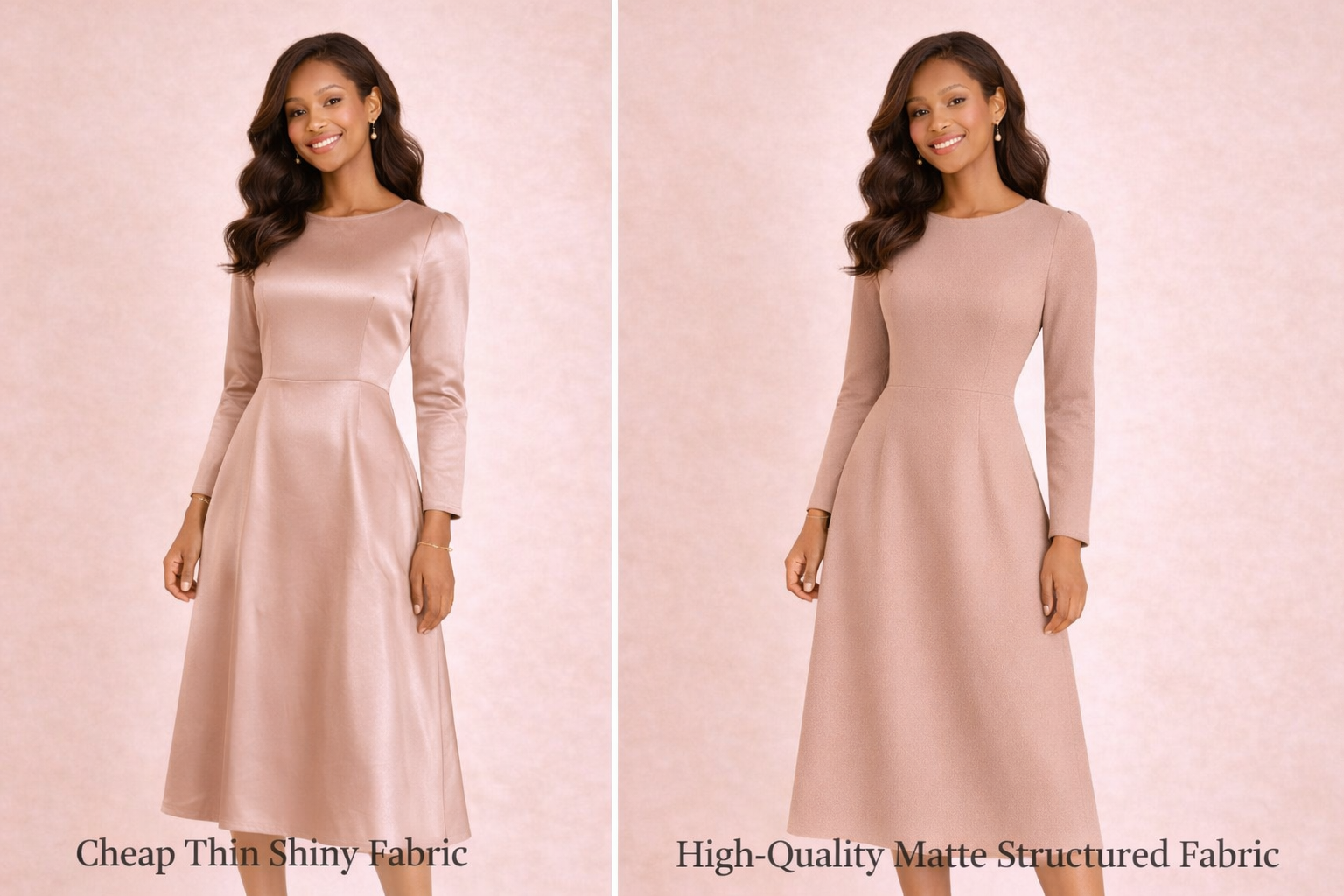
    • A matte or soft finish (not overly shiny)
    • Enough weight to hold shape
    • Smooth texture with minimal pilling

    Key principle:
    Structure + softness = expensive look


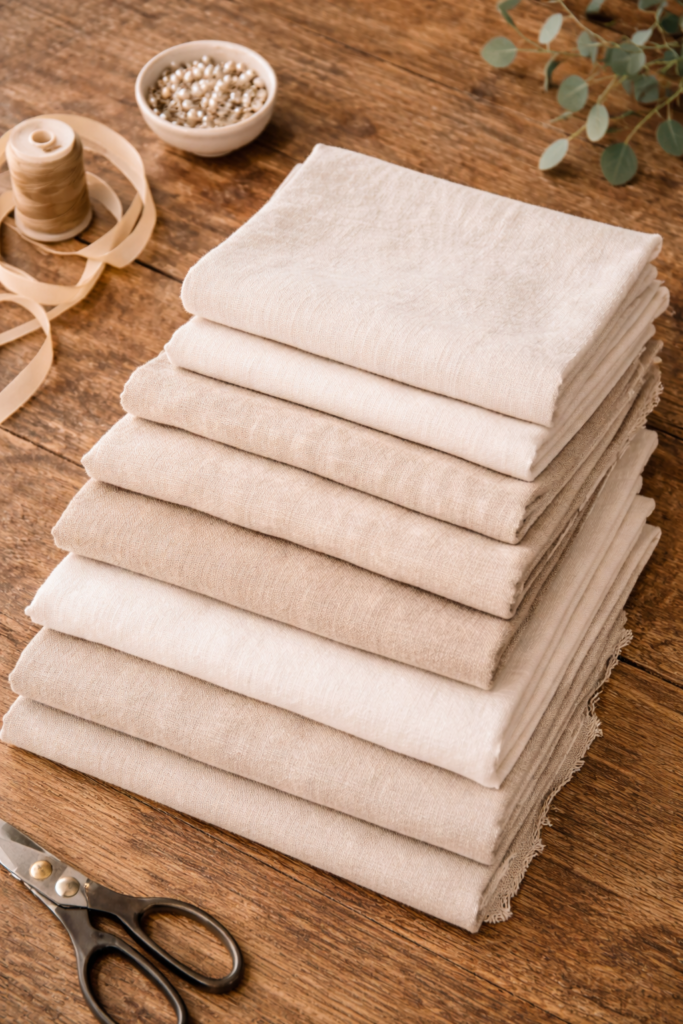
    1. Linen (and Linen Blends)
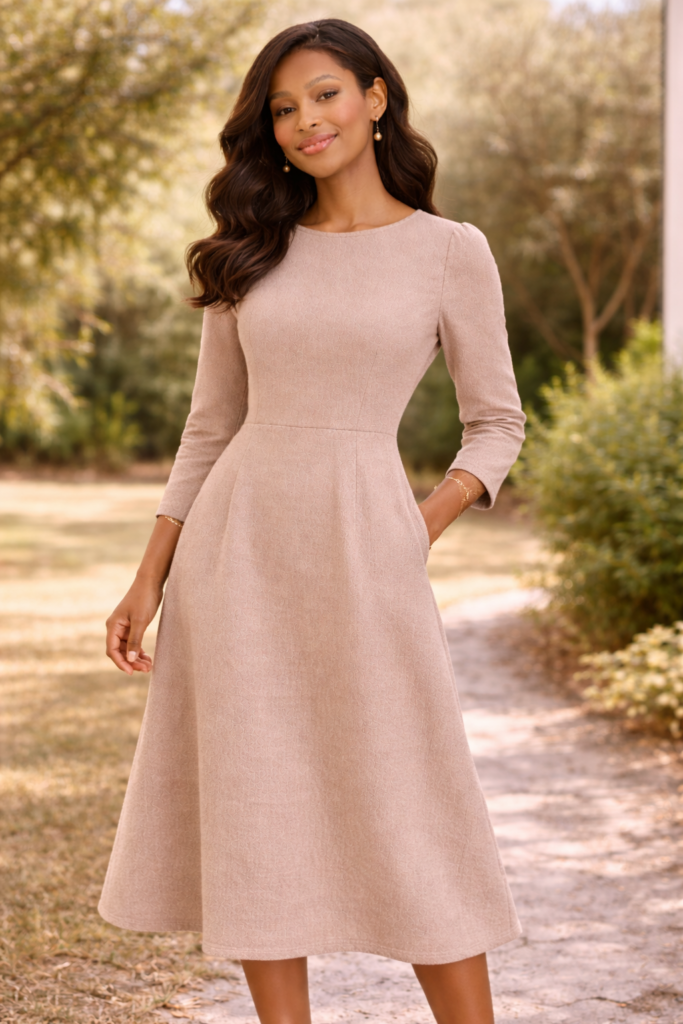
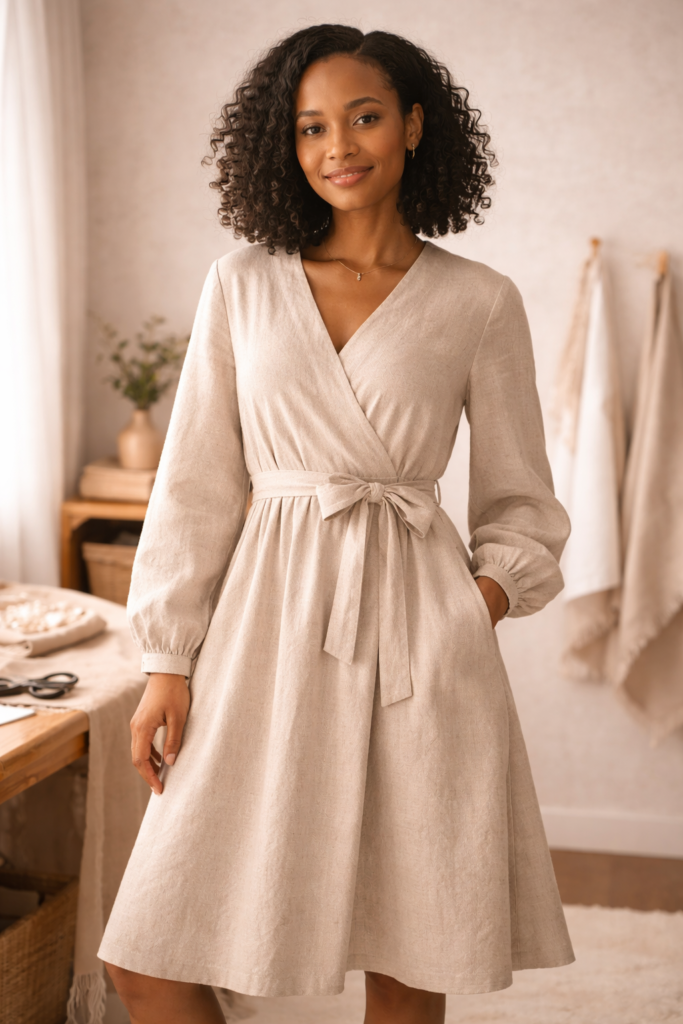
    Linen is one of the most reliable fabrics for achieving a clean, elevated aesthetic.

    Why it works:

    • Natural texture looks high-end
    • Breathable and comfortable
    • Holds shape while still flowing

    Best for:

    • A-line dresses
    • Shirt dresses
    • Minimalist silhouettes

    Beginner tip:
    Linen wrinkles easily — pressing is essential for a polished finish.


    2. Cotton Twill
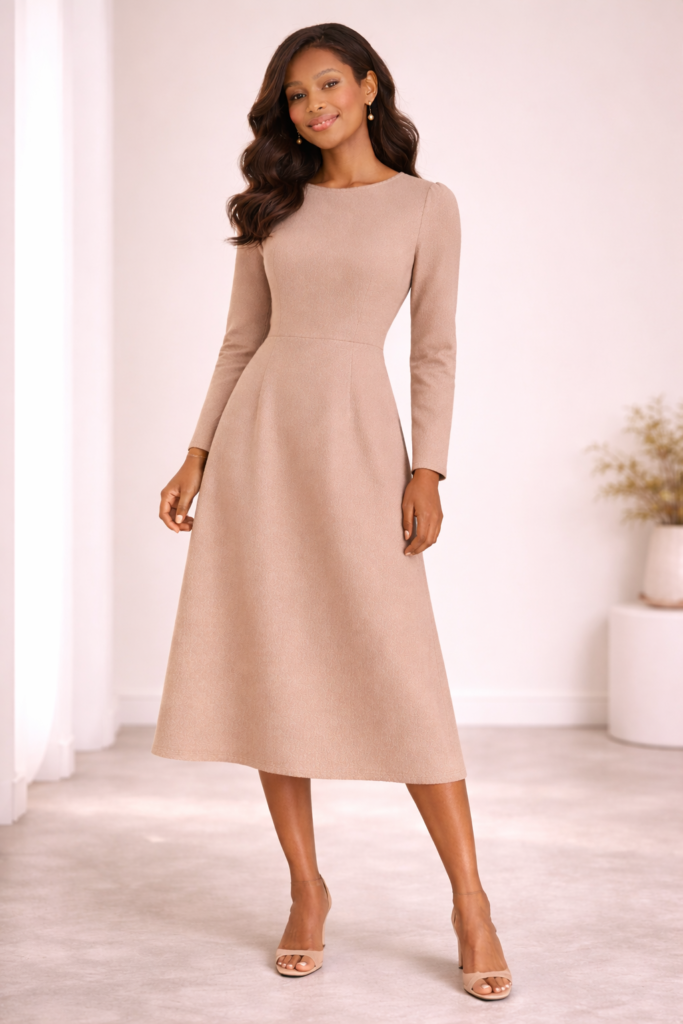
    Cotton twill is a beginner-friendly fabric that instantly adds structure.

    Why it works:

    • Slight weight gives the dress shape
    • Easy to sew and control
    • Durable and forgiving

    Best for:

    • Structured midi dresses
    • Shift dresses
    • Everyday modest wear

    3. Crepe (Soft & Structured)
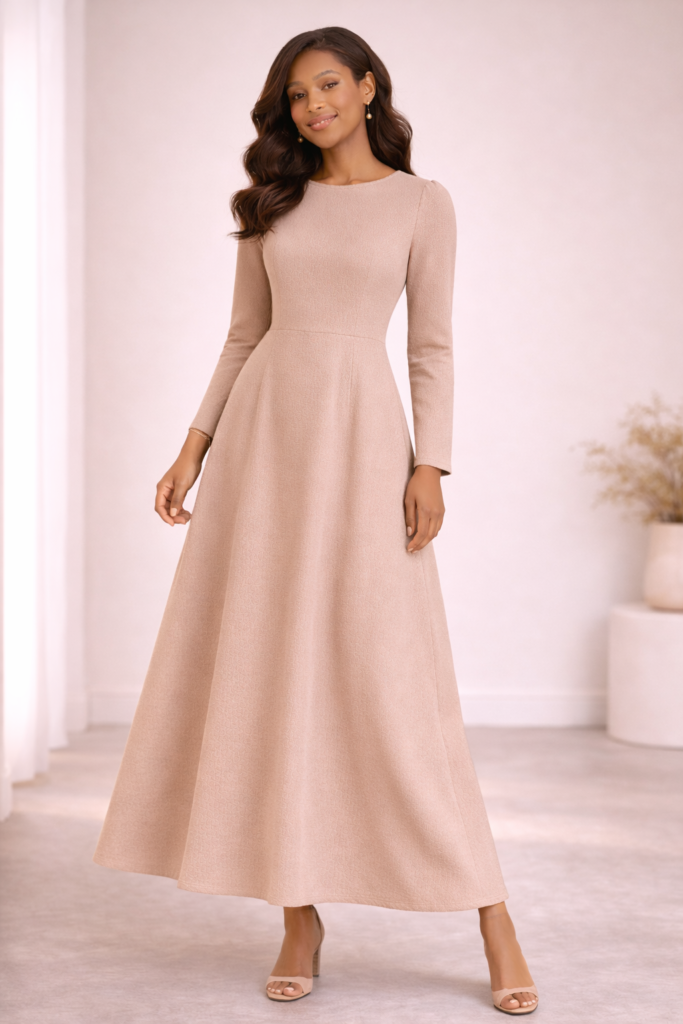
    Crepe offers the perfect balance between softness and polish.

    Why it works:

    • Beautiful drape
    • Subtle texture hides imperfections
    • Looks refined without being stiff

    Best for:

    • Maxi dresses
    • Empire waist styles
    • Flowing modest designs

    4. Rayon (For Movement)
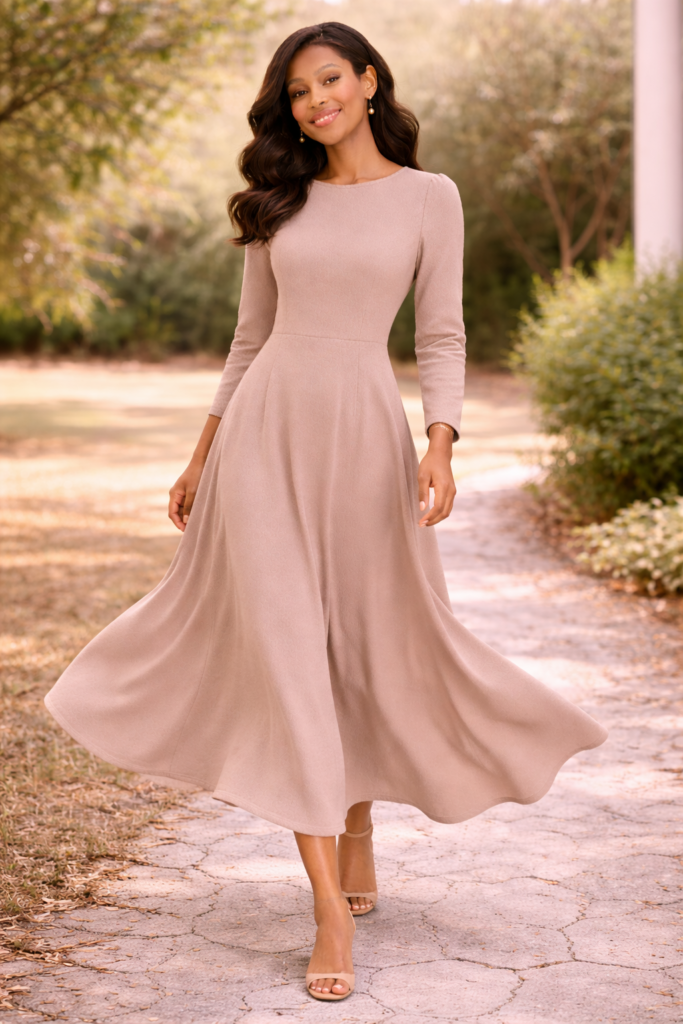
    Rayon is ideal when you want fluid movement without sacrificing elegance.

    Why it works:

    • Drapes beautifully
    • Feels soft and lightweight
    • Creates a graceful silhouette

    Best for:

    • Tiered dresses
    • Wrap-style dresses
    • Relaxed modest looks

    Beginner caution:
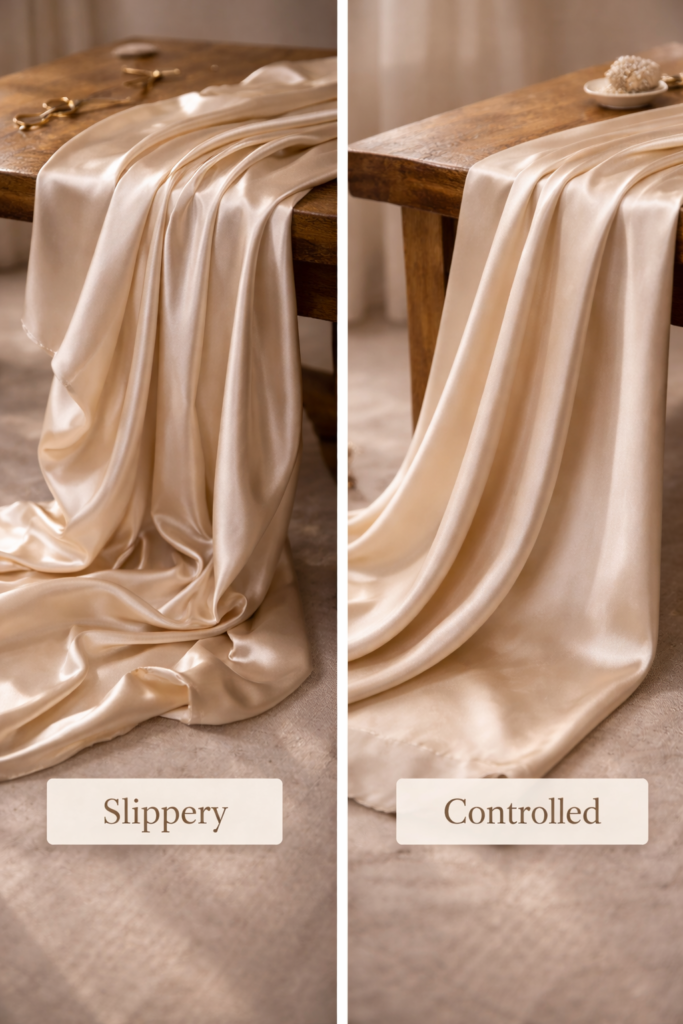
    Rayon can be slippery — use pins and take your time.


    5. Ponte Knit (Structured Stretch)
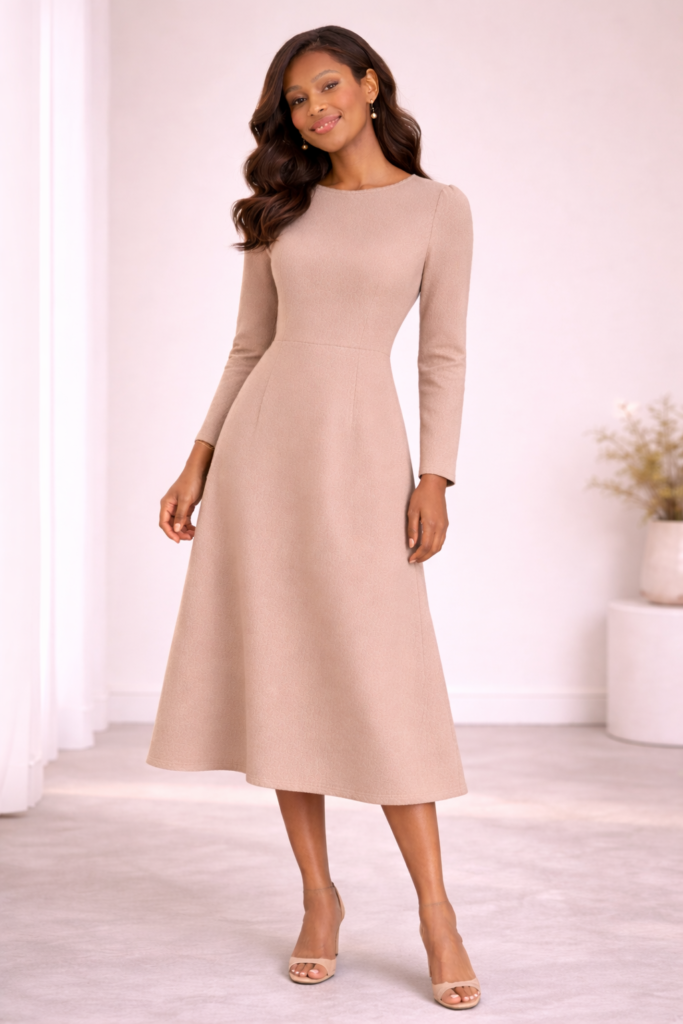
    If you want comfort and structure, ponte knit is a strong choice.

    Why it works:

    • Thick and stable
    • Doesn’t cling too much
    • Easy to wear and move in

    Best for:

    • Fitted modest dresses
    • Workwear styles
    • Minimalist silhouettes

    6. Poplin (Crisp and Clean)
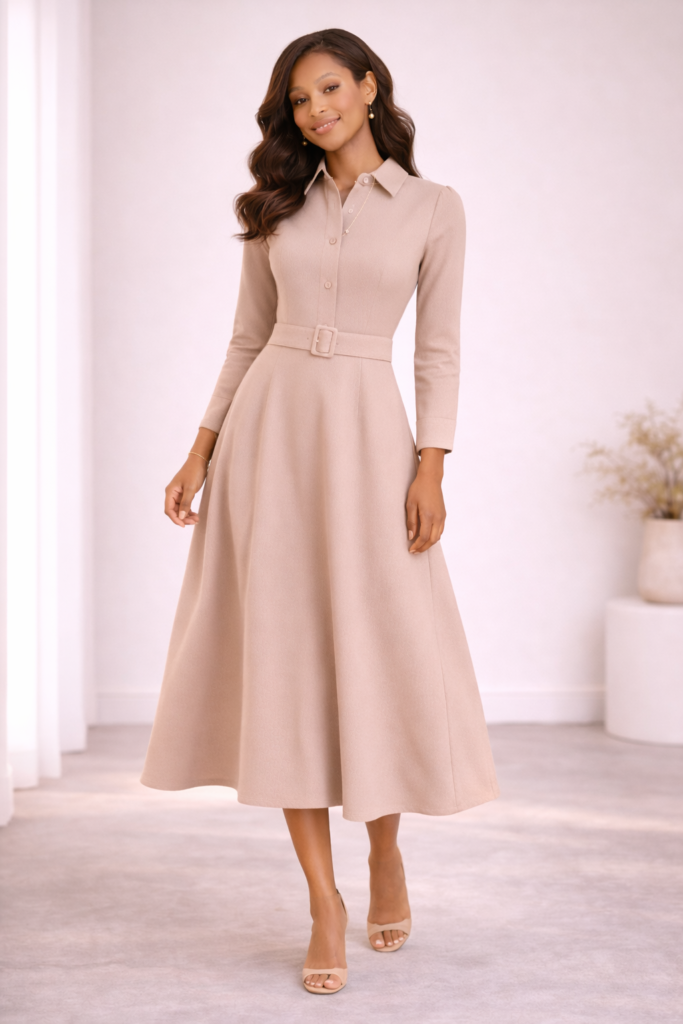
    Poplin gives a sharp, polished look with minimal effort.

    Why it works:

    • Smooth surface
    • Lightweight but structured
    • Holds clean lines well

    Best for:

    • Shirt dresses
    • Summer modest dresses
    • Simple tailored looks

    7. Double Gauze (Soft but Elevated)
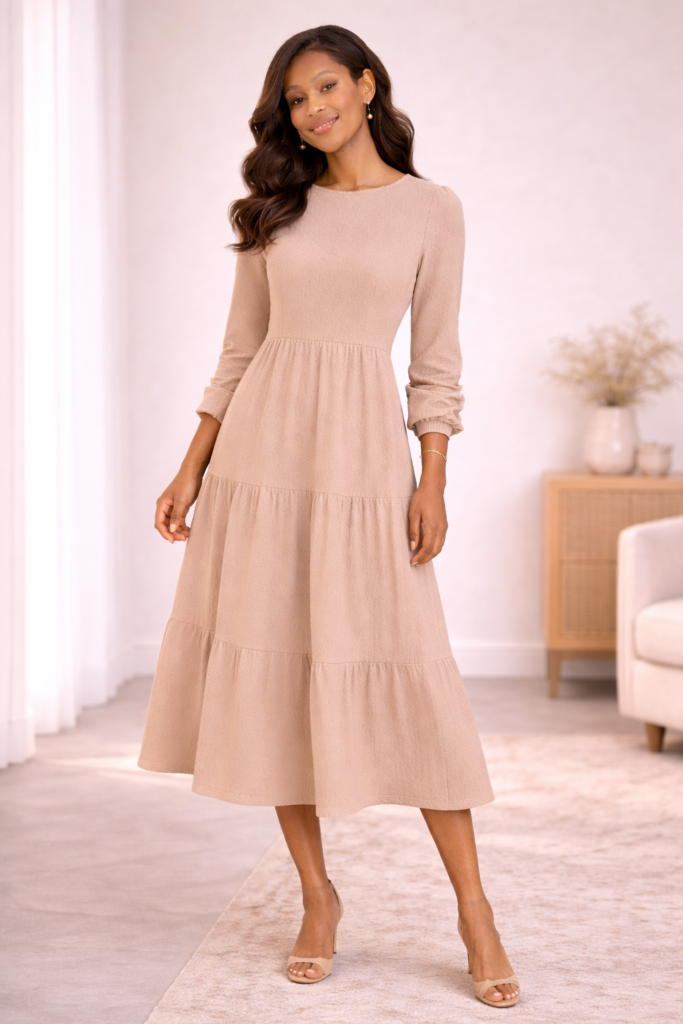
    Double gauze is soft, breathable, and surprisingly elegant when styled correctly.

    Why it works:

    • Natural texture adds dimension
    • Comfortable for everyday wear
    • Works well in relaxed silhouettes

    Best for:

    • Casual modest dresses
    • Tiered styles
    • Loose-fitting designs

    Fabrics to Avoid (If You Want a High-End Look)
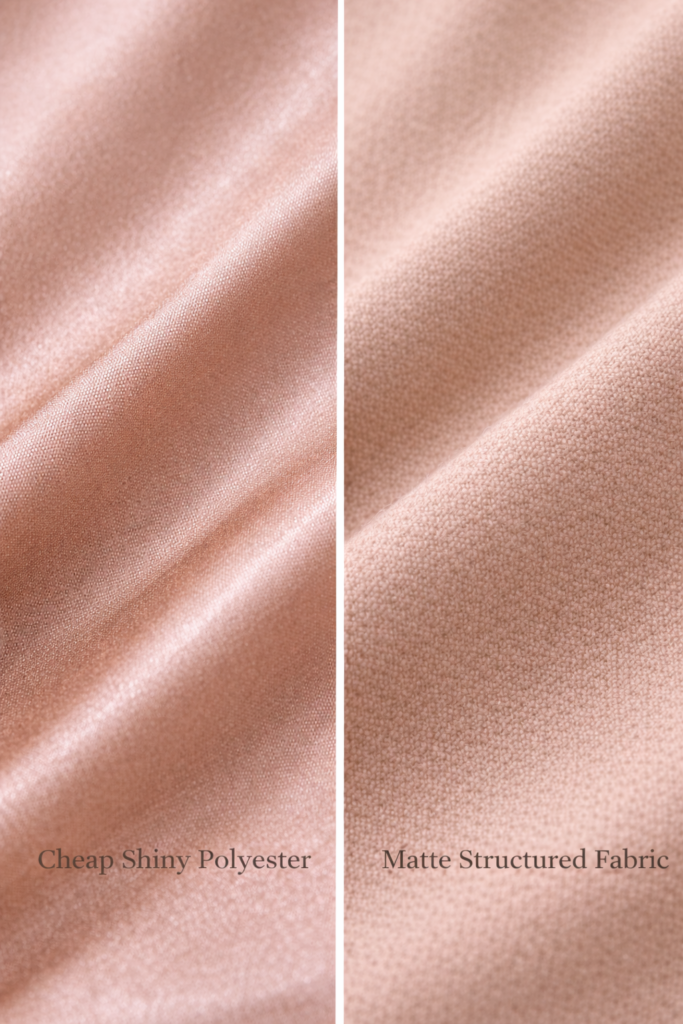
    Some fabrics tend to make dresses look less polished, especially for beginners.

    Avoid:

    • Very thin, flimsy materials
    • Overly shiny polyester
    • Cheap stretch fabrics that cling
    • Fabrics that wrinkle excessively without structure

    These can make your dress look unfinished — even if your sewing is perfect.


    How to Choose the Right Fabric for Your Dress
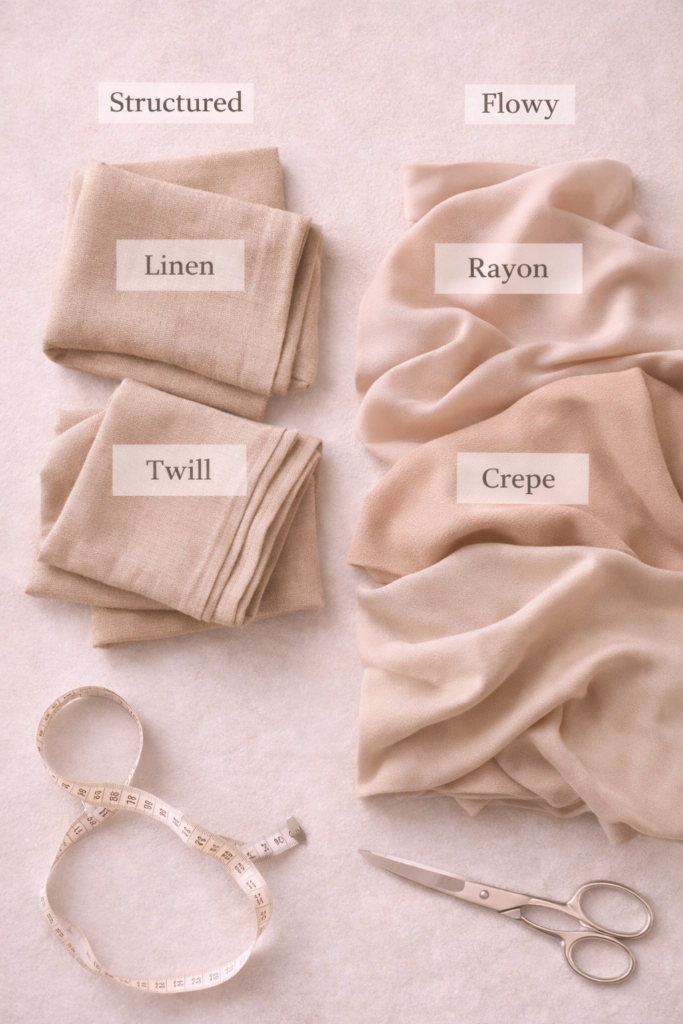
    Use this simple framework:

    For structure → cotton twill, ponte, poplin
    For flow → rayon, crepe
    For balance → linen blends

    Ask yourself:

    • Does this fabric hold shape?
    • Does it drape well?
    • Does it look matte or overly shiny?

    Where to Buy Quality Fabric
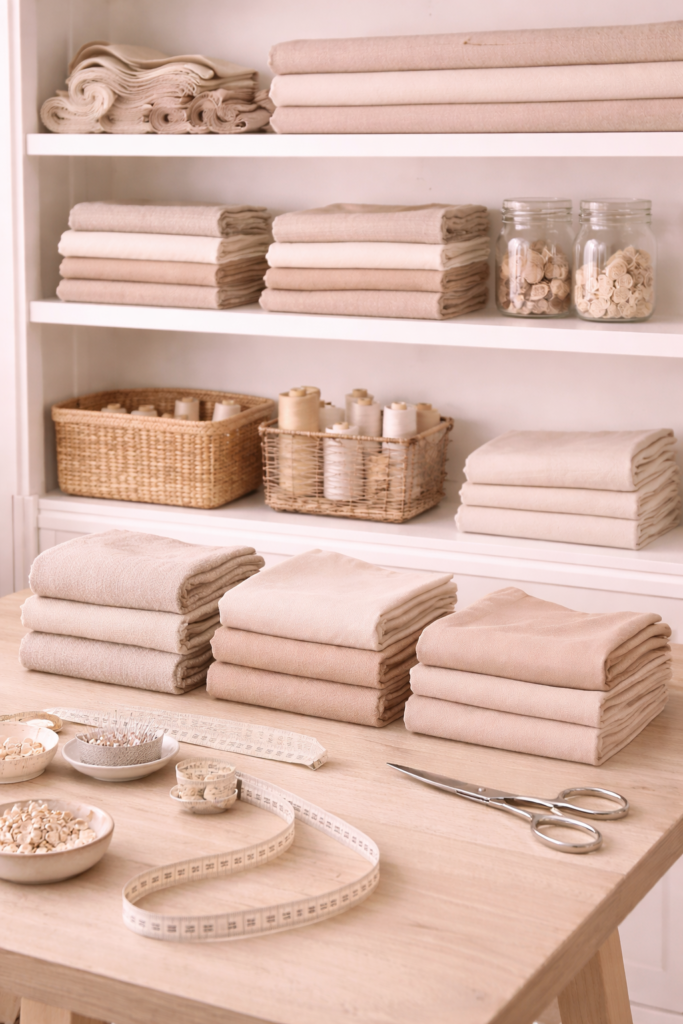
    If you’re looking for reliable sources, retailers like Mood Fabrics and Joann offer a wide range of beginner-friendly options that still look elevated.

    Focus on quality over quantity — one great fabric is better than several low-quality ones.


    Common Fabric Mistakes Beginners Make
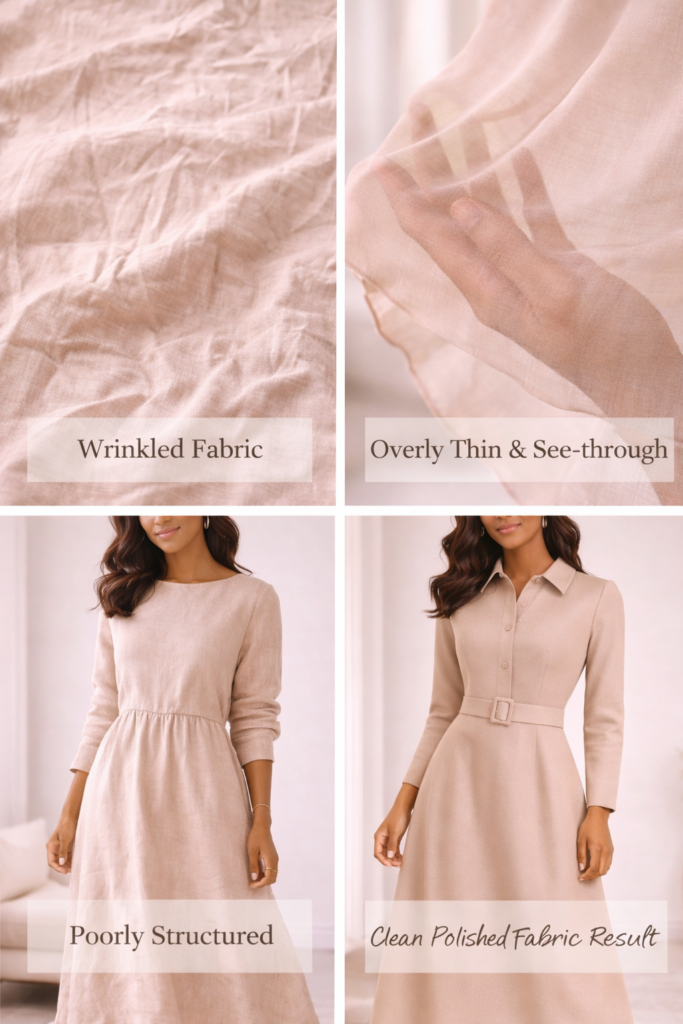
    Avoid these to keep your dresses looking polished:

    • Choosing fabric based only on price
    • Ignoring weight and drape
    • Using the wrong fabric for the pattern
    • Skipping pre-washing
    • Not testing fabric before sewing

    Final Takeaway
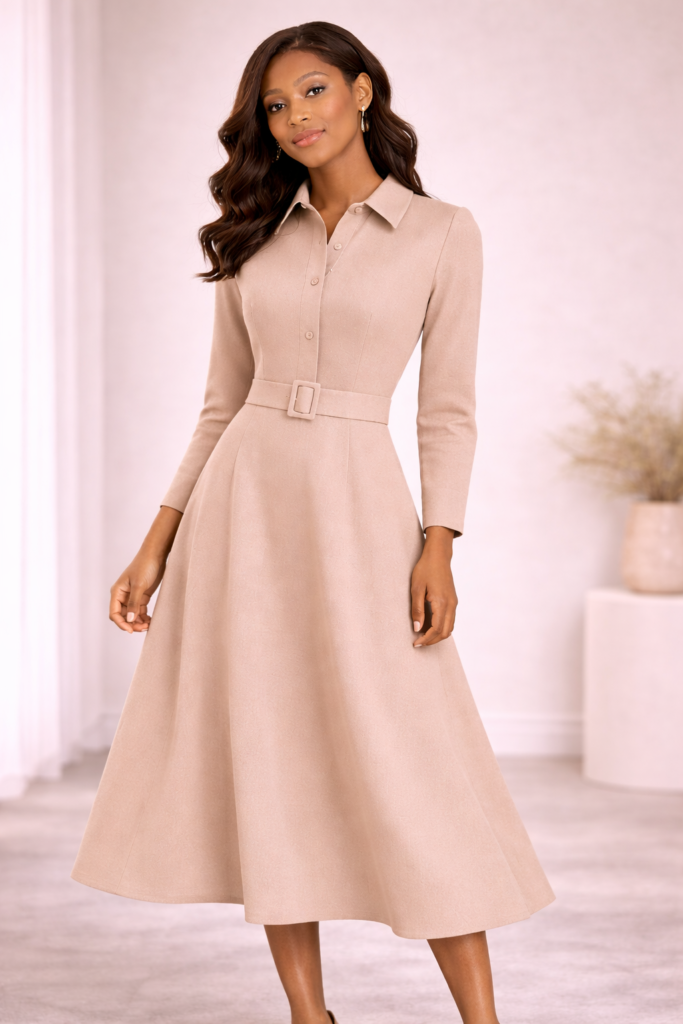
    Fabric is the foundation of your dress. It determines how your garment looks, feels, and moves.

    If you want your modest dresses to look high-end, focus on structure, texture, and drape. Pair the right fabric with a simple pattern, and you’ll create pieces that look polished, intentional, and elevated.


    Next Step

    Now that you know which fabrics to use, the next move is learning how to style one dress multiple ways — turning a single piece into a full wardrobe.
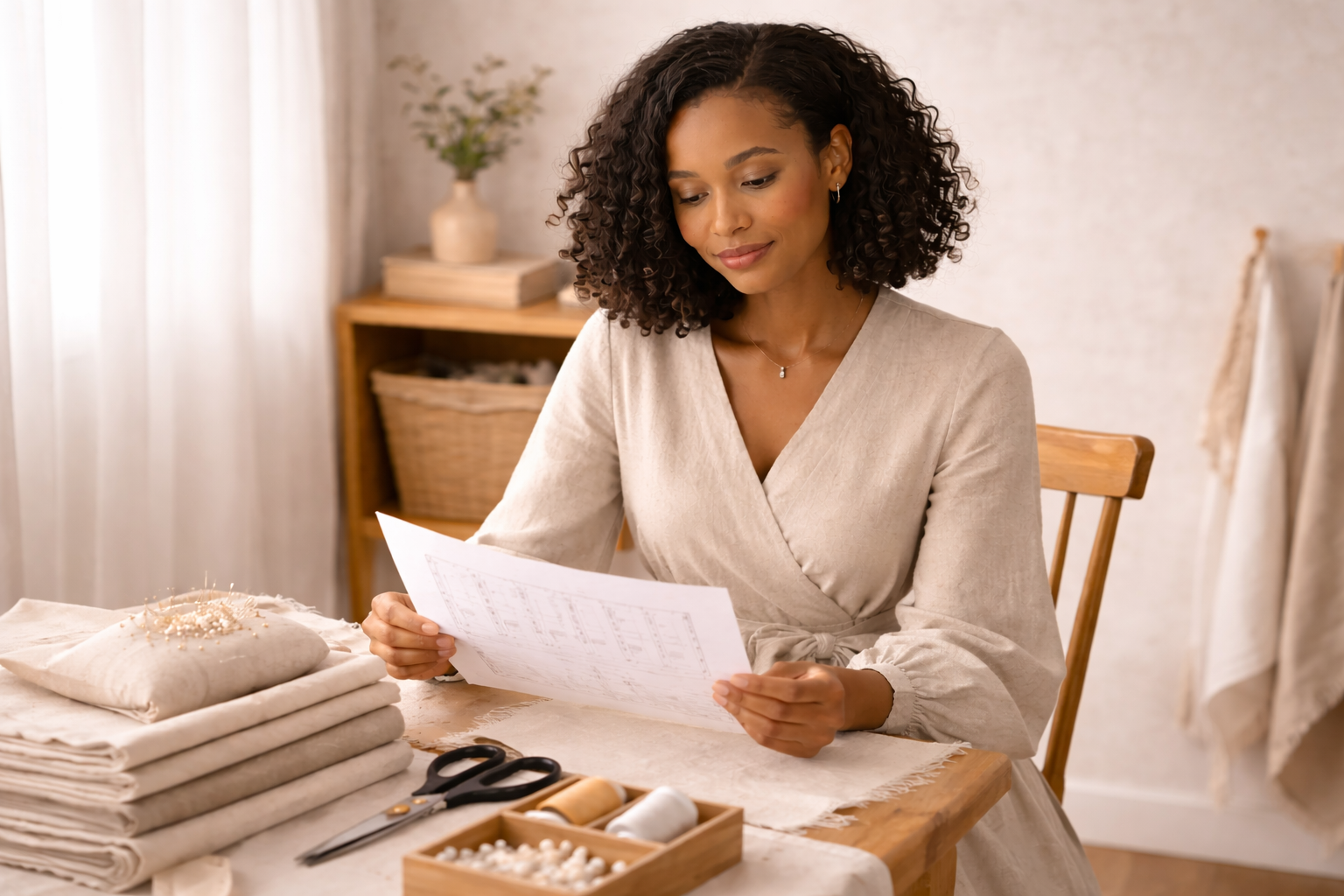
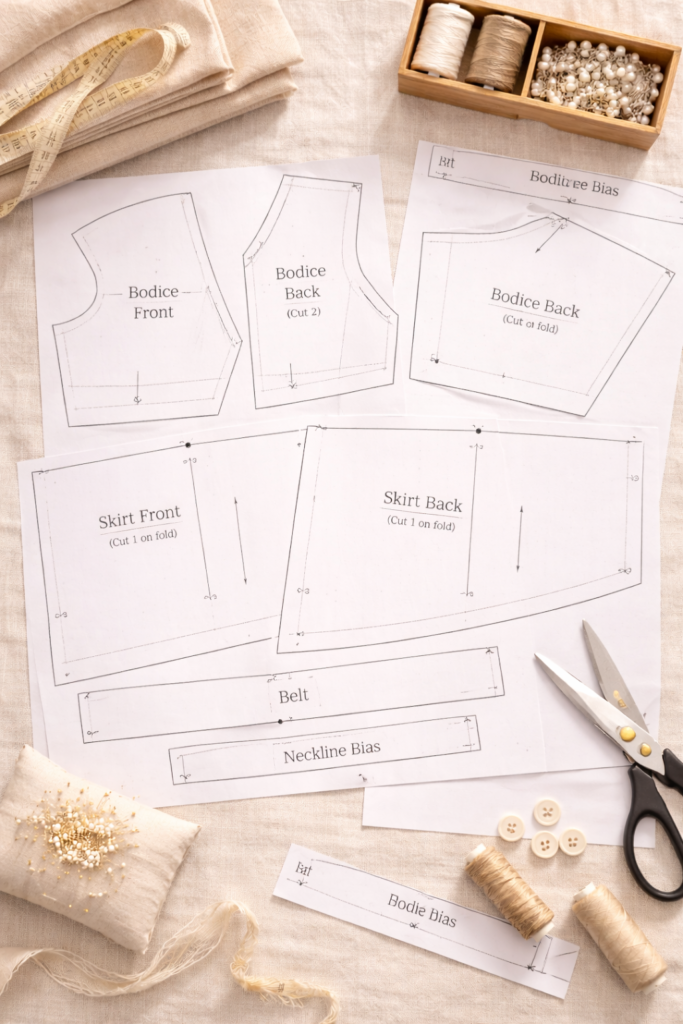
  • How to Read a Sewing Pattern (Beginner Friendly Guide)

    How to Read a Sewing Pattern (Beginner Friendly Guide)

    If you’ve ever opened a sewing pattern and felt instantly overwhelmed, you’re not alone.

    Patterns can look confusing, technical, and even intimidating at first glance. But once you understand how they work, everything begins to click—and your confidence grows quickly.

    This guide breaks everything down in a simple, beginner-friendly way so you can go from confused to confident.

    What Is a Sewing Pattern?

    How to Read a Sewing Pattern

    A sewing pattern is your blueprint. It shows you exactly how to turn fabric into a finished garment.

    Most patterns include:

    • Pattern pieces (the shapes you cut out)
    • Step-by-step instructions
    • Markings and symbols
    • Fabric recommendations

    Think of it like a roadmap: if you follow it correctly, you’ll get to your final result much faster and with fewer mistakes.

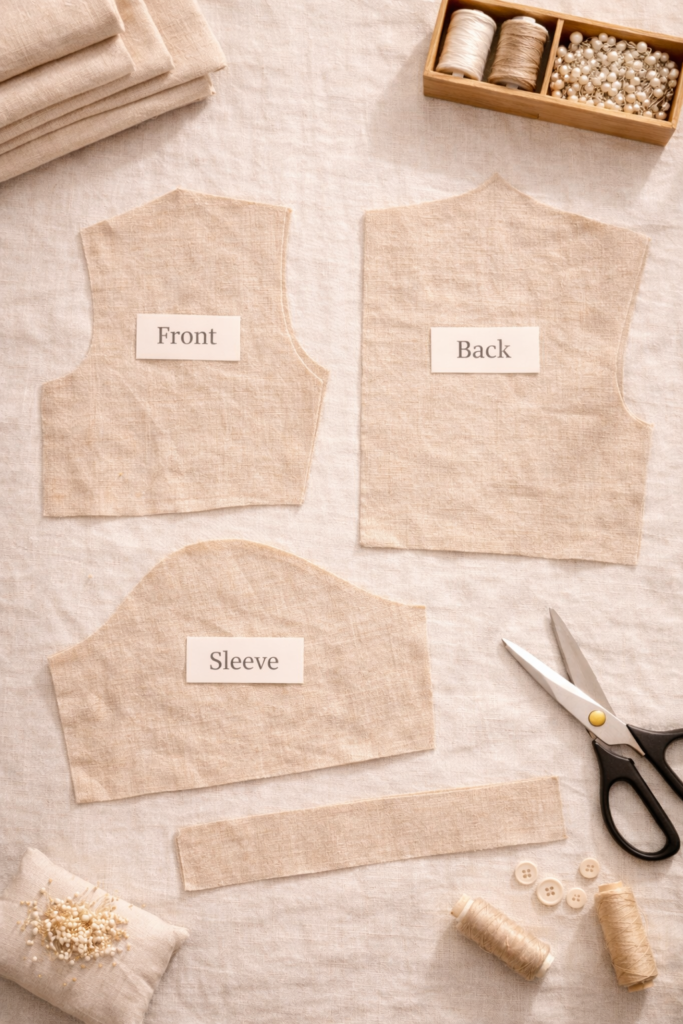
    Understanding Pattern Pieces

    How to Read a Sewing Pattern

    Each pattern piece represents a section of your garment.

    • Front bodice
    • Back bodice
    • Sleeves
    • Skirt panels

    Pro Tip: Before cutting anything, take a moment to identify each piece and understand where it belongs.

    Beginner Mistake: Cutting the wrong size or forgetting to cut mirrored pieces. Always check if the pattern says “cut 2” or “cut on fold.”

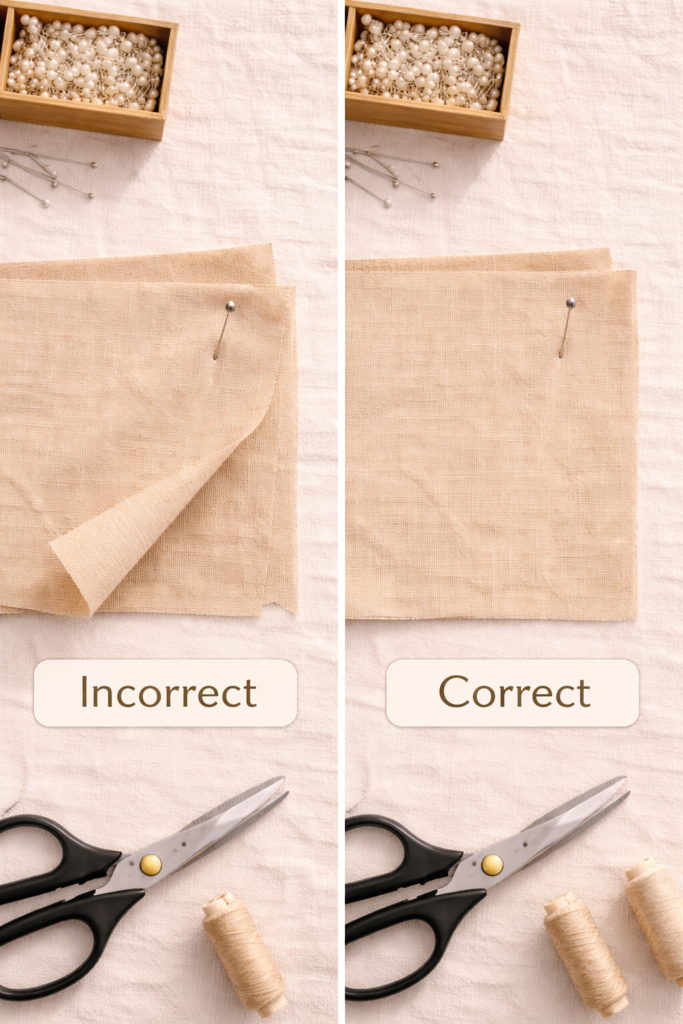
    Understanding “Cut on Fold”

    This is one of the most common areas beginners get confused.

    When a pattern says “cut on fold”, it means:

    • You fold your fabric in half
    • You place the pattern edge along the fold
    • You cut around the rest of the piece

    This creates a perfectly symmetrical piece when unfolded.

    Tip: Always align the fold edge precisely—misalignment can distort your entire garment.

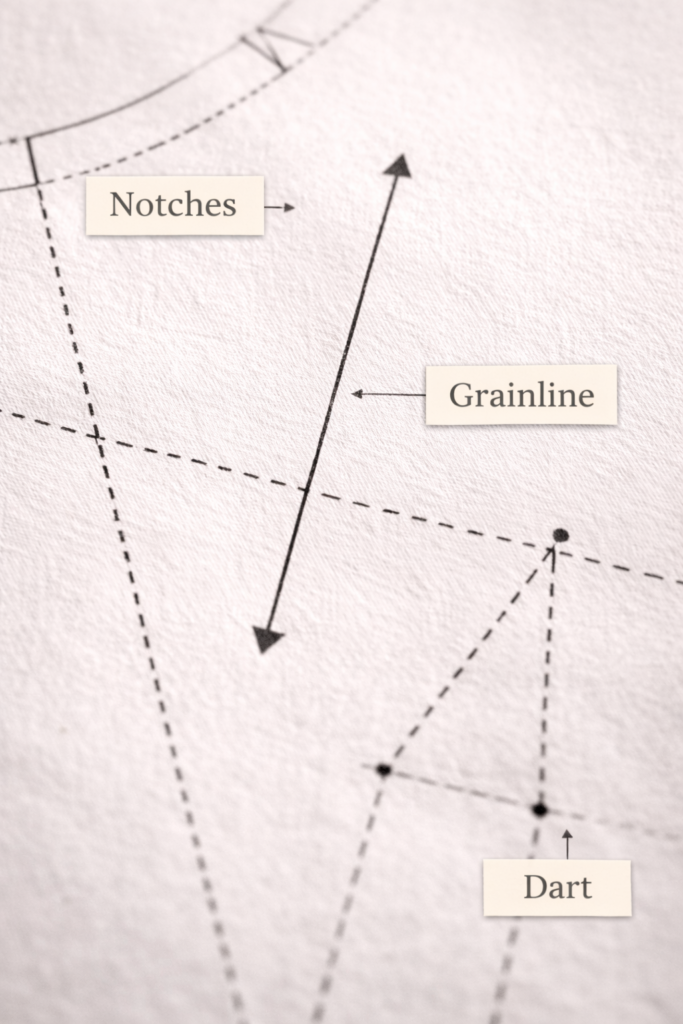
    Key Pattern Symbols You Must Know

    How to Read a Sewing Pattern

    These markings may look small, but they are extremely important.

    • Grainline: shows how to align fabric for proper drape
    • Notches: small marks that help match pieces together
    • Darts: folds that shape the garment to your body
    • Fold Line: indicates where fabric should be folded

    Pro Tip: Transfer markings to your fabric using chalk or pins. Skipping this step can make sewing much harder later.

    How to Choose the Right Size

    Sewing sizes are different from store sizes.

    Instead of guessing, always:

    • Measure your bust, waist, and hips
    • Compare your measurements to the pattern chart
    • Select based on measurements—not assumptions

    Tip: If you’re between sizes, choose the larger one. It’s easier to take fabric in than let it out.

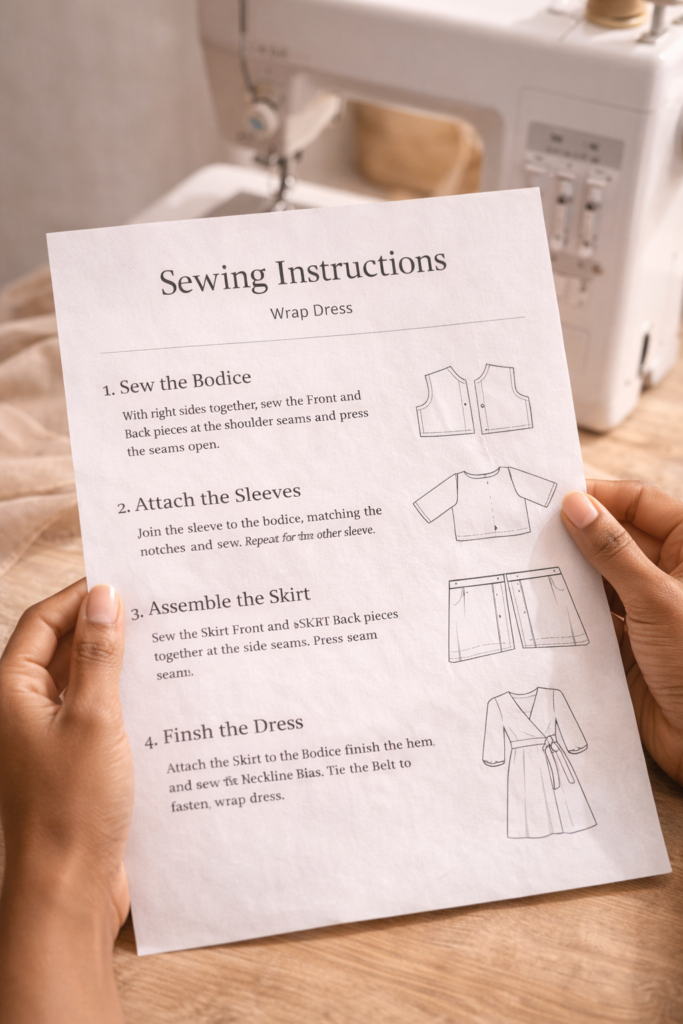
    Reading the Instructions (The Right Way)

    Instructions are often skipped—but they are one of your most valuable tools.

    • Read the entire pattern before starting
    • Understand the sequence of steps
    • Take note of unfamiliar terms

    Pro Tip: Read once before cutting, then again before sewing. This prevents costly mistakes.

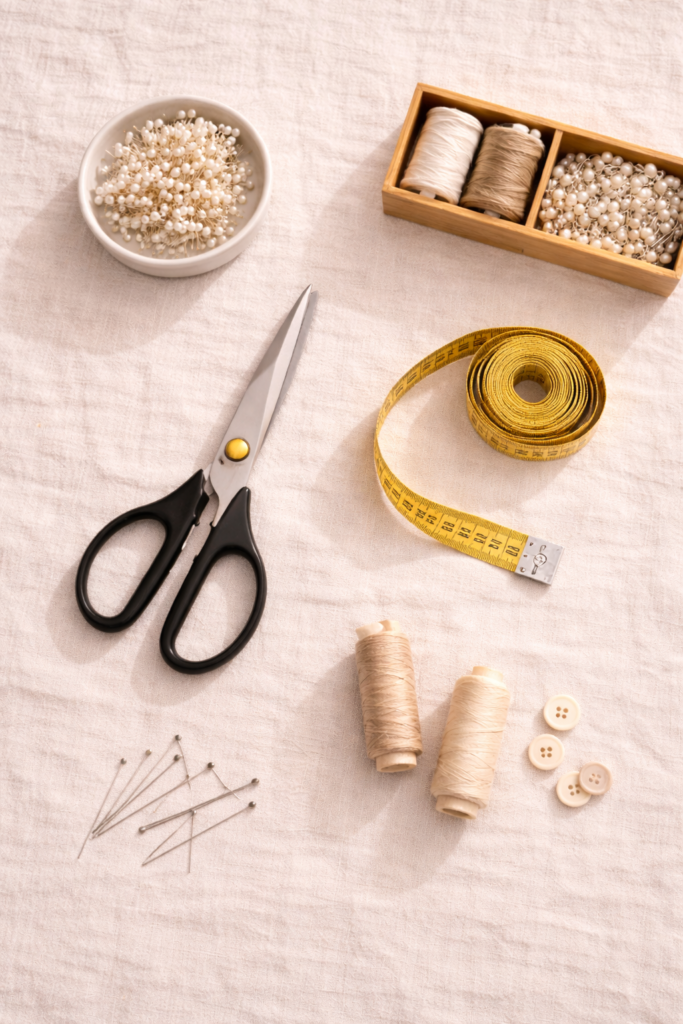
    Tools That Make Pattern Reading Easier

    Having the right tools simplifies the process dramatically.

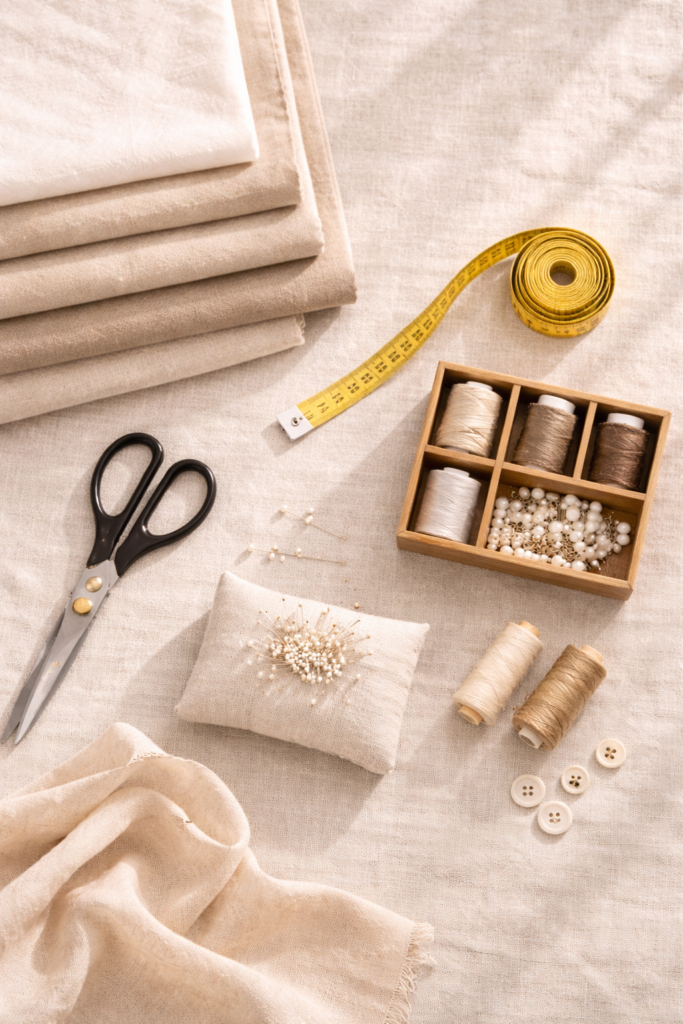
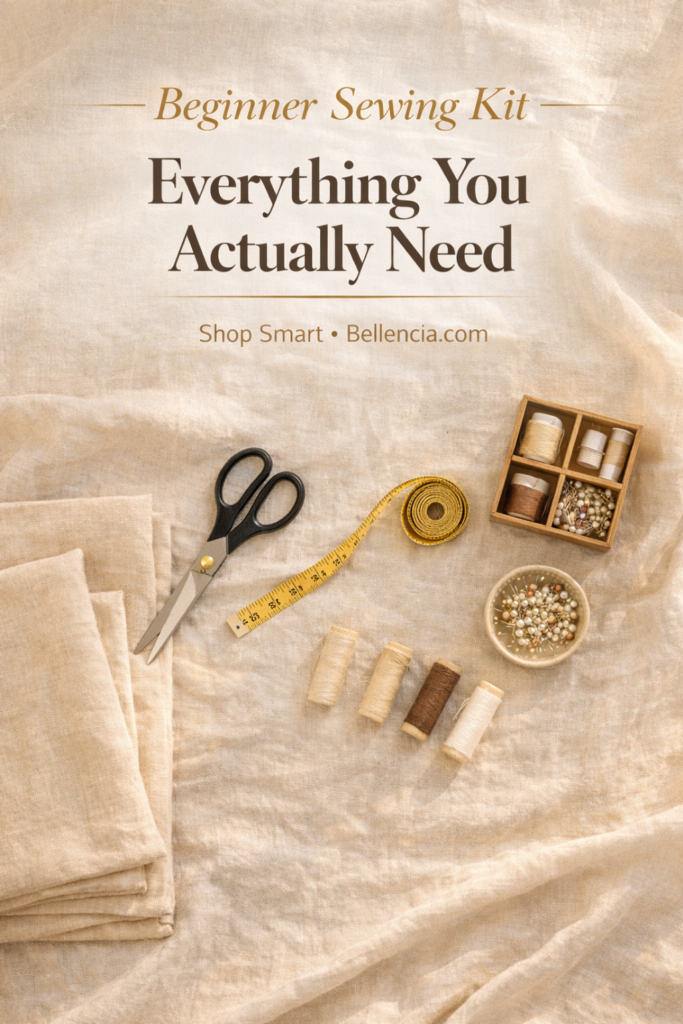
    • Measuring tape for accuracy
    • Sharp fabric scissors for clean cuts
    • Pins to keep pieces aligned

    👉 Get essentials here: Shop dressmaking kit

    Common Beginner Mistakes (And Fixes)

    Skipping measurements
    Fix: Always measure before choosing a size.

    Ignoring grainline
    Fix: Align fabric correctly to avoid twisting or distortion.

    Cutting too quickly
    Fix: Slow down and double-check placement before cutting.

    Not marking fabric
    Fix: Transfer notches and darts to guide your sewing.

    Pro Tips That Instantly Improve Your Results

    • Use pattern weights instead of holding pieces by hand
    • Cut on a flat, stable surface
    • Keep pattern pieces organized as you work
    • Label pieces after cutting to avoid confusion
    • Always double-check before sewing each step

    These habits create cleaner, more professional results.

    Building Confidence with Patterns

    At first, patterns may feel like a lot—but with each project, they become easier to understand.

    The key is consistency. The more you practice, the more natural it becomes.

    Start simple, take your time, and trust your progress.

    Final Thoughts

    Reading a sewing pattern is a skill—and like any skill, it improves with practice.

    Once you understand how patterns work, you unlock the ability to create your own garments with confidence and intention.

    Take your time, follow each step carefully, and enjoy the process.

    Affiliate Disclosure: This post may contain affiliate links. If you purchase through these links, we may earn a small commission at no extra cost to you.

  • How to Choose the Right Fabric for Your First Dress (Beginner Guide)

    How to Choose the Right Fabric for Your First Dress (Beginner Guide)

    One of the biggest mistakes beginners make isn’t in the sewing—it’s in the fabric.

    You can follow every step correctly, but if your fabric is difficult to work with, your final result will still feel off.

    The good news? Once you understand a few key things, choosing fabric becomes simple—and your results improve instantly.

    Why Fabric Choice Matters

    How to Choose the Right Fabric

    Fabric determines how your dress will:

    • fit on the body
    • hold its shape
    • move and drape
    • look when finished

    Even the same pattern can look completely different depending on the fabric you choose.

    Best Fabrics for Beginners

    How to Choose the Right Fabric

    1. Cotton

    Cotton is one of the easiest fabrics to work with.

    • doesn’t slip while sewing
    • holds its shape well
    • easy to cut and measure

    👉 Explore beginner-friendly options: Shop fabric options

    2. Linen Blends

    Linen blends give a more elevated, structured look while still being manageable.

    Tip: Pure linen wrinkles easily—blends are more forgiving.

    3. Medium-Weight Fabrics

    Look for fabrics that aren’t too thin or too thick.

    • too thin = hard to control
    • too thick = difficult to sew

    Fabrics to Avoid as a Beginner

    Silk & Satin

    Beautiful—but very slippery and hard to control.

    Stretch Fabrics

    These require special techniques and can easily distort.

    Heavy Denim

    Too thick for most beginner machines and difficult to sew cleanly.

    How to Test Fabric Before You Buy

    How to Choose the Right Fabric

    Before committing to a fabric, try this:

    • Hold it up — does it drape or stay stiff?
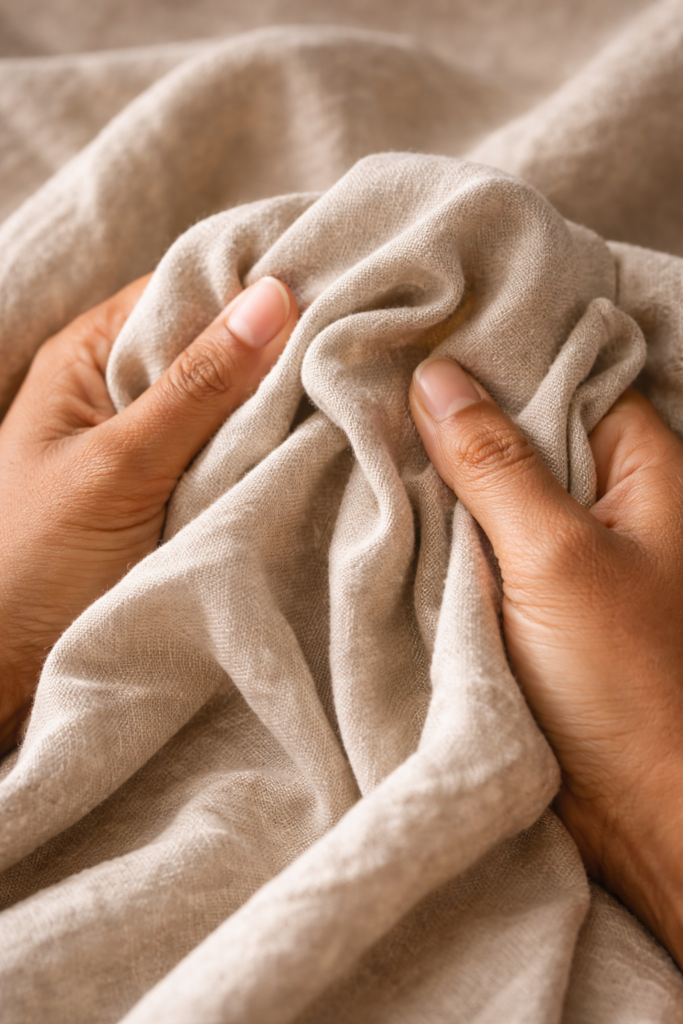
    • Scrunch it — does it wrinkle badly?
    • Fold it — does it hold structure?

    These small checks tell you how the fabric will behave when sewn.

    Pro Tips That Make a Huge Difference

    • Always pre-wash your fabric before sewing
    • Use matching thread for a cleaner finish
    • Cut fabric on a flat, stable surface
    • Use sharp scissors for clean edges

    👉 Get essential tools here: Shop dressmaking kit

    Common Beginner Mistakes

    Choosing fabric based on looks only
    Always consider how it behaves, not just how it looks.

    Skipping pre-wash
    This can cause shrinking after your piece is finished.

    Ignoring pattern recommendations
    Patterns are designed with certain fabrics in mind.

    Final Thoughts

    Choosing the right fabric is one of the fastest ways to improve your sewing results.

    When you start with beginner-friendly materials, everything becomes easier—and your finished pieces look more polished and intentional.

    Affiliate Disclosure: This post may contain affiliate links. If you purchase through these links, we may earn a small commission at no extra cost to you.

  • Beginner Sewing Tools You Actually Need (And What to Skip)

    Beginner Sewing Tools You Actually Need (And What to Skip)

    Starting your sewing journey can feel overwhelming—especially when you’re faced with long lists of tools you “need” before you even begin.

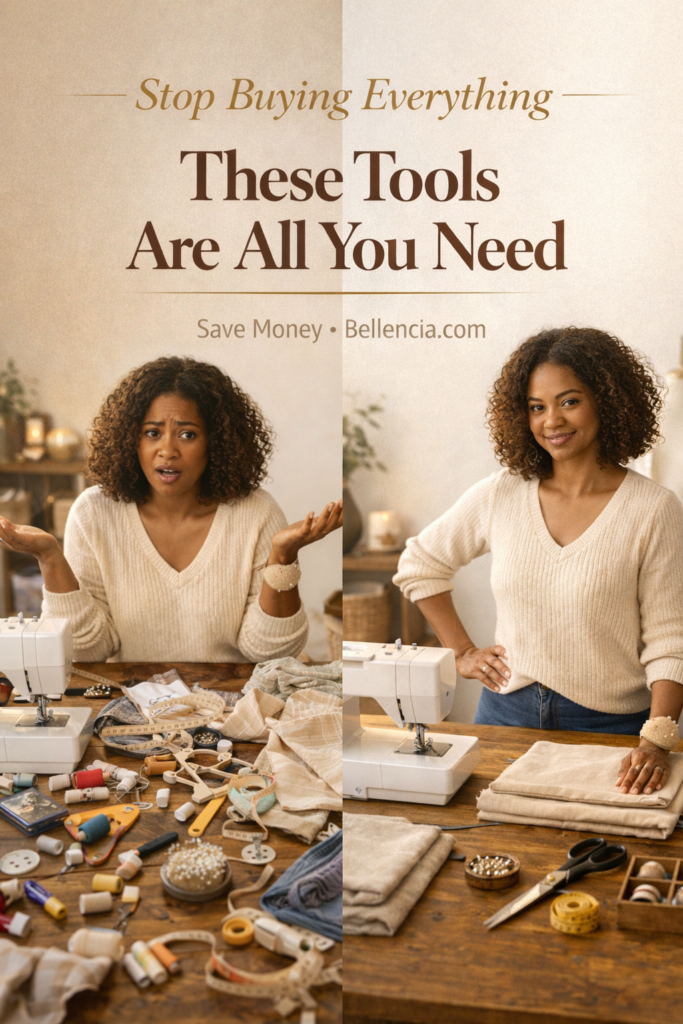
    The truth is, you don’t need everything.

    You just need the right tools—and more importantly, the right approach—to start creating with confidence.

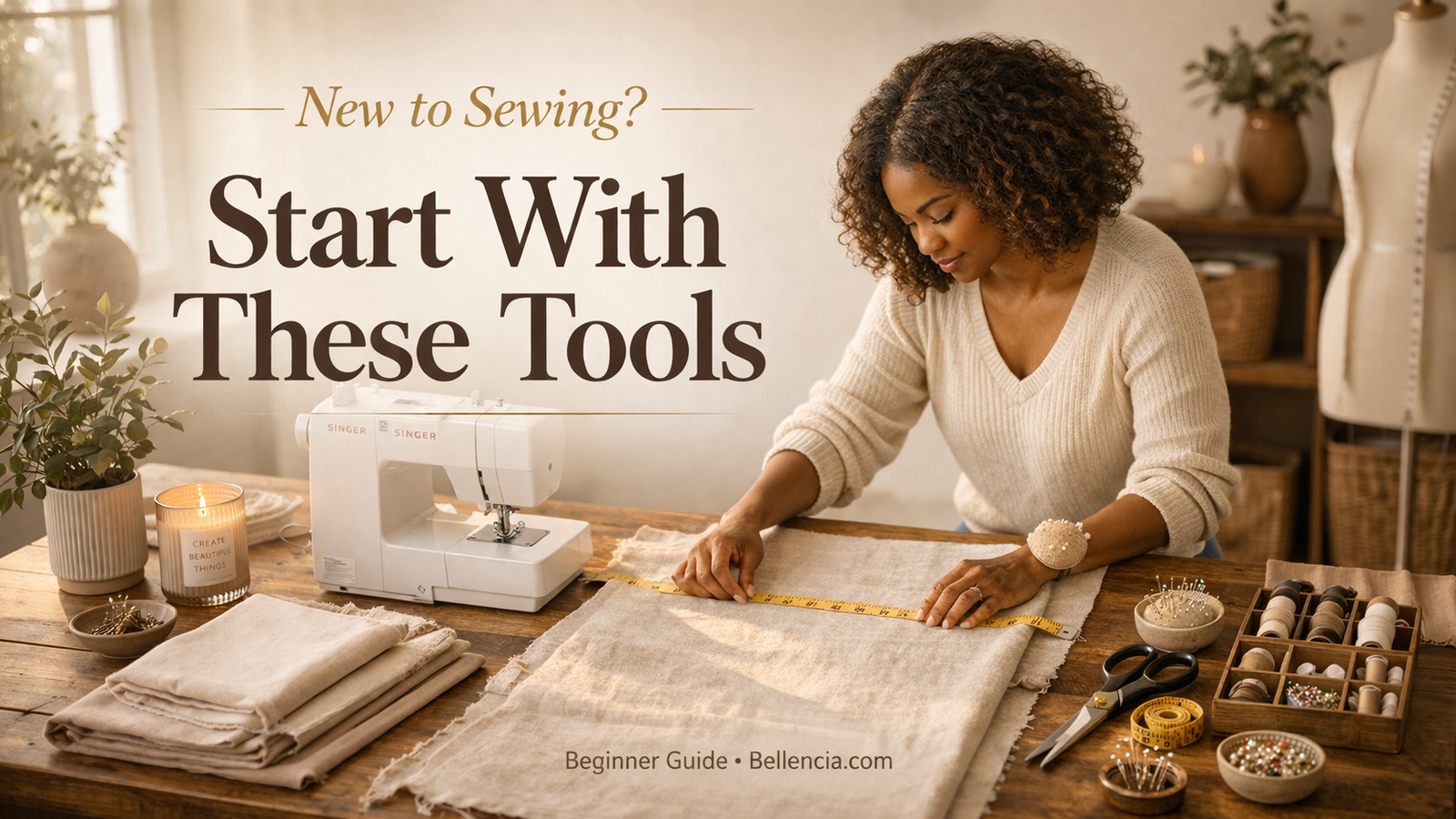
    This guide will walk you through the essentials, what to skip, and the small tips that make a huge difference in how your final pieces turn out.

    The Core Tools Every Beginner Needs

    Beginner Sewing Tools You Actually Need (And What to Skip)

    1. A Reliable Sewing Machine

    Your sewing machine is your foundation. It doesn’t need to be expensive—it needs to be consistent and beginner-friendly.

    • Look for simple stitch options
    • Avoid overly complex machines at the beginning
    • Focus on smooth, even stitching

    👉 Recommended option: Shop beginner sewing machine

    Pro Tip: Always test your stitch on scrap fabric before starting your project. This prevents uneven seams and wasted fabric.

    2. Fabric Scissors (Your Secret Weapon)

    Fabric scissors are non-negotiable.

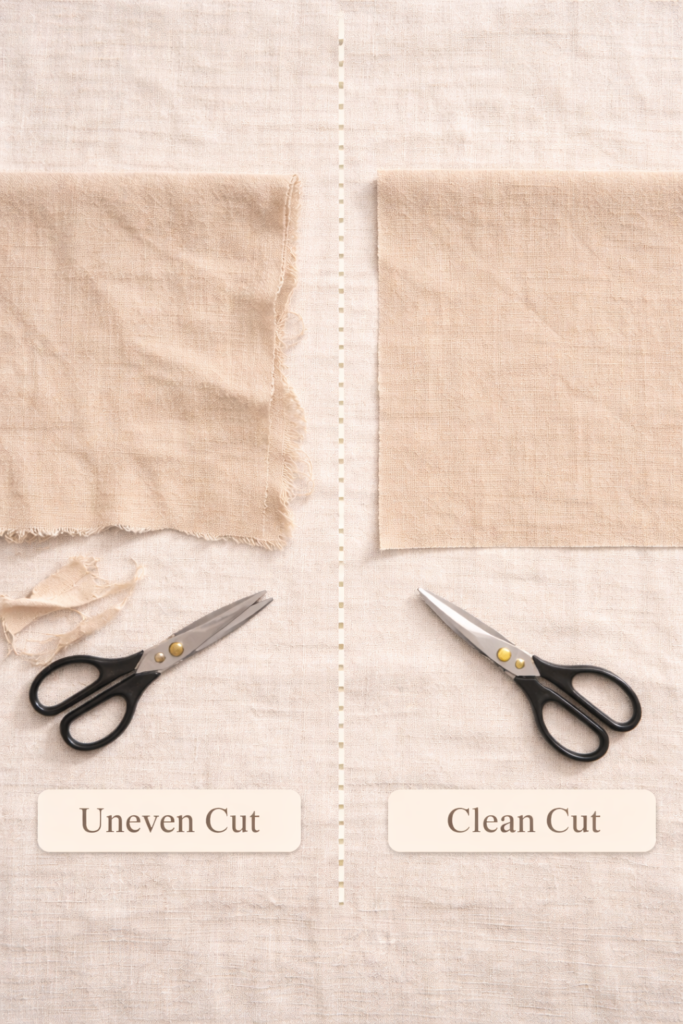
    Using dull or multipurpose scissors can cause jagged edges, which leads to poor sewing results.

    👉 Recommended: Shop dressmaking essentials kit

    Pro Tip: Never use your fabric scissors on paper. Even once can dull the blade significantly.

    3. Measuring Tape

    Good sewing is all about accuracy.

    • Measure twice, cut once
    • Always recheck measurements before cutting fabric

    👉 Included here: Shop dressmaking kit

    Pro Tip: Write your measurements down. Guessing leads to poor fit and wasted fabric.

    4. Pins & Seam Ripper

    These two tools will save you again and again.

    • Pins keep your fabric aligned
    • Seam rippers fix mistakes cleanly

    👉 Get both here: Shop essentials kit

    Pro Tip: Place pins perpendicular to the seam—it makes sewing smoother and safer.

    5. The Right Fabric

    Fabric choice is one of the biggest factors in how “professional” your final piece looks.

    • Start with medium-weight fabrics
    • Avoid slippery or stretchy fabrics at first
    • Choose materials that hold structure

    👉 Recommended fabrics: Shop fabric options

    Pro Tip: Wash and dry your fabric before sewing. This prevents shrinking after your piece is finished.

    Common Beginner Mistakes (And How to Fix Them)

    Beginner Sewing Tools You Actually Need (And What to Skip)

    Skipping the Iron

    Pressing your seams is what separates beginner work from polished results.

    Fix: Press every seam as you go. It makes your final piece look professionally made.

    Rushing Through Cuts

    Uneven cuts = uneven sewing.

    Fix: Take your time cutting fabric. This step affects everything else.

    Using the Wrong Needle

    Different fabrics need different needles.

    Fix: Use universal needles for most beginner fabrics and change them regularly.

    Not Practicing First

    Jumping straight into your project can lead to frustration.

    Fix: Practice stitches on scrap fabric before sewing your actual piece.

    What You Don’t Need (Yet)

    Don’t fall into the trap of overbuying tools you won’t use right away.

    • Advanced presser feet
    • Specialty rulers
    • Expensive cutting machines

    Focus on mastering the basics first—your skills matter more than your tools.

    Small Tips That Make a Big Difference

    • Always thread your machine with the presser foot up
    • Use matching thread color for a cleaner finish
    • Backstitch at the beginning and end of seams
    • Keep your workspace clean and organized
    • Take breaks—fatigue leads to mistakes

    These small habits elevate your work instantly.

    Final Thoughts

    Sewing is not about having everything—it’s about starting intentionally.

    With just a few essential tools and the right techniques, you can begin creating pieces that feel:

    • elegant
    • intentional
    • beautifully structured

    Every piece you create builds your confidence—and your skill.

    Ready to Start Sewing?

    Start with the right tools, take your time, and trust the process.

    Explore more guides inside MTBM Academy and continue building your sewing foundation.

    Affiliate Disclosure: This post may contain affiliate links. If you purchase through these links, we may earn a small commission at no extra cost to you.